ESCAPE
ANDY SUMMERS, ANTHONY FRIEDKIN, ARTHUR BARRETT, BRIAN C. MOSS, BRIAN PAEPER, CECILIA MINIUCCHI, CHEN HUA, CHERIE BENNER DAVIS, CYNTHIA MINET, DAVID EDDINGTON, DOMENICO LOMUTO, DONNIE MOLLS, DOUG MEYER, ELENA KARENINA, ELLEN FRIEDLANDER, ERIN DUNN, FONJE DEVRE, FRANCESCA BIFULCO, GARY WOOD, GRANT MUDFORD, GREG ROSE, HILARY BAKER, IRENE DE BOER, JEREMY KIDD, JODY ZELLEN, KATHERINE KESEY, KELLY BERG, LAURA BALL, LISA ADAMS, LUCAS REINER, LUIGA MARTELLONI, MICHAEL PIERZYNSKI, NATHAN REDWOOD, PAUL PAIEMENT, PAUL SILKOWSKI, PIERRE LE BLOND, ROBERT DEAN, ROBERT LANDAU, ROBERT MACK, ROD BAER, SENON WILLIAMS, TIM EBNER, WARREN SMITH
July 18 – August 22, 2026
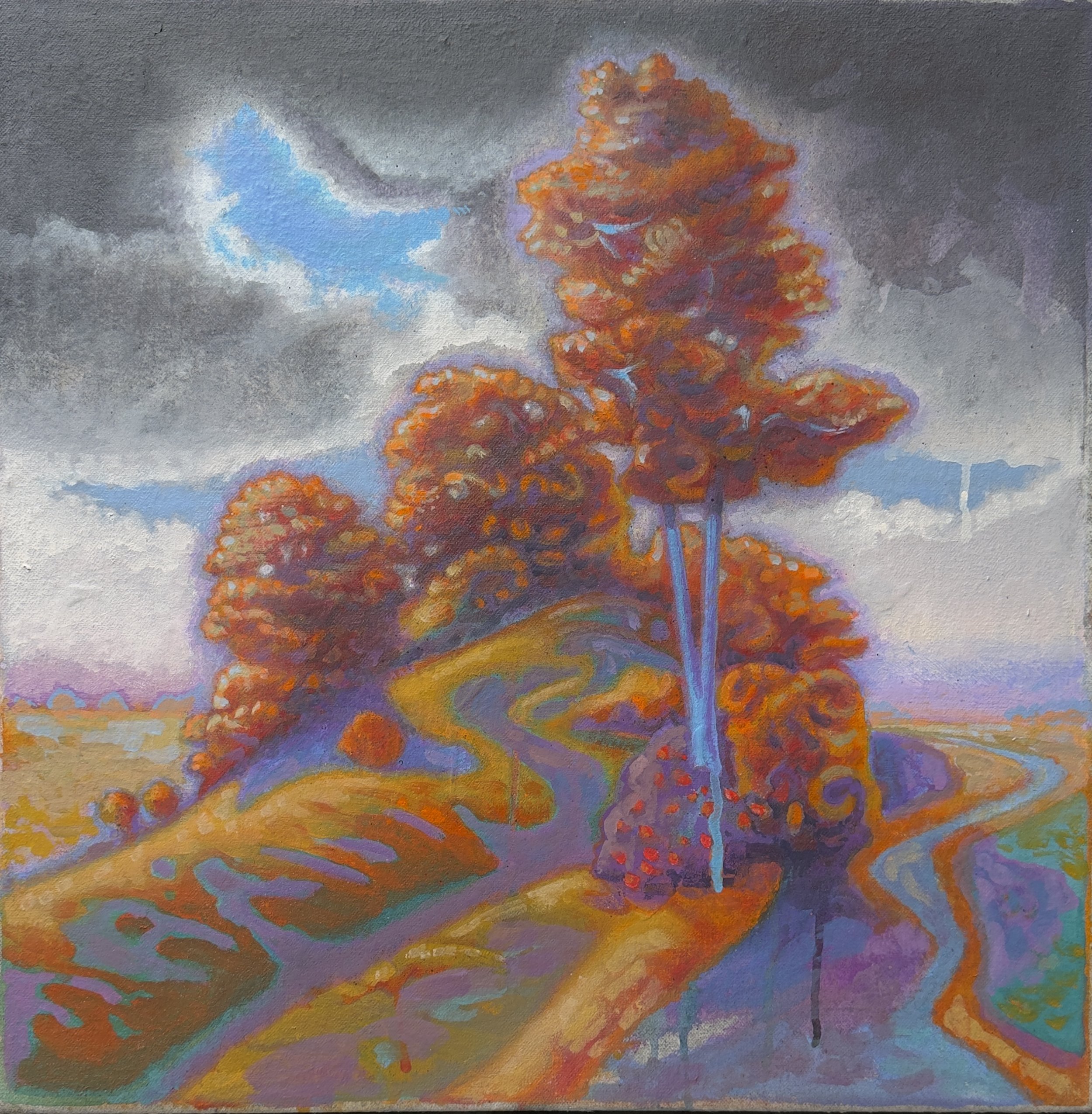
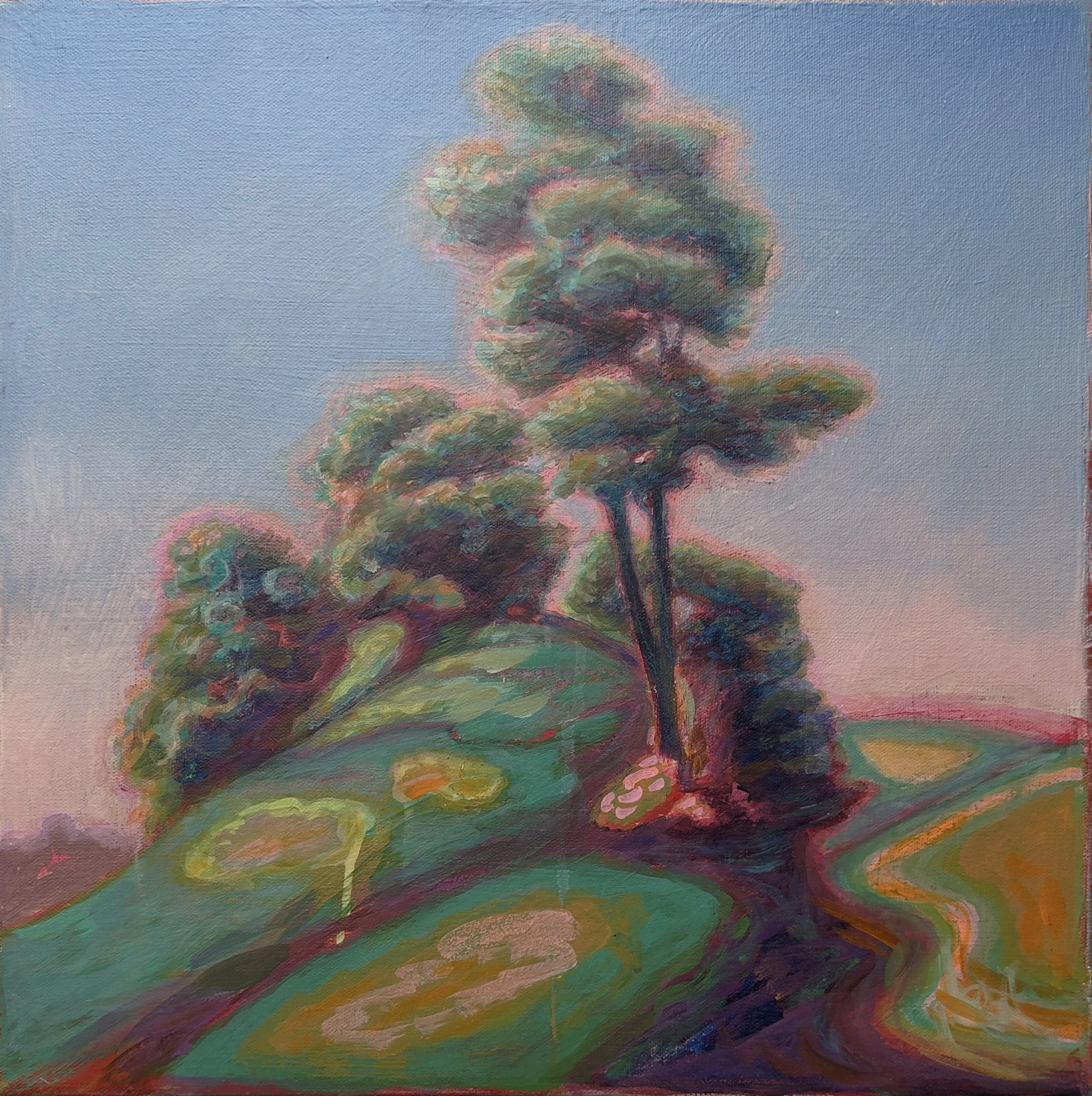
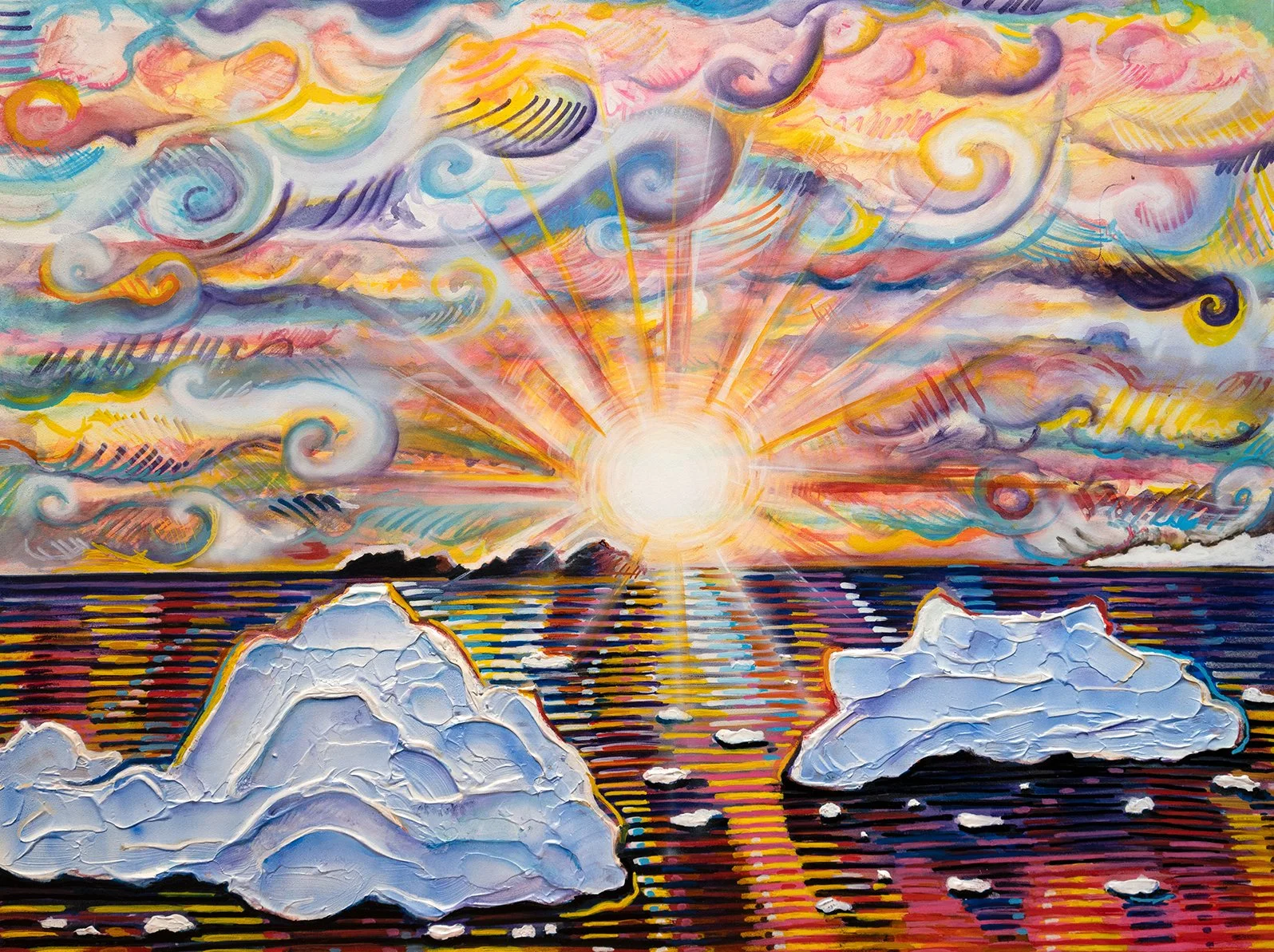
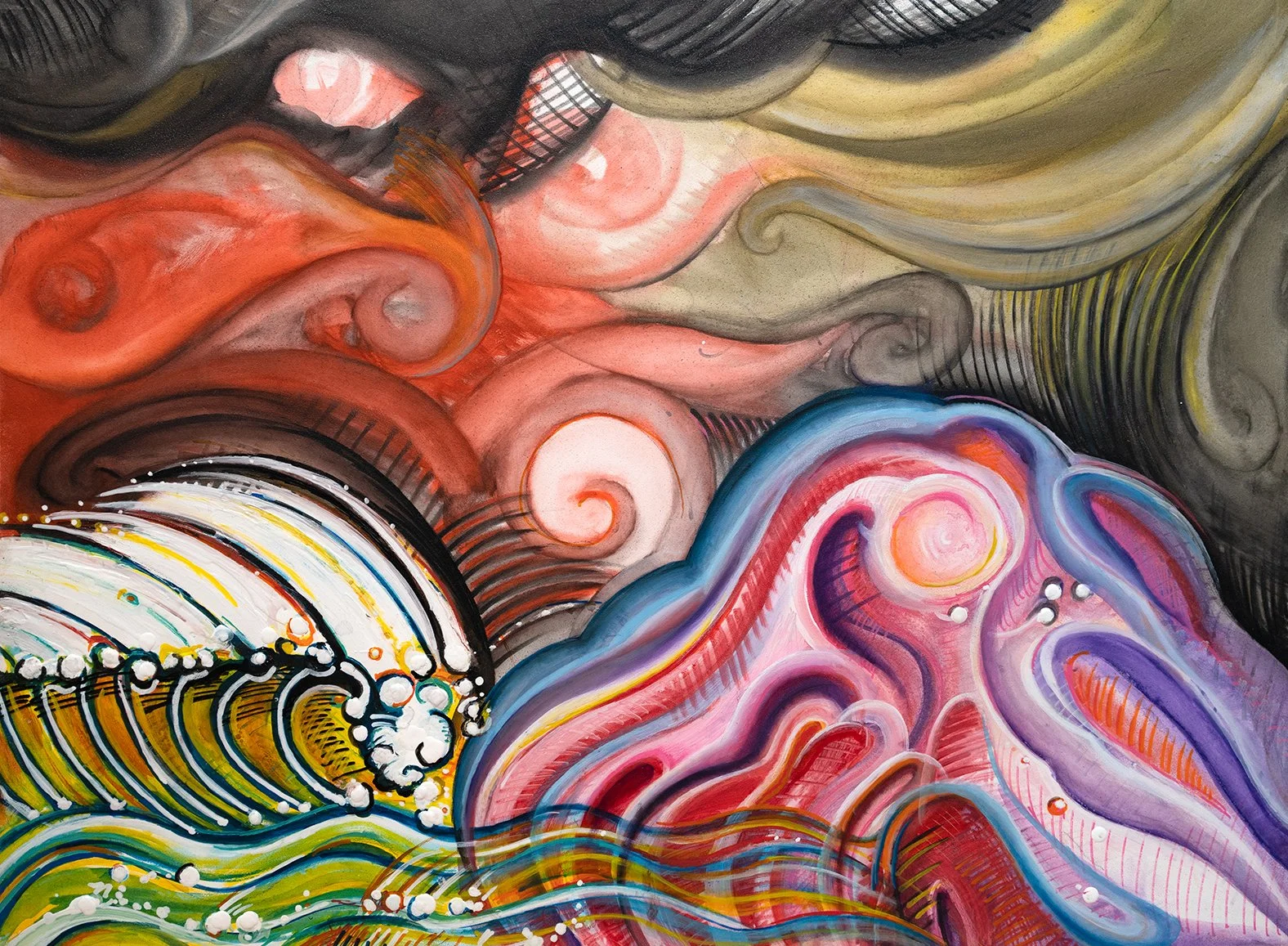
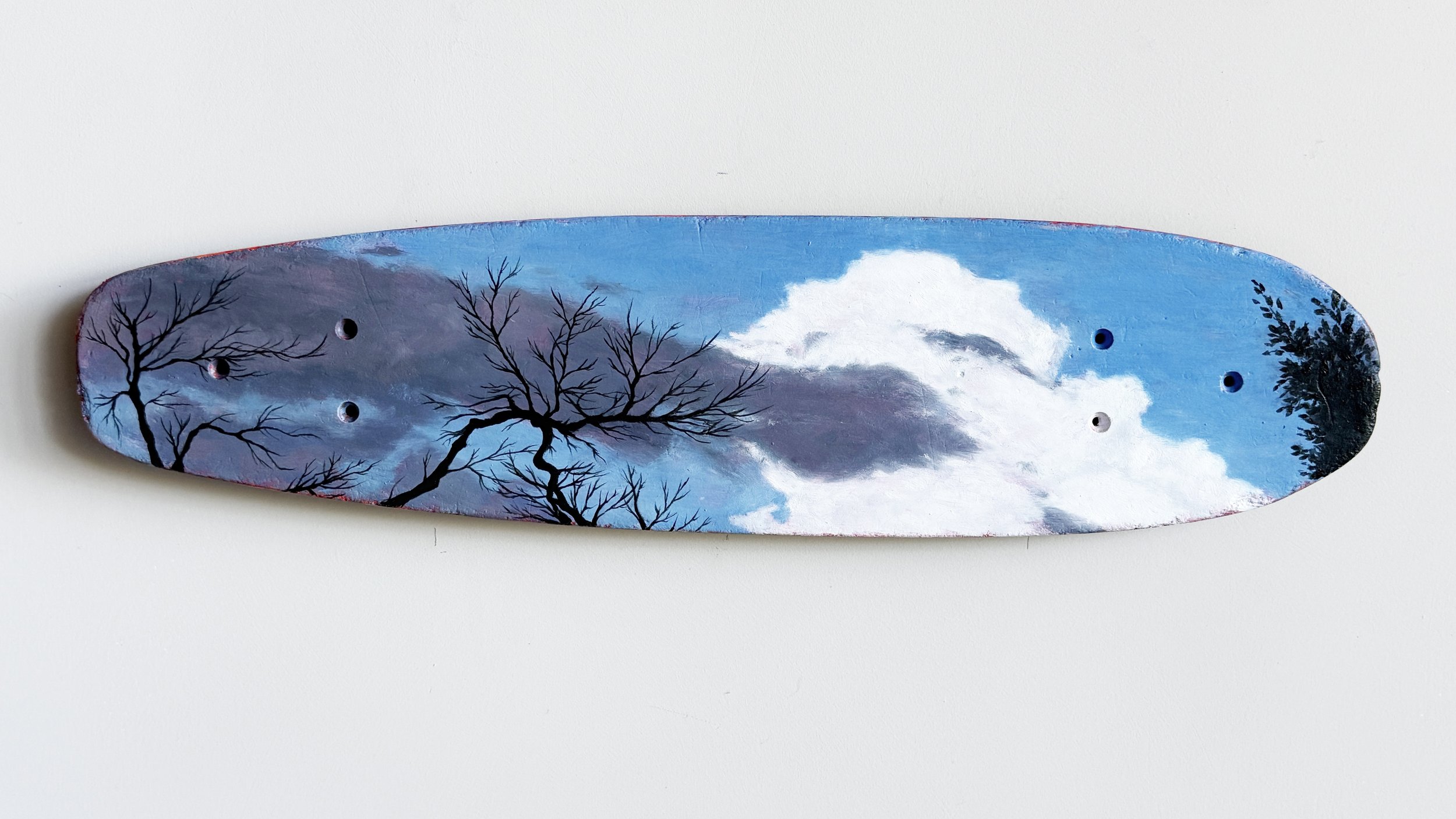
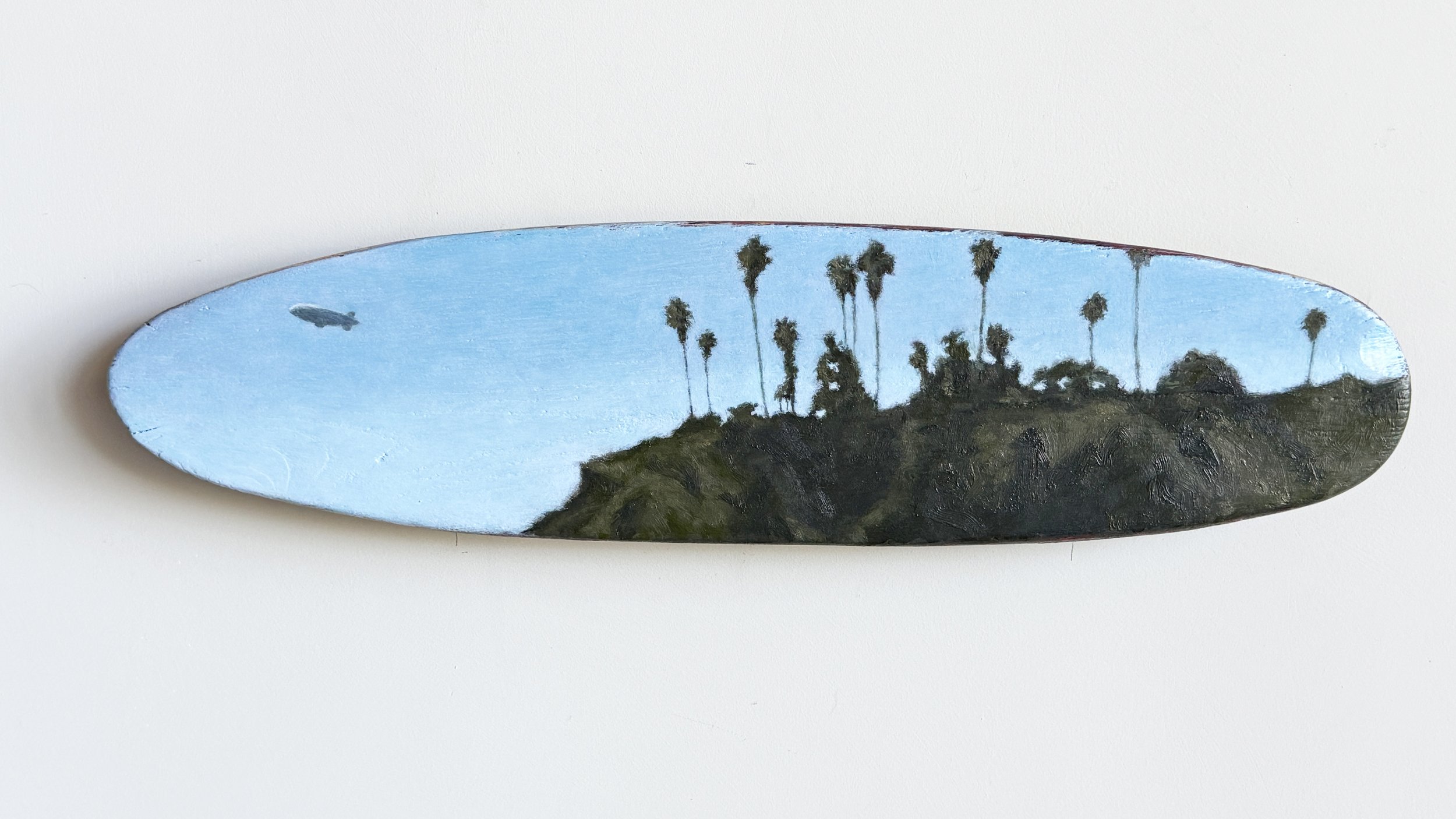
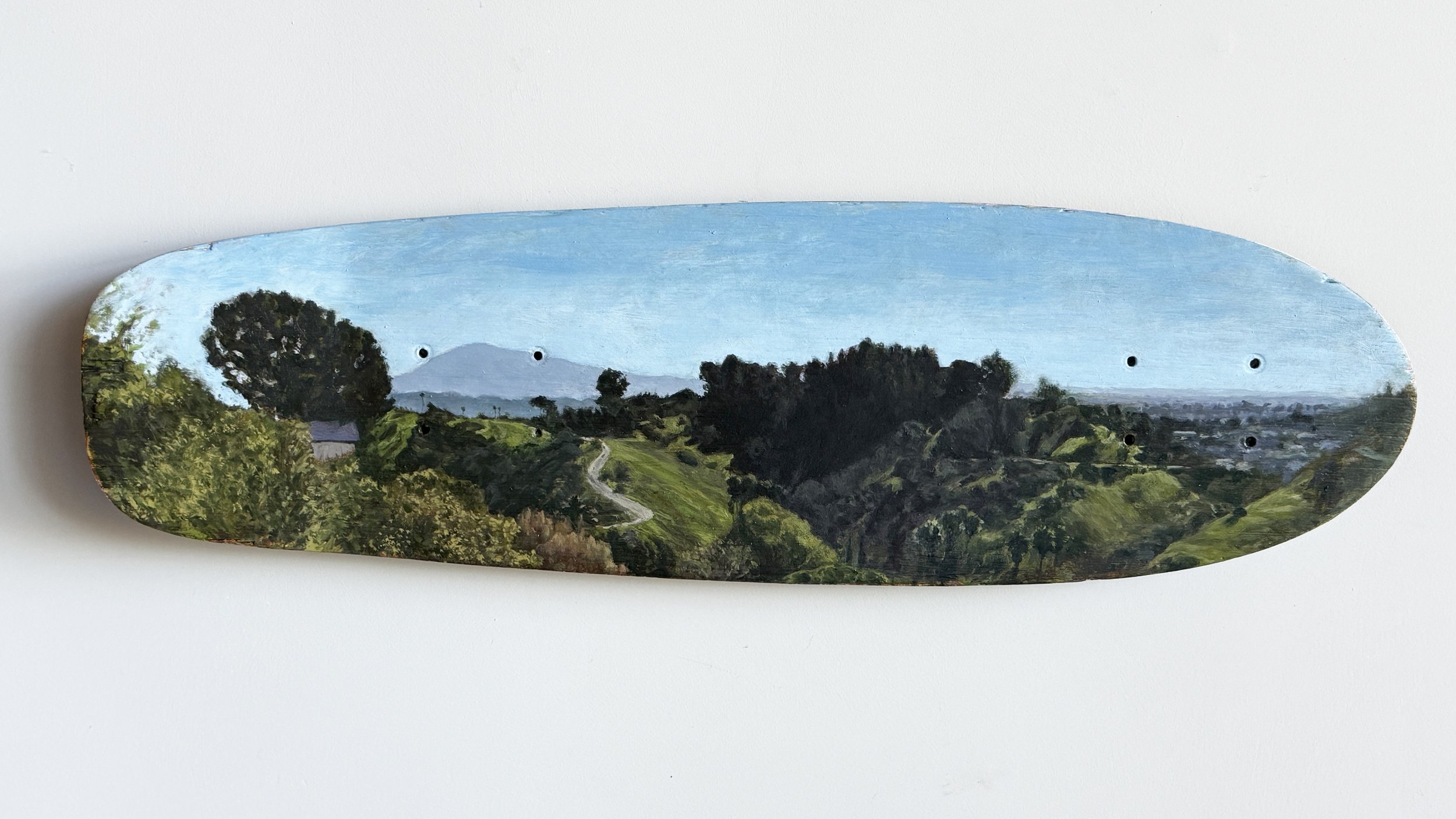
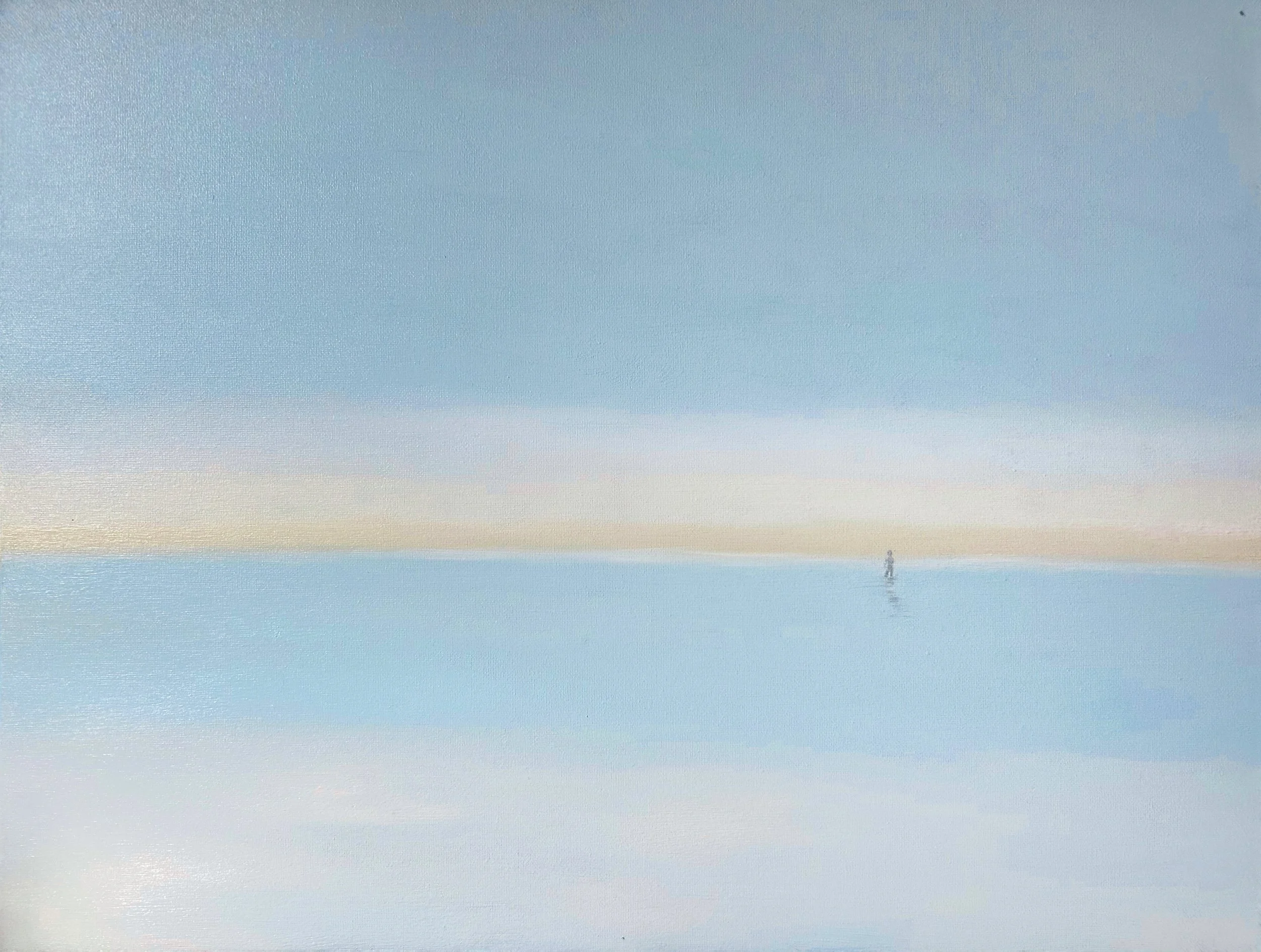
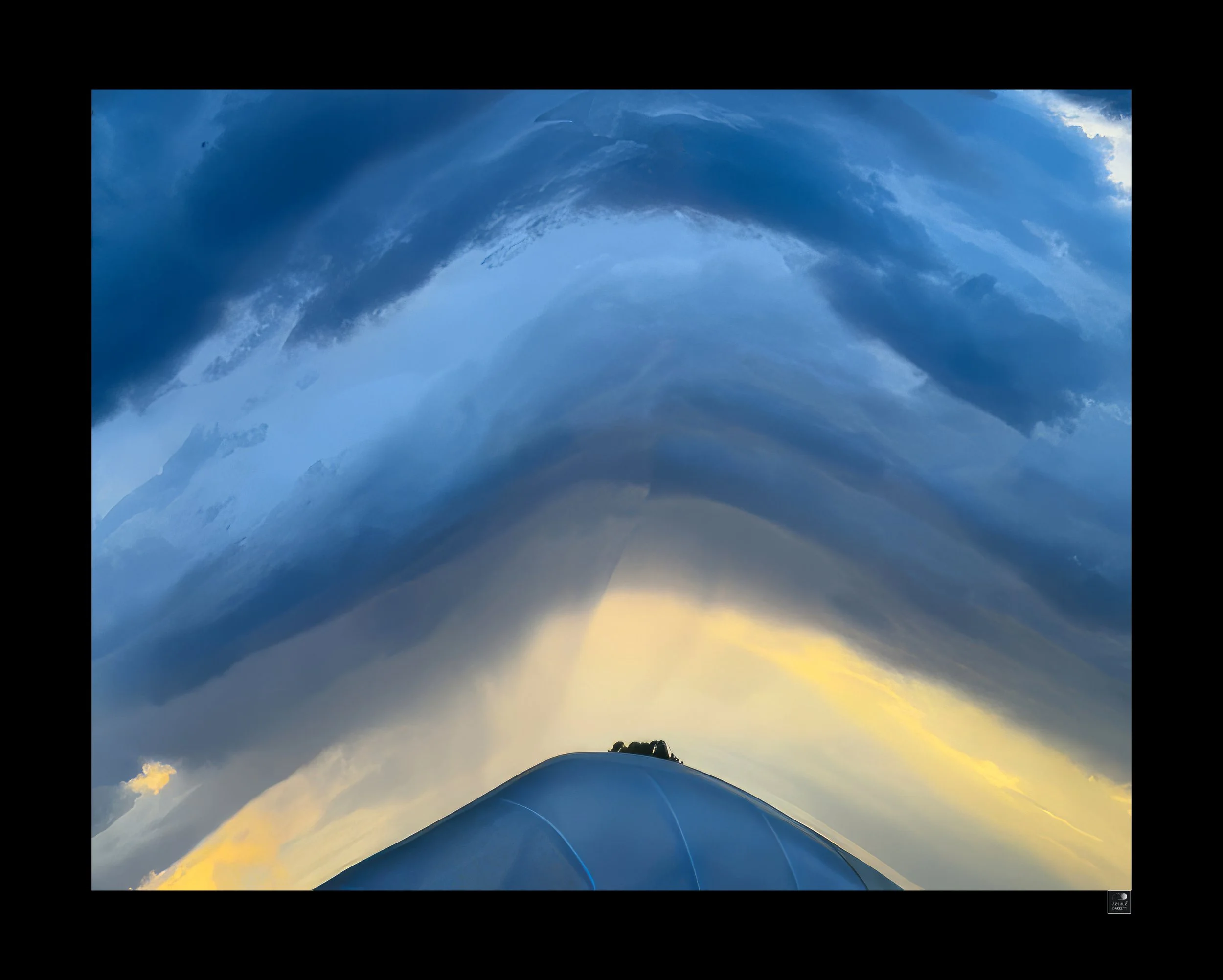
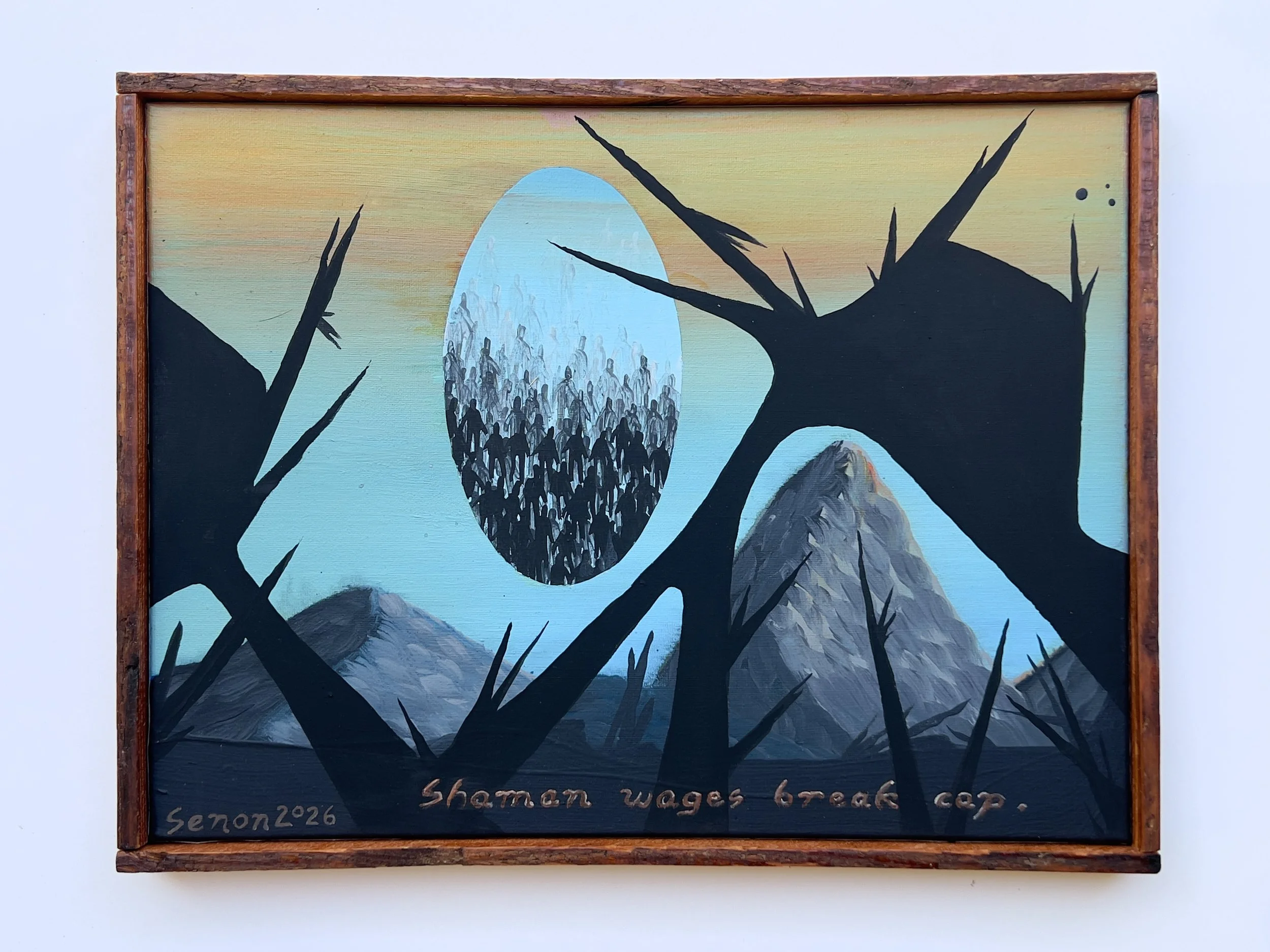
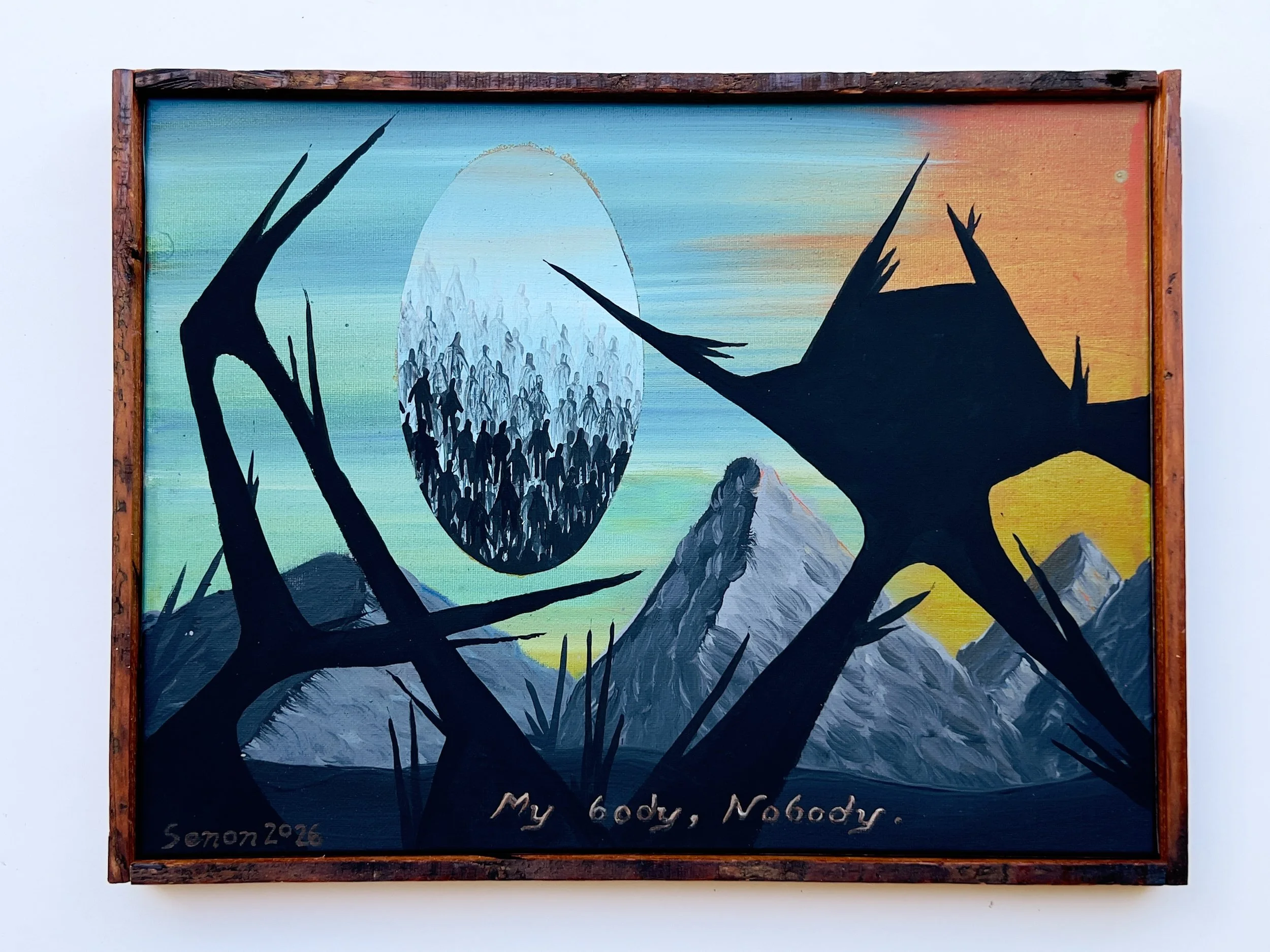
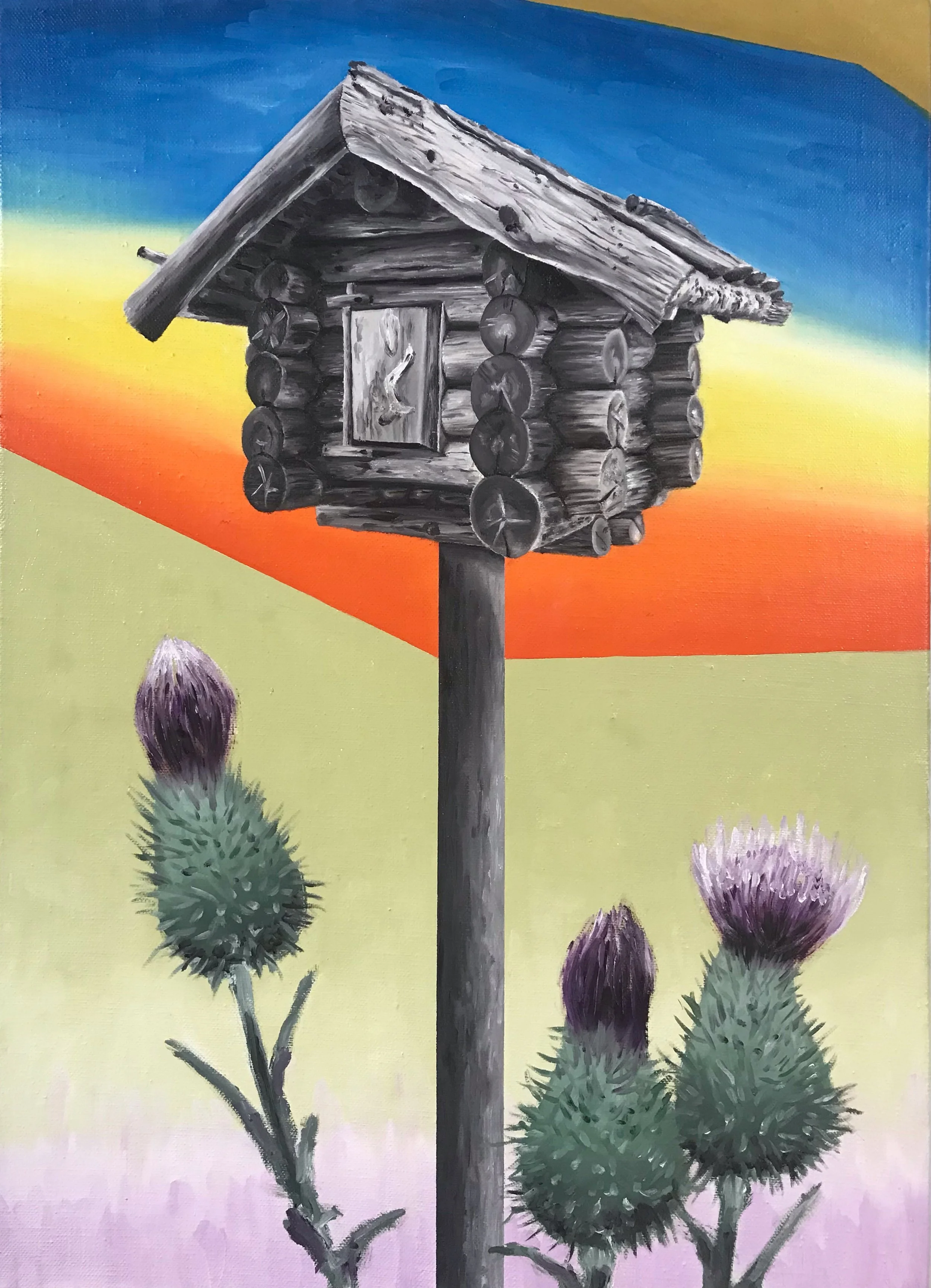
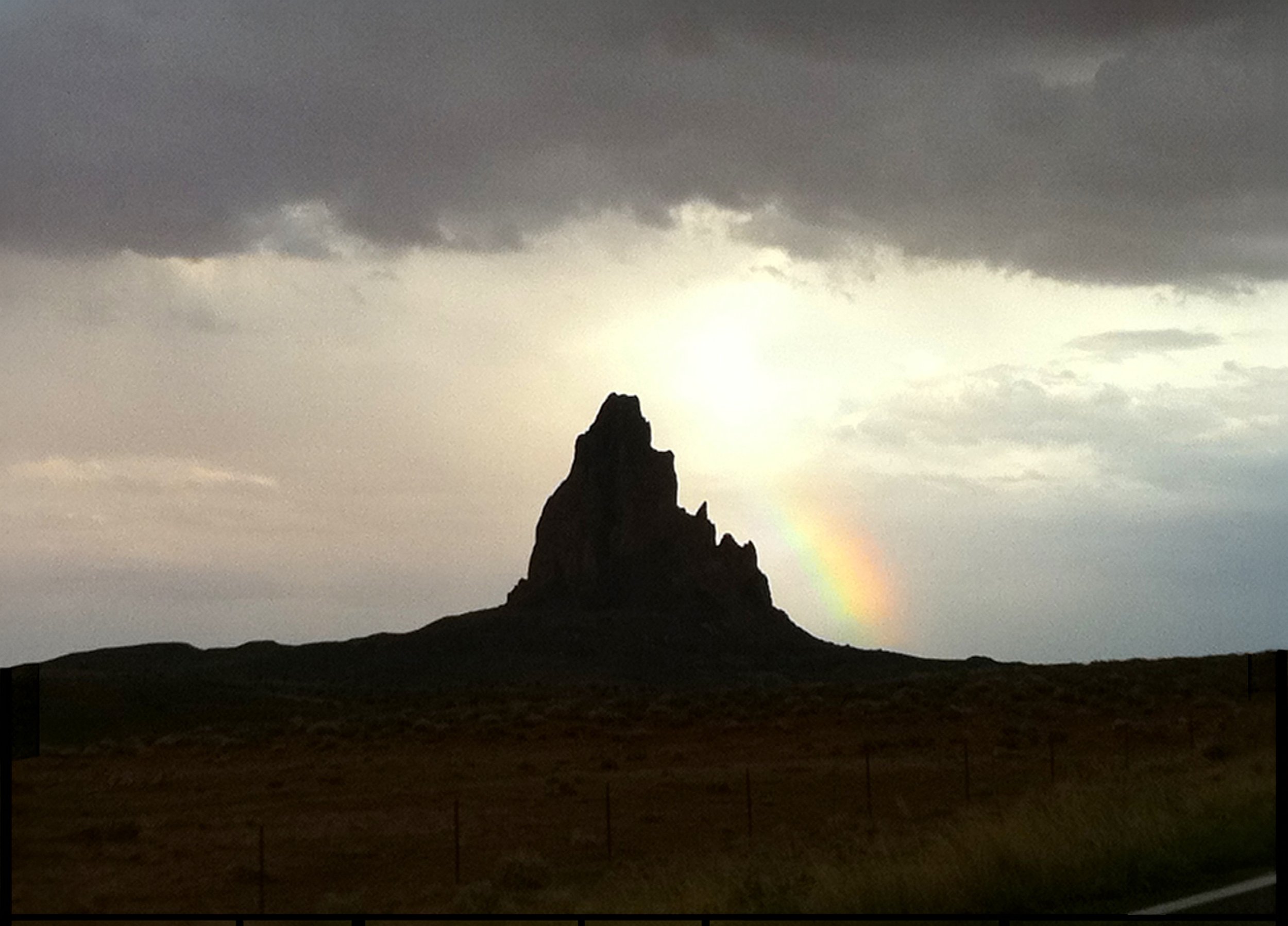
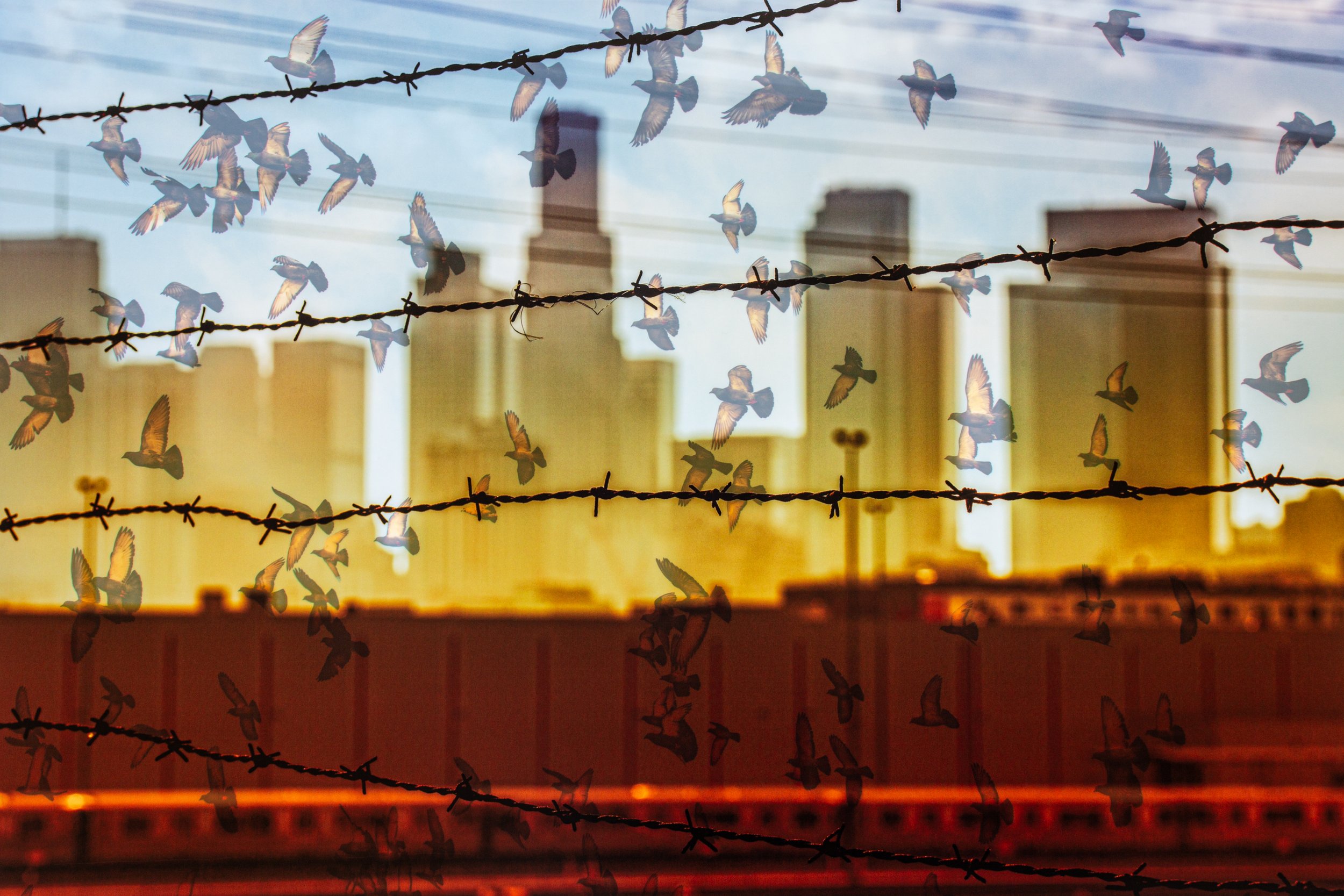
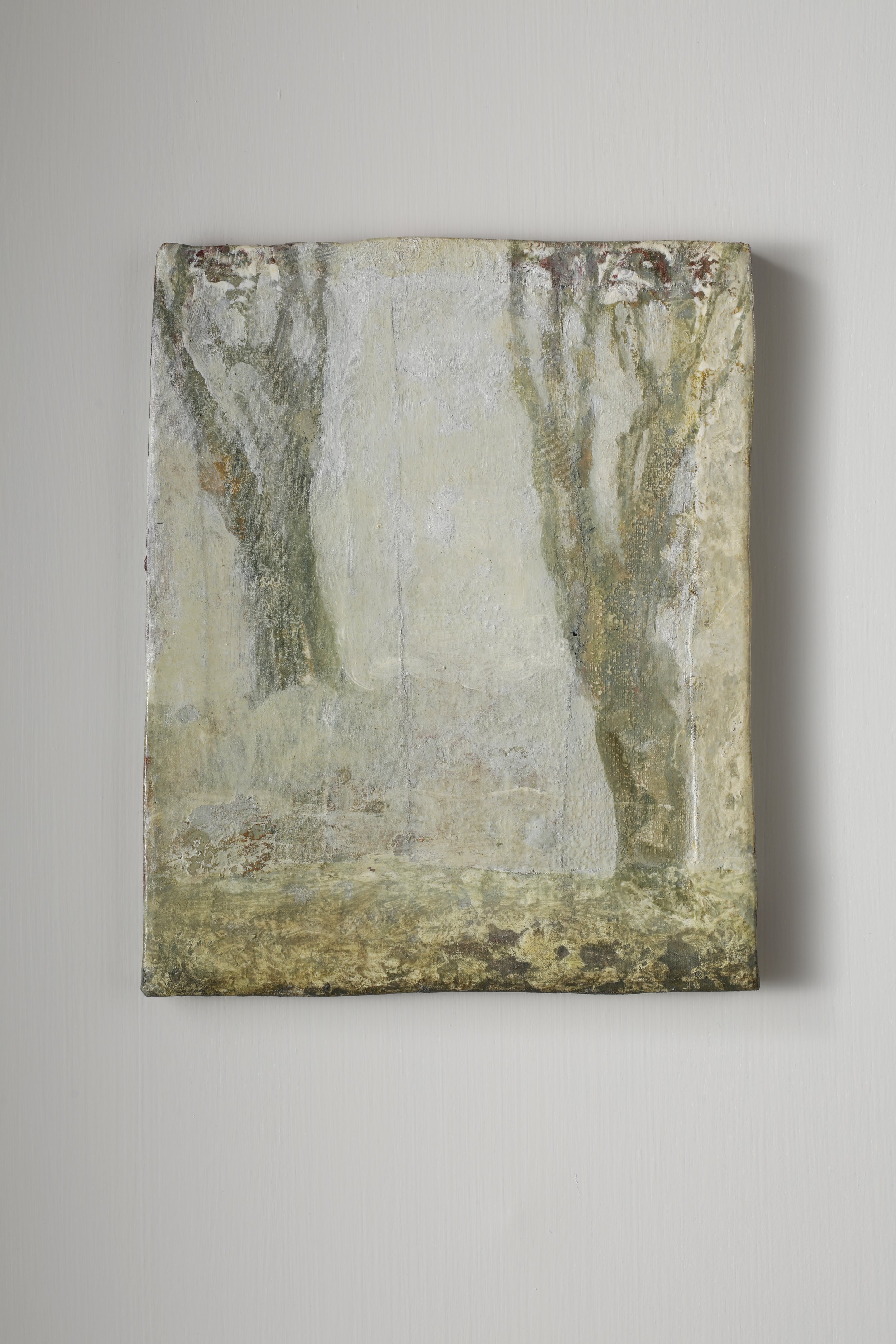
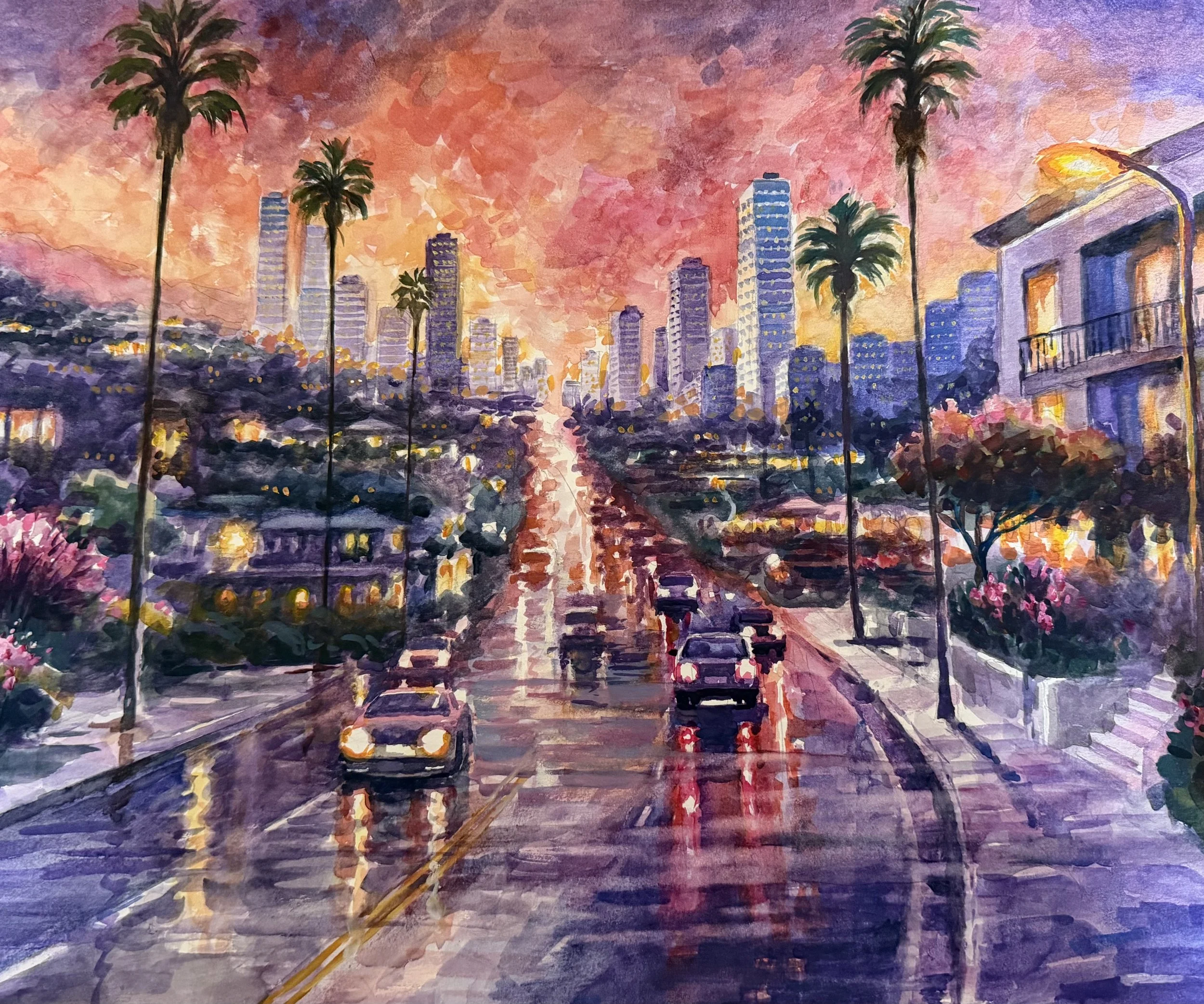
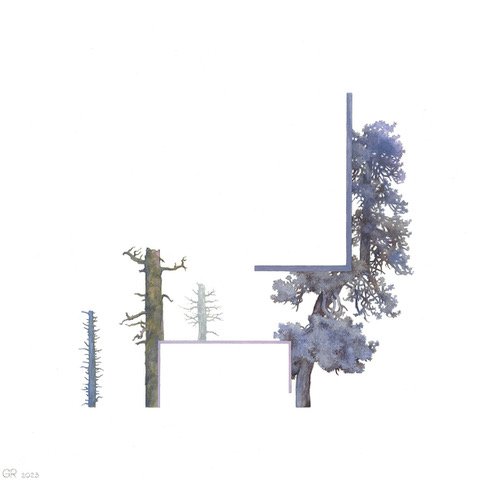
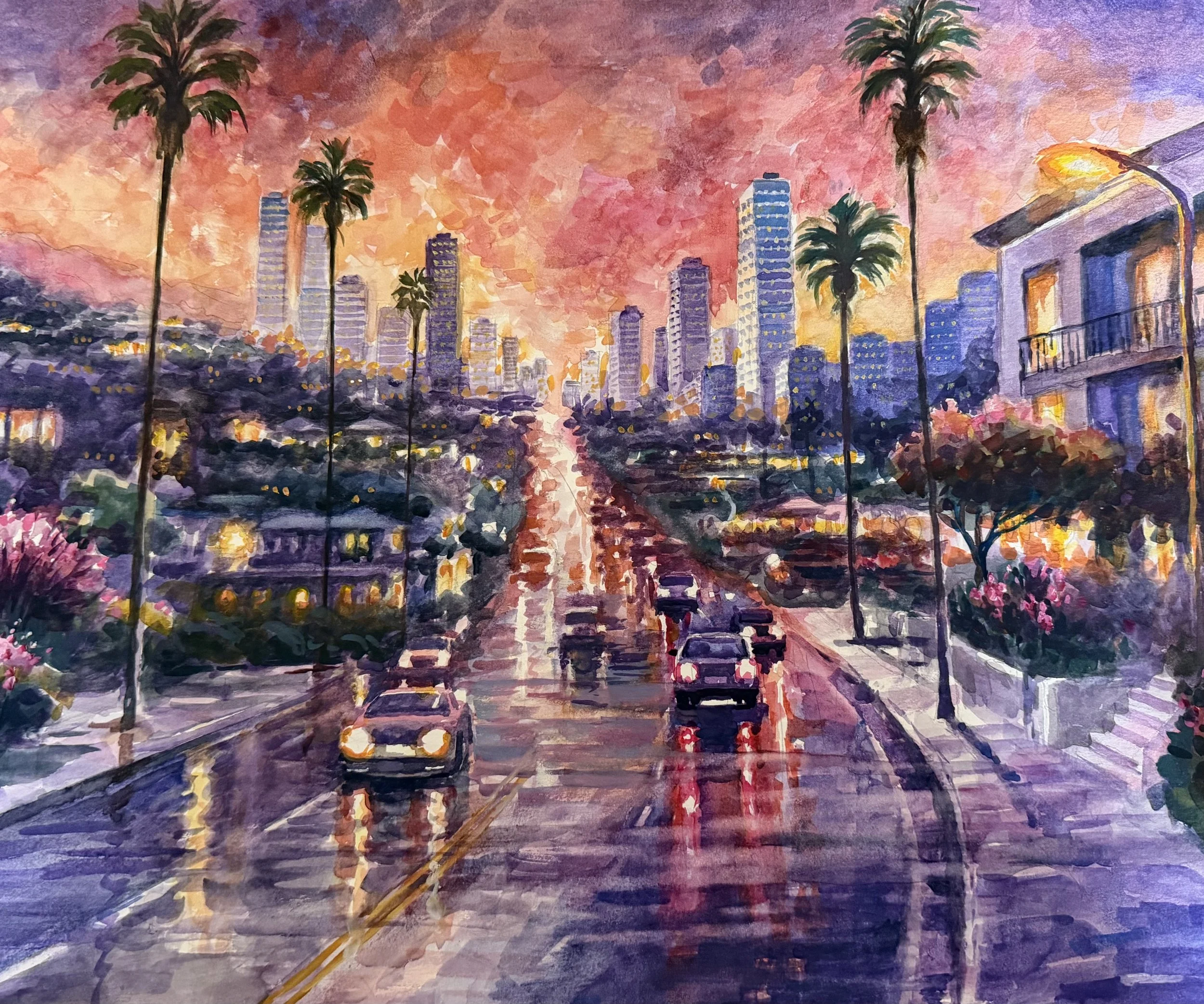
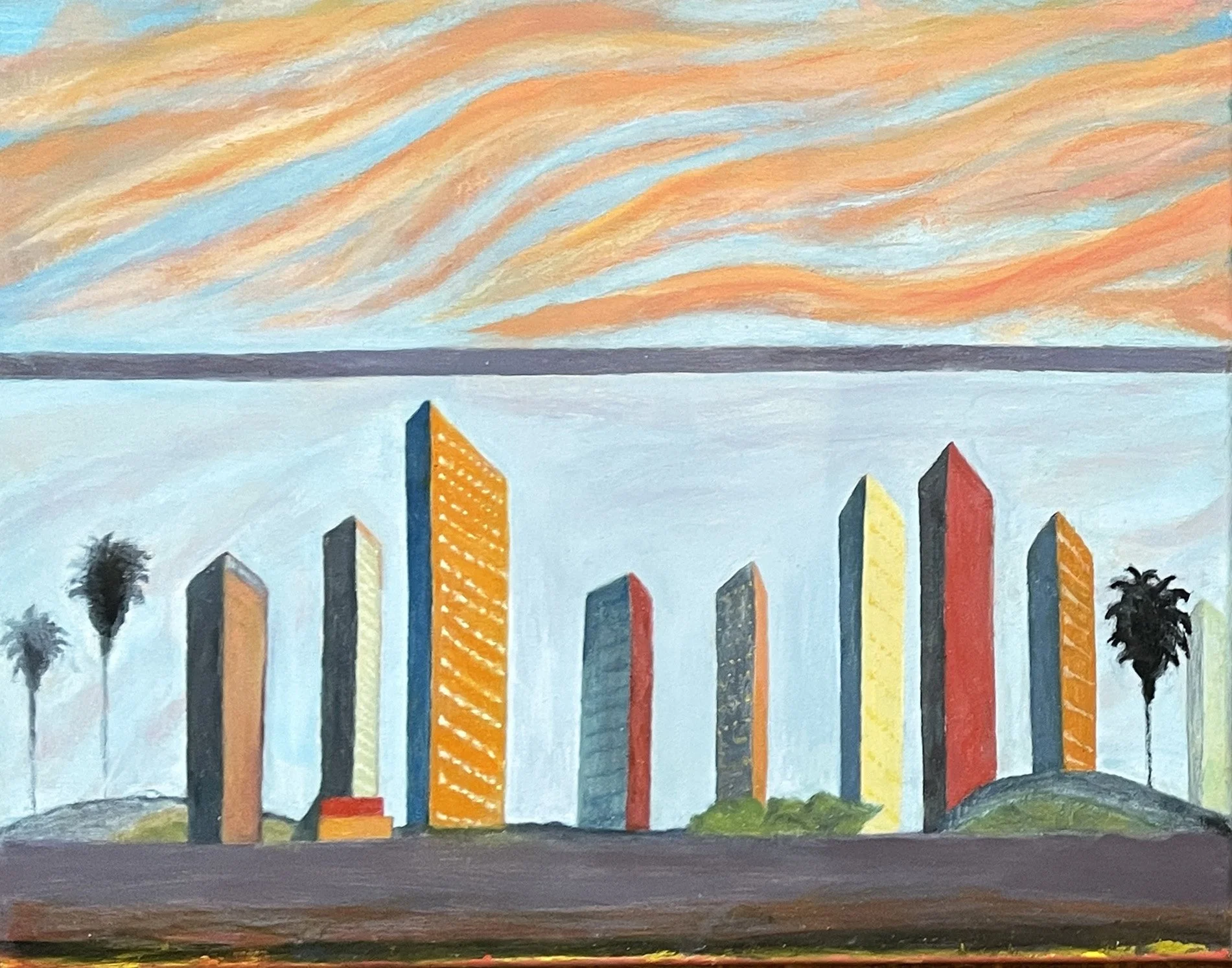
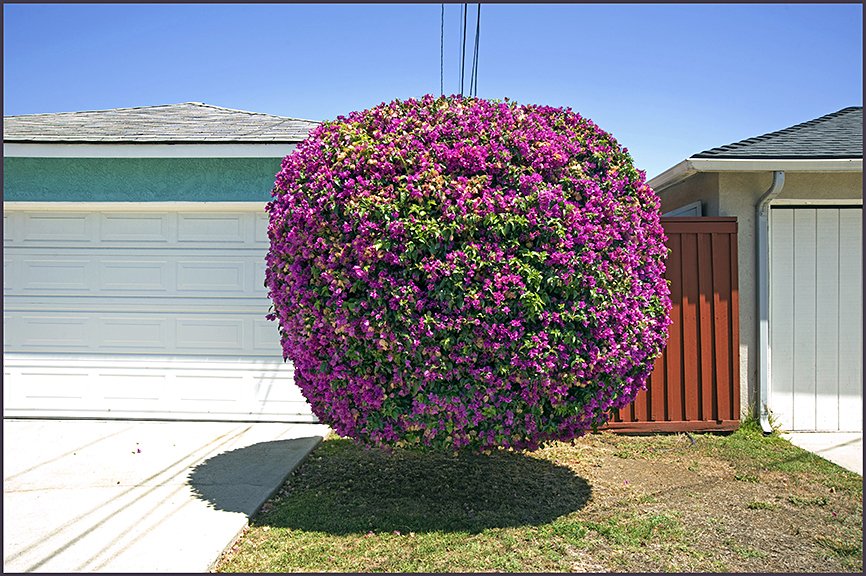
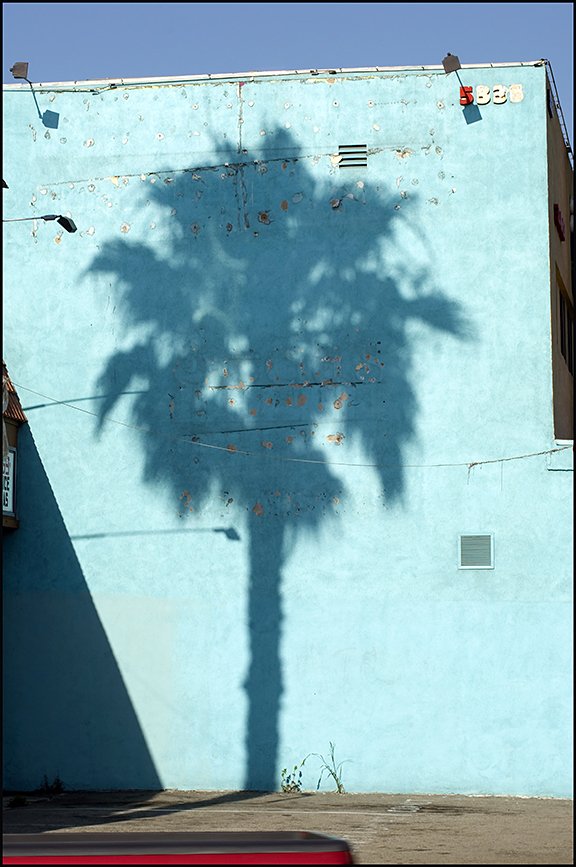
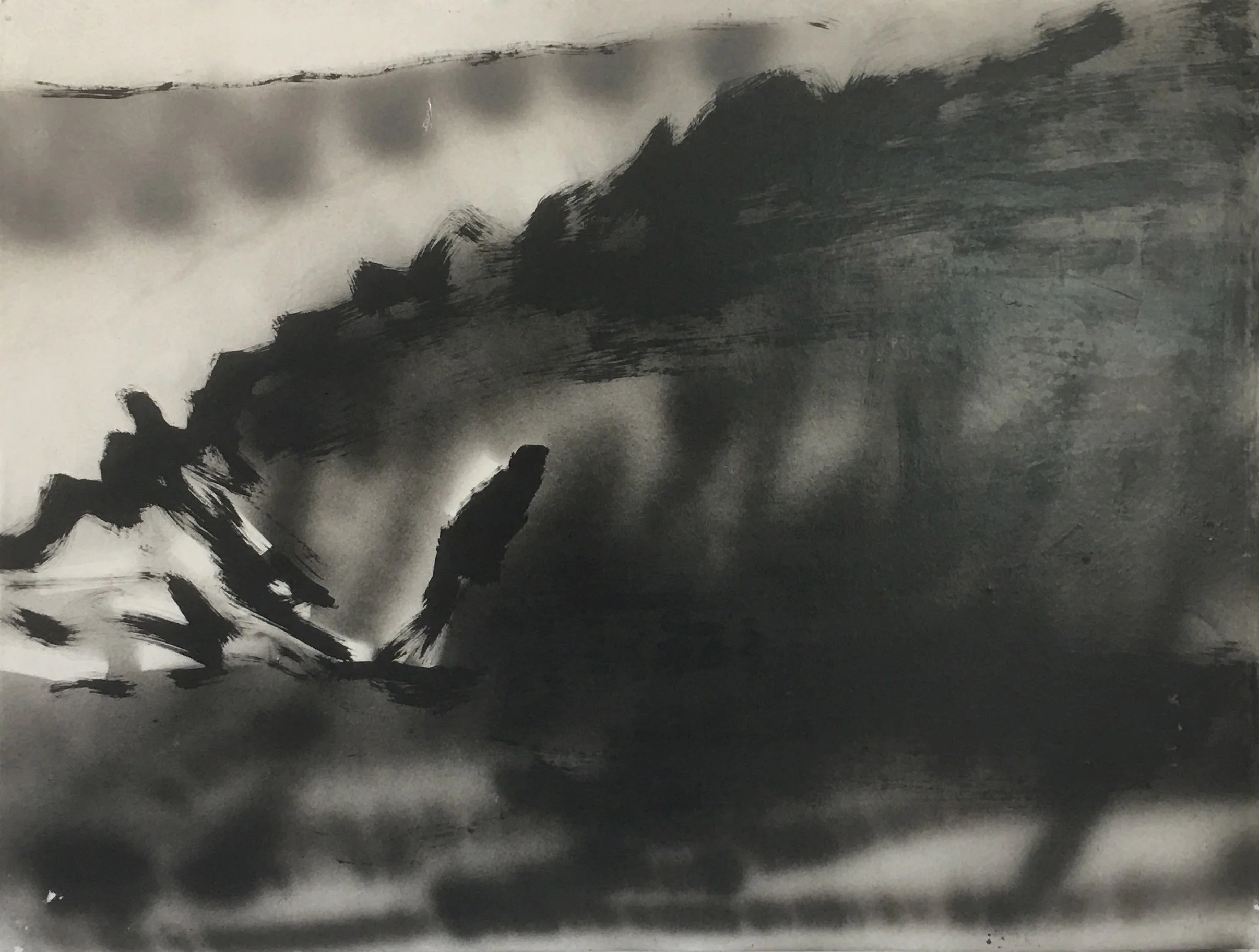
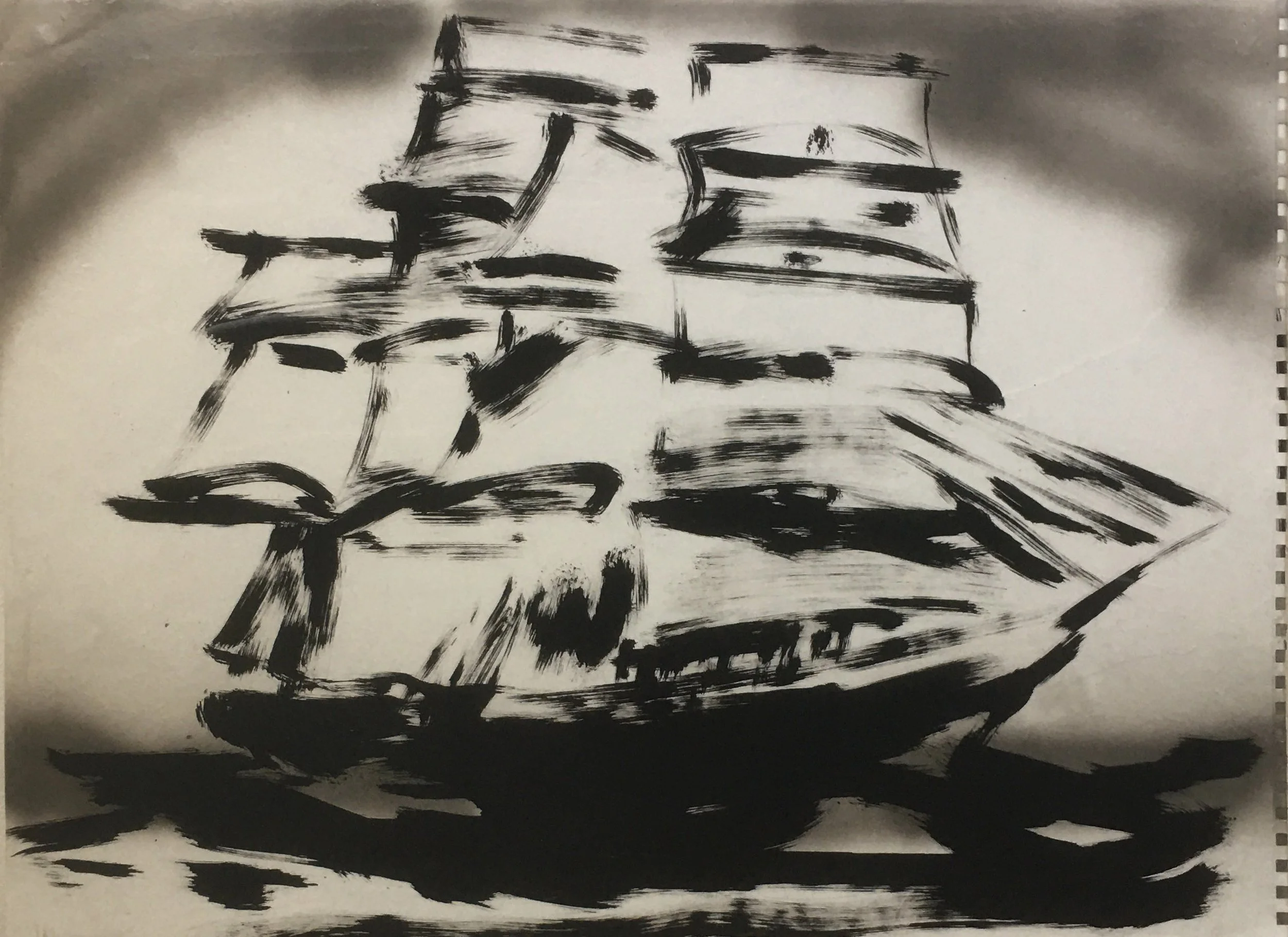
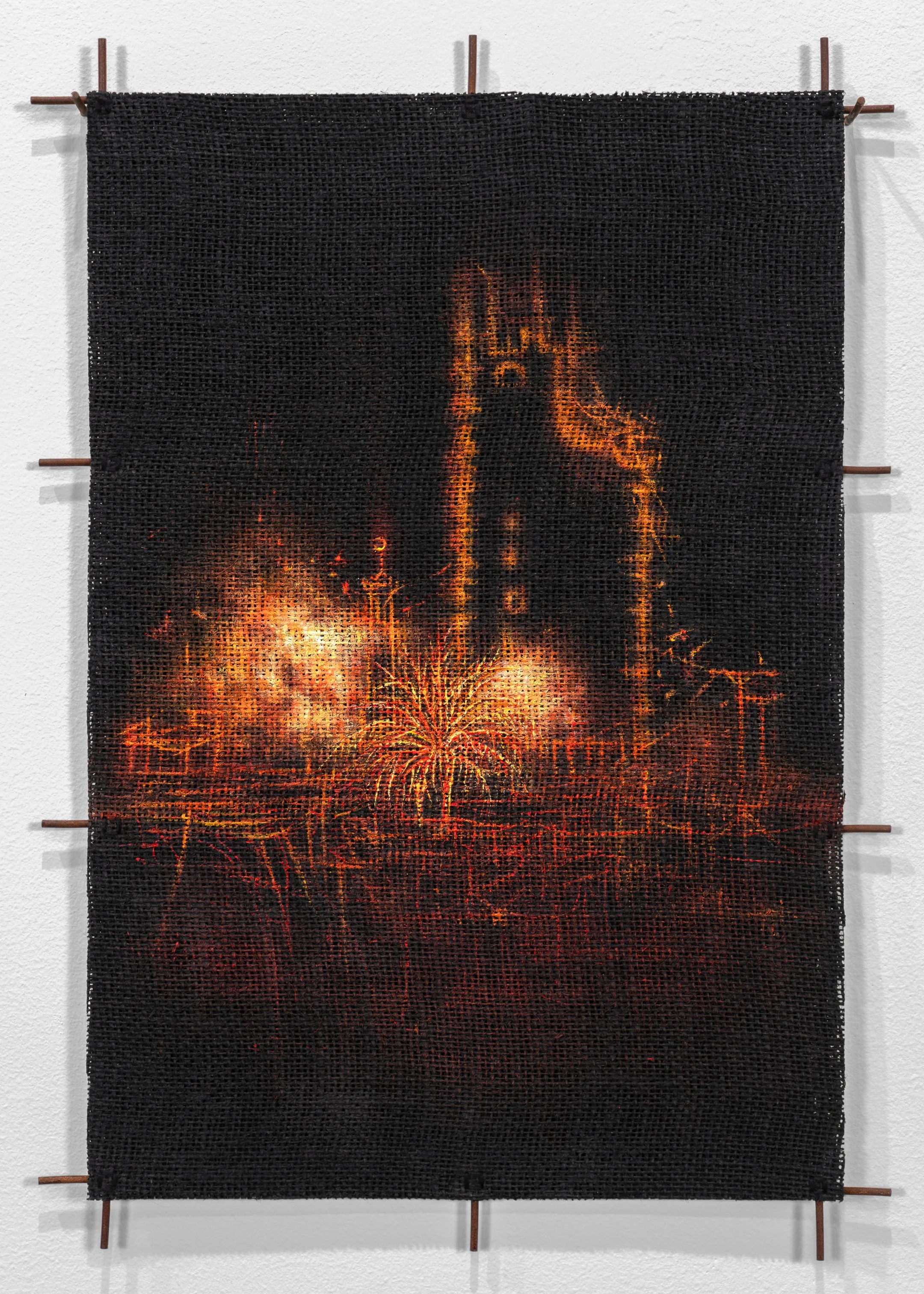
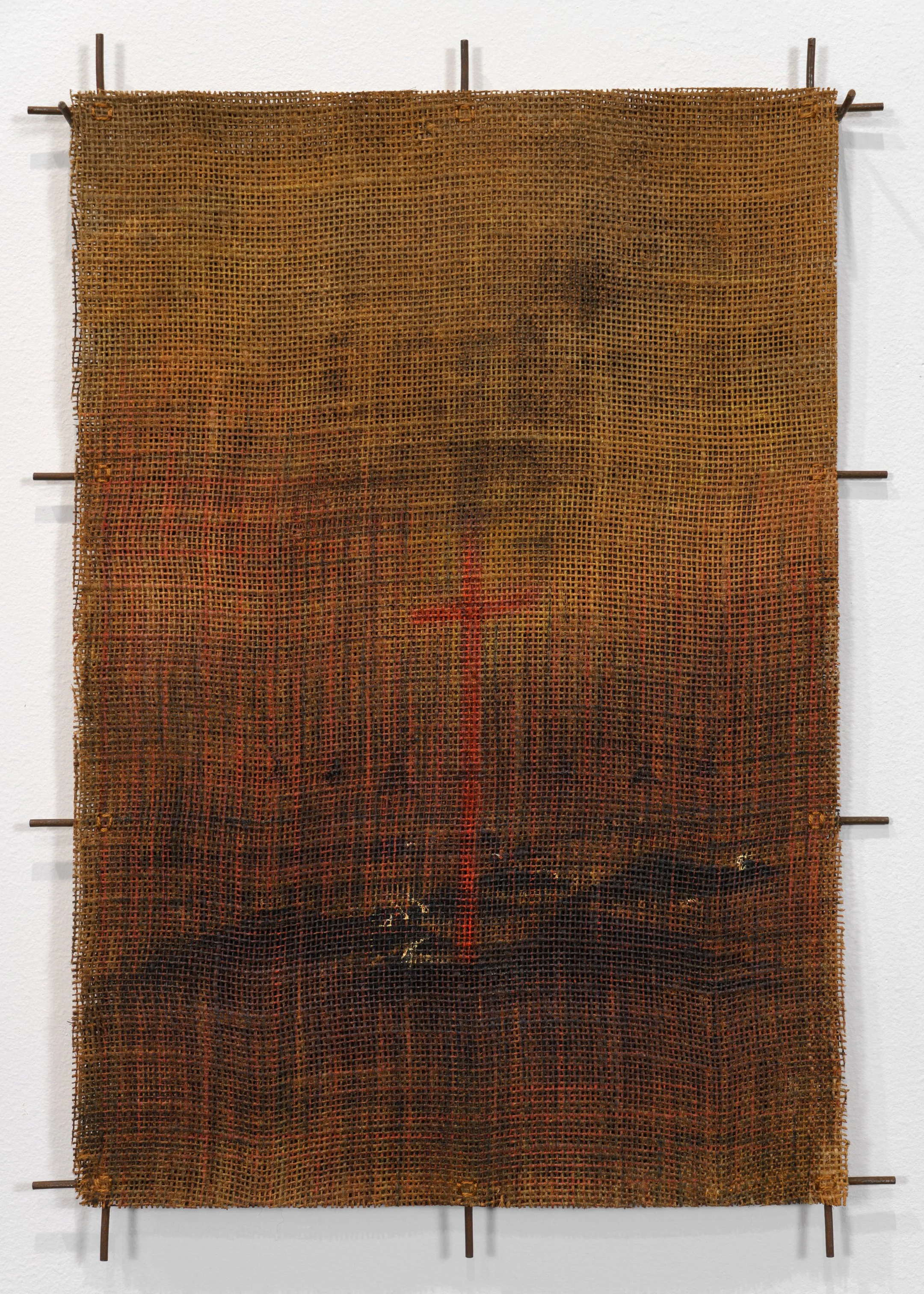
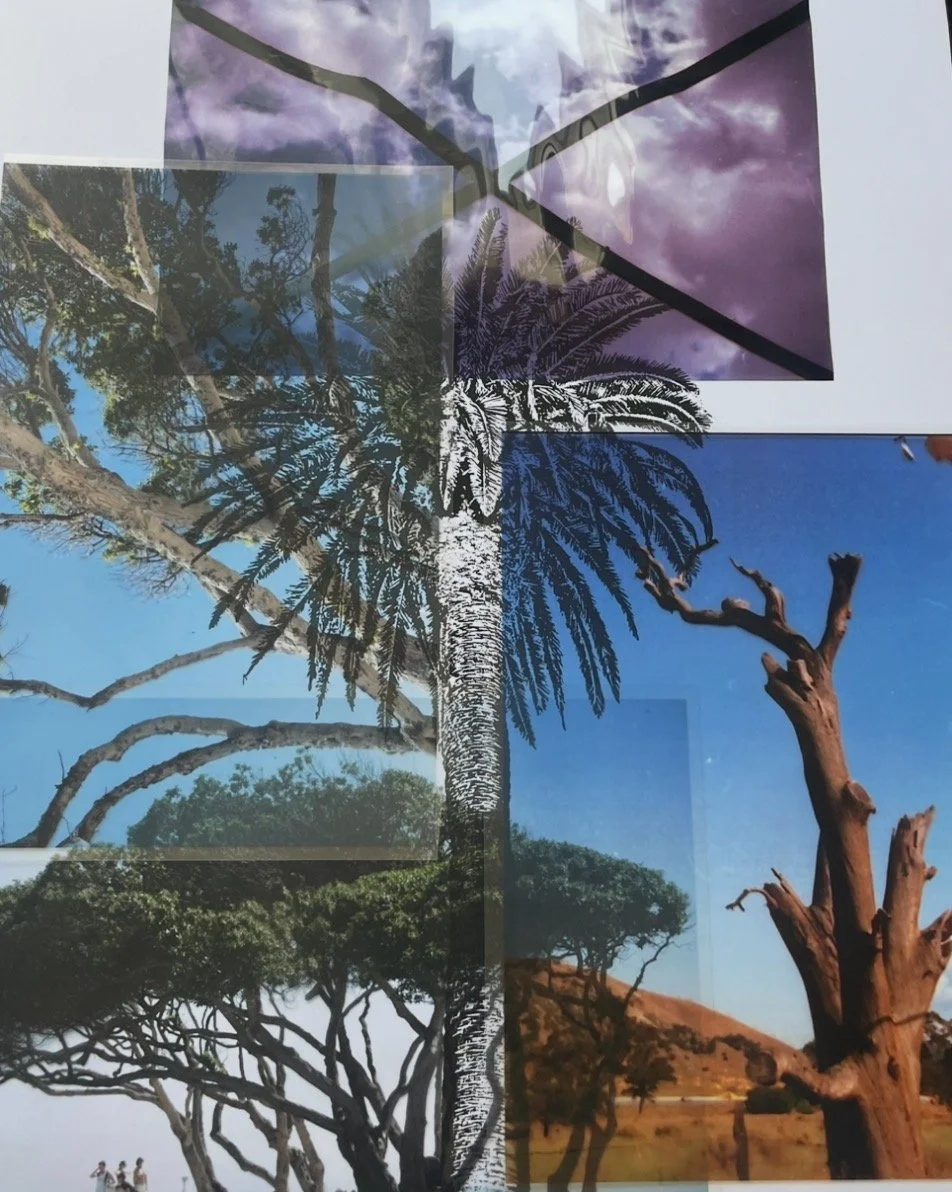
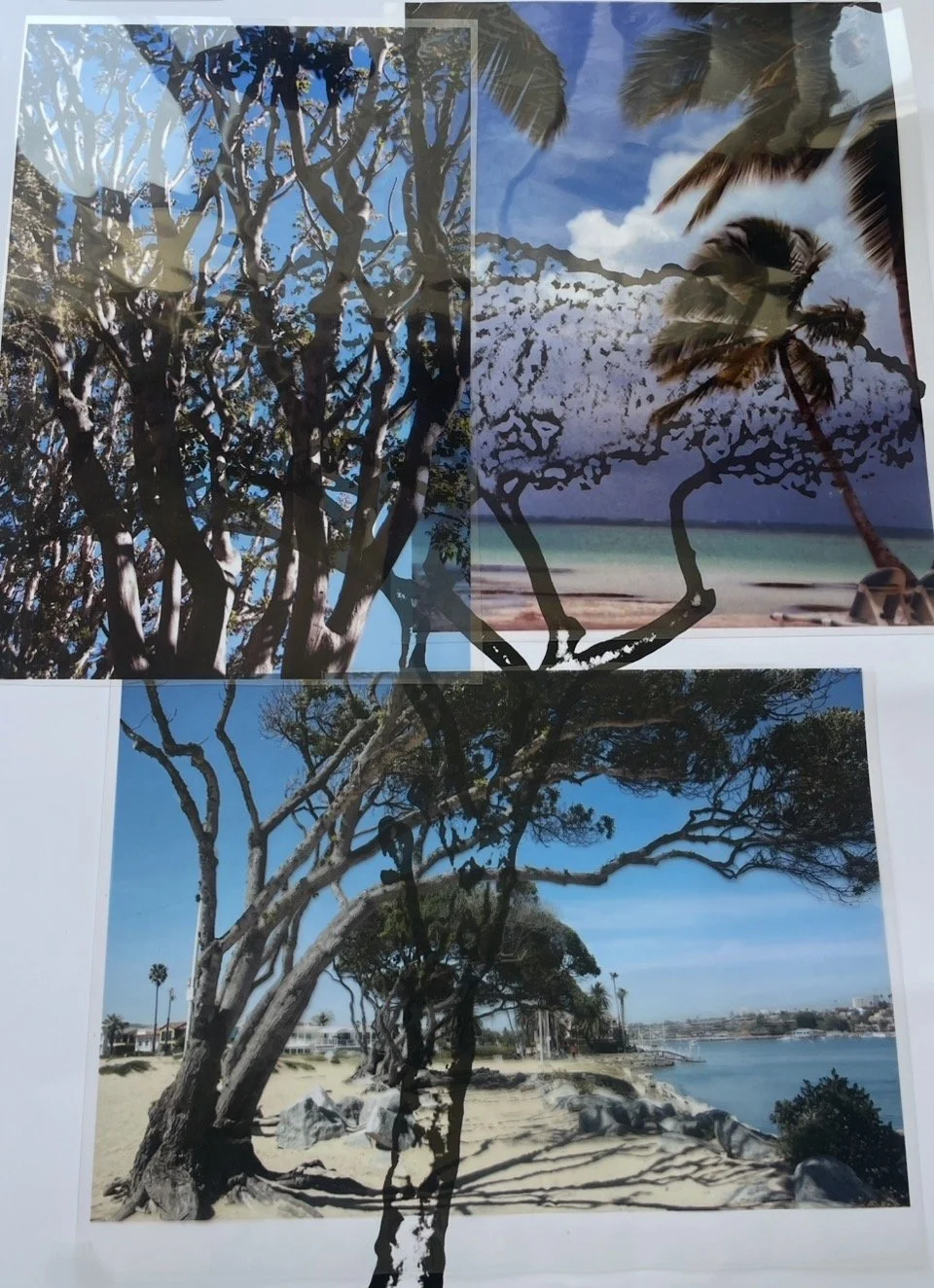
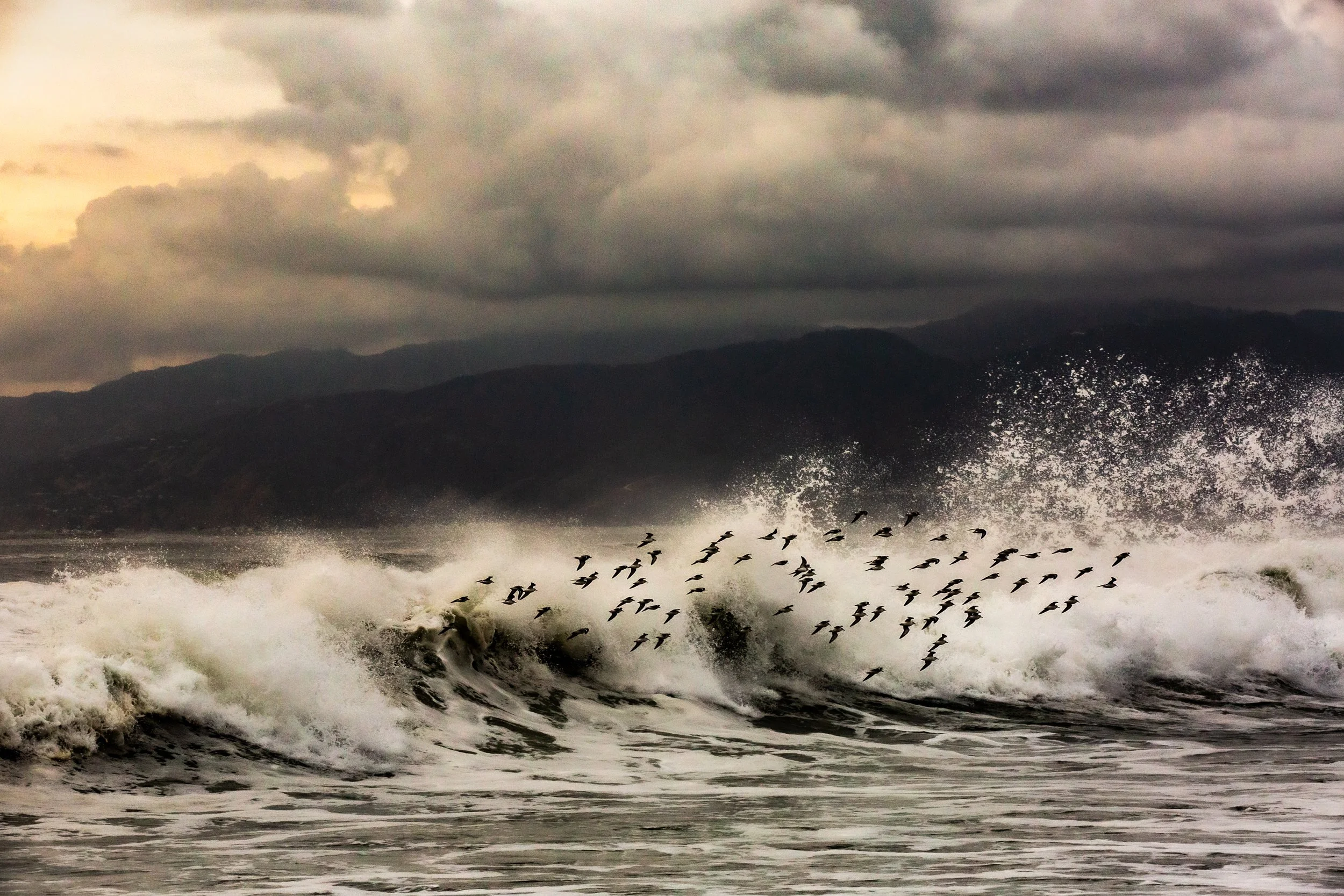
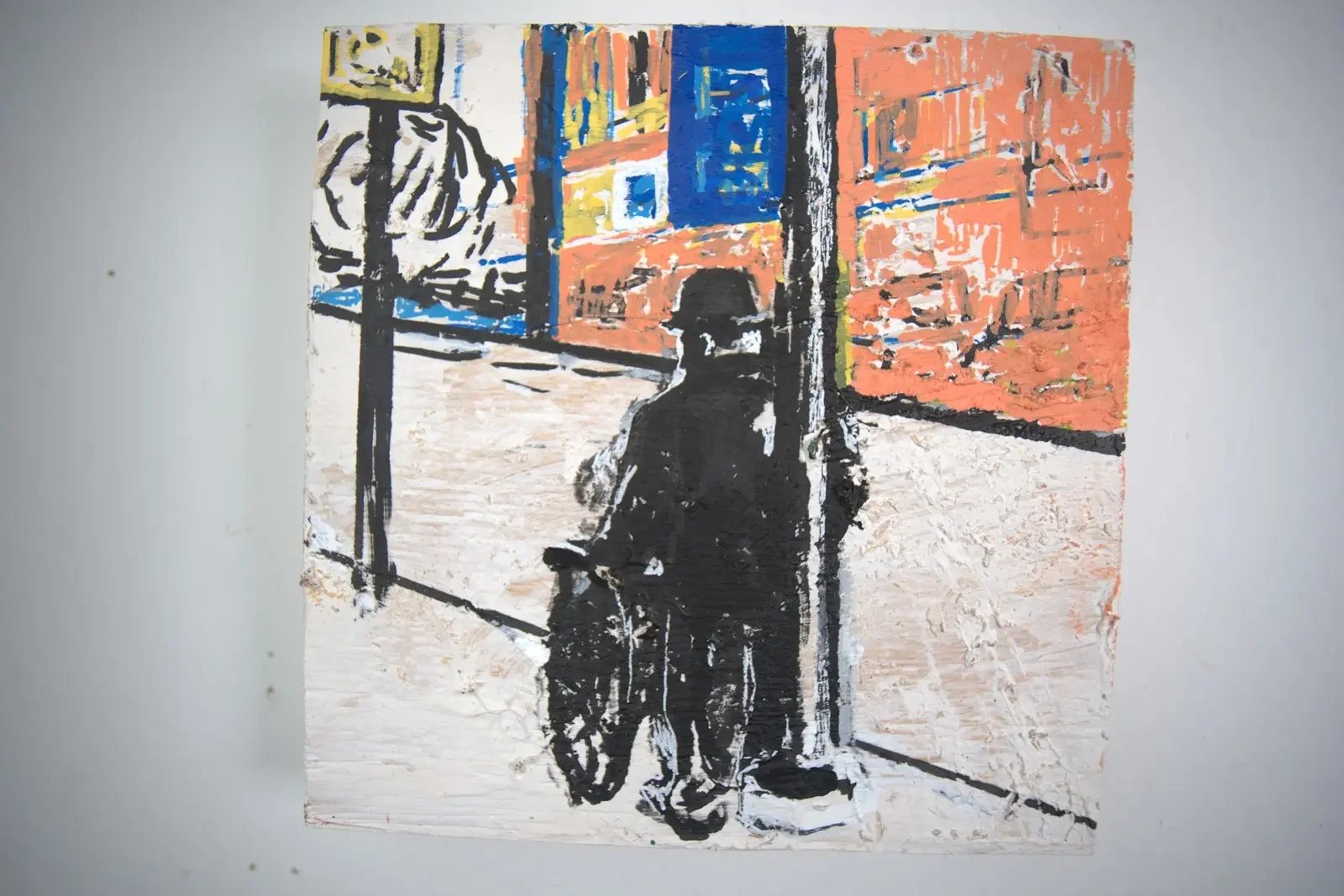
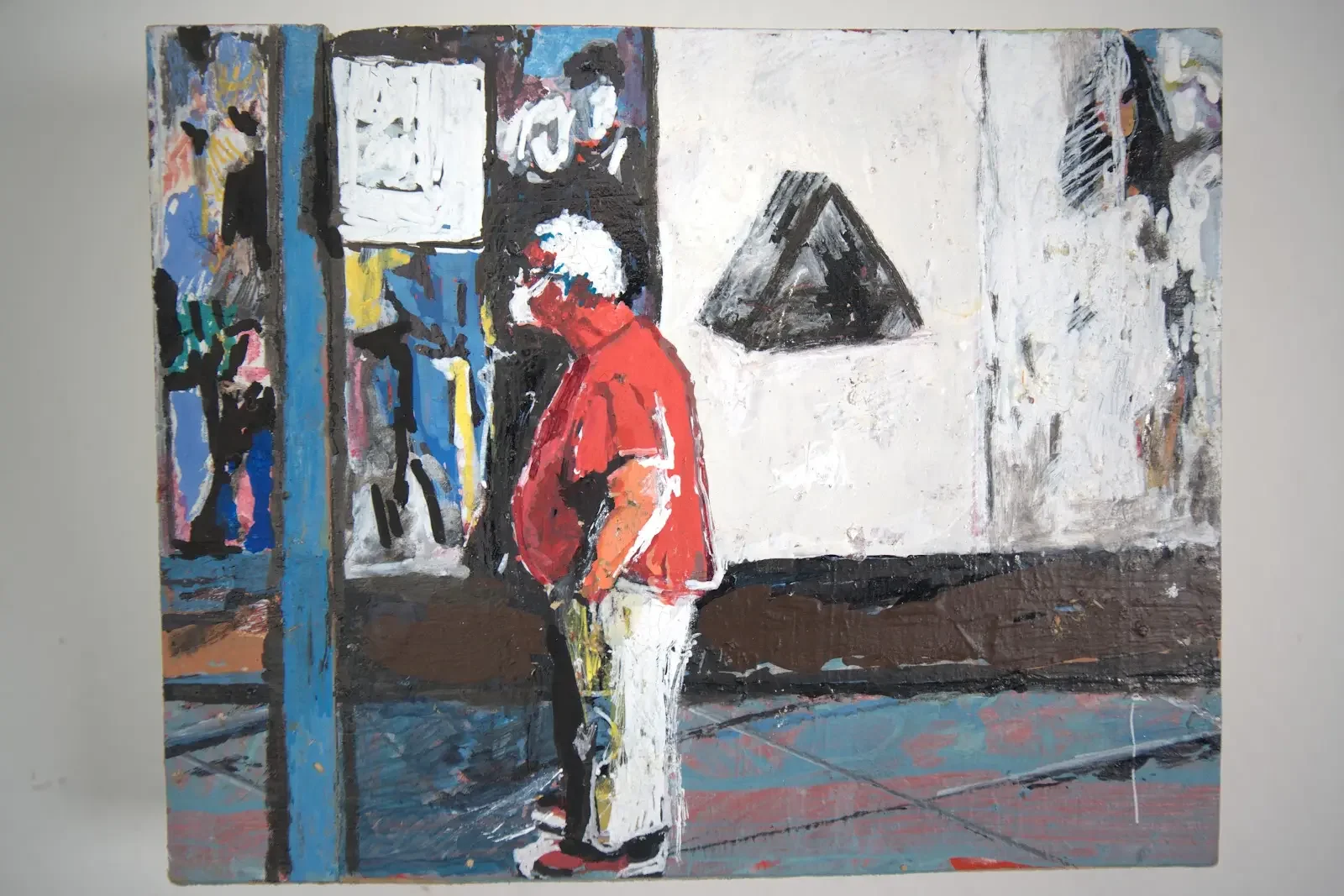
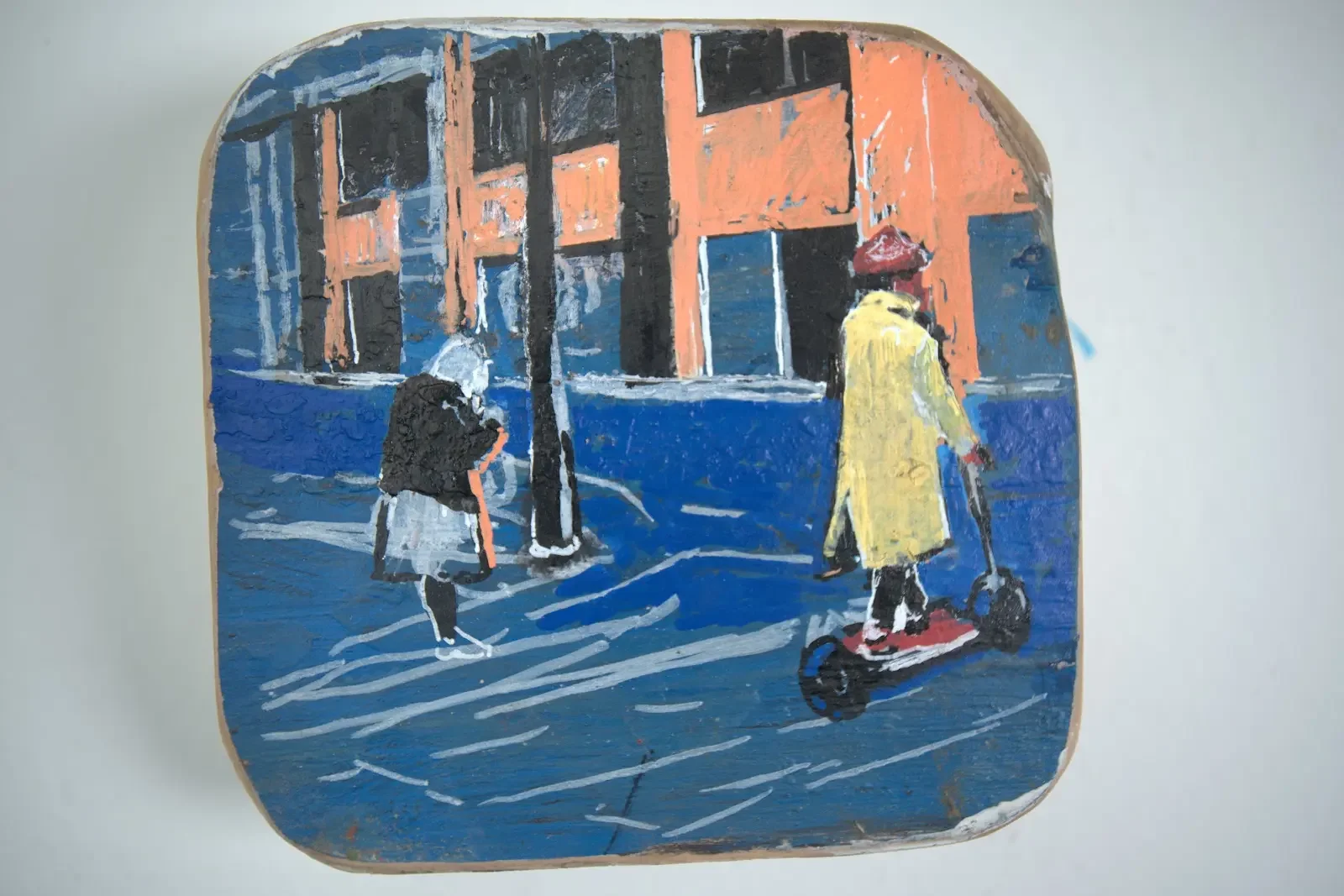
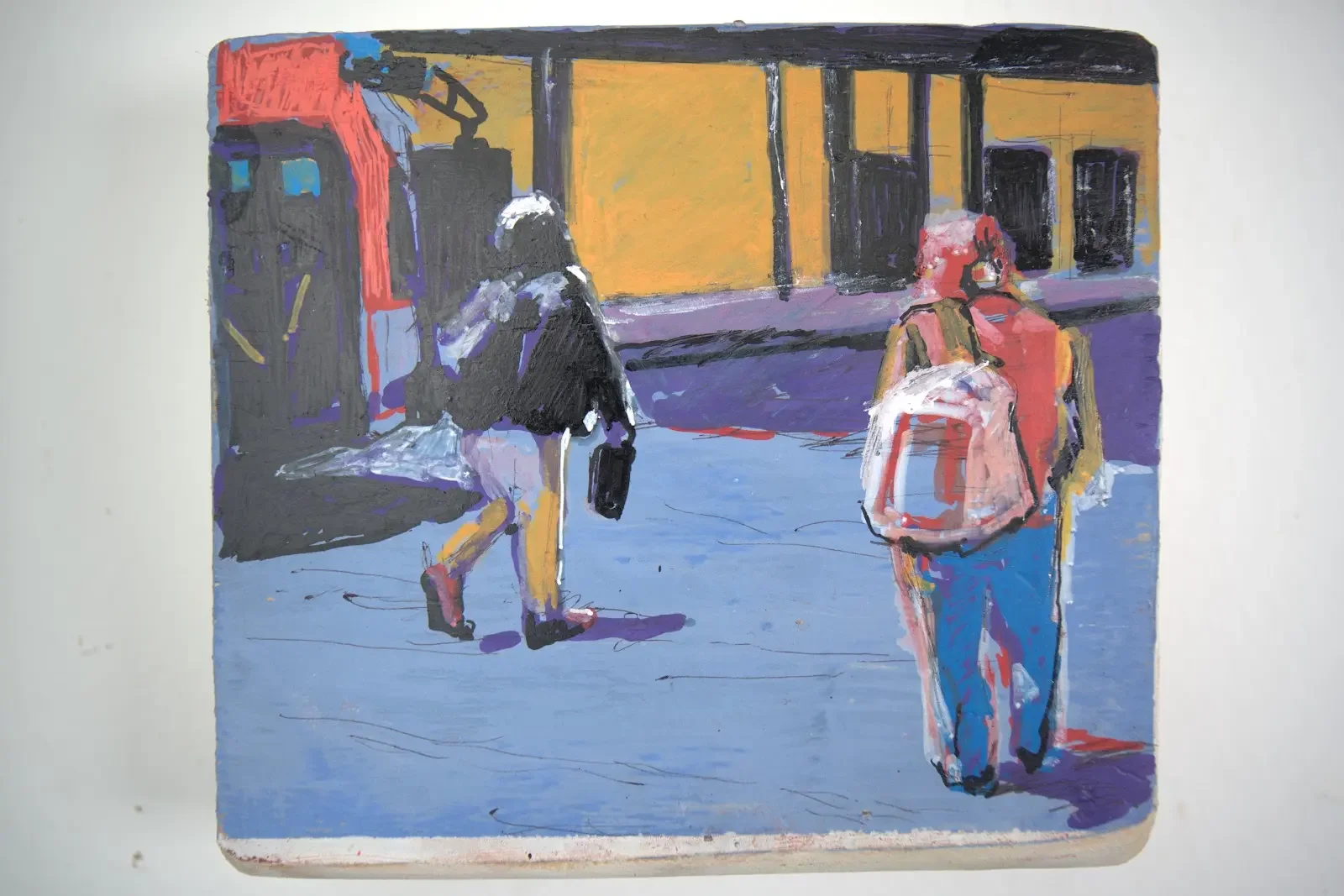
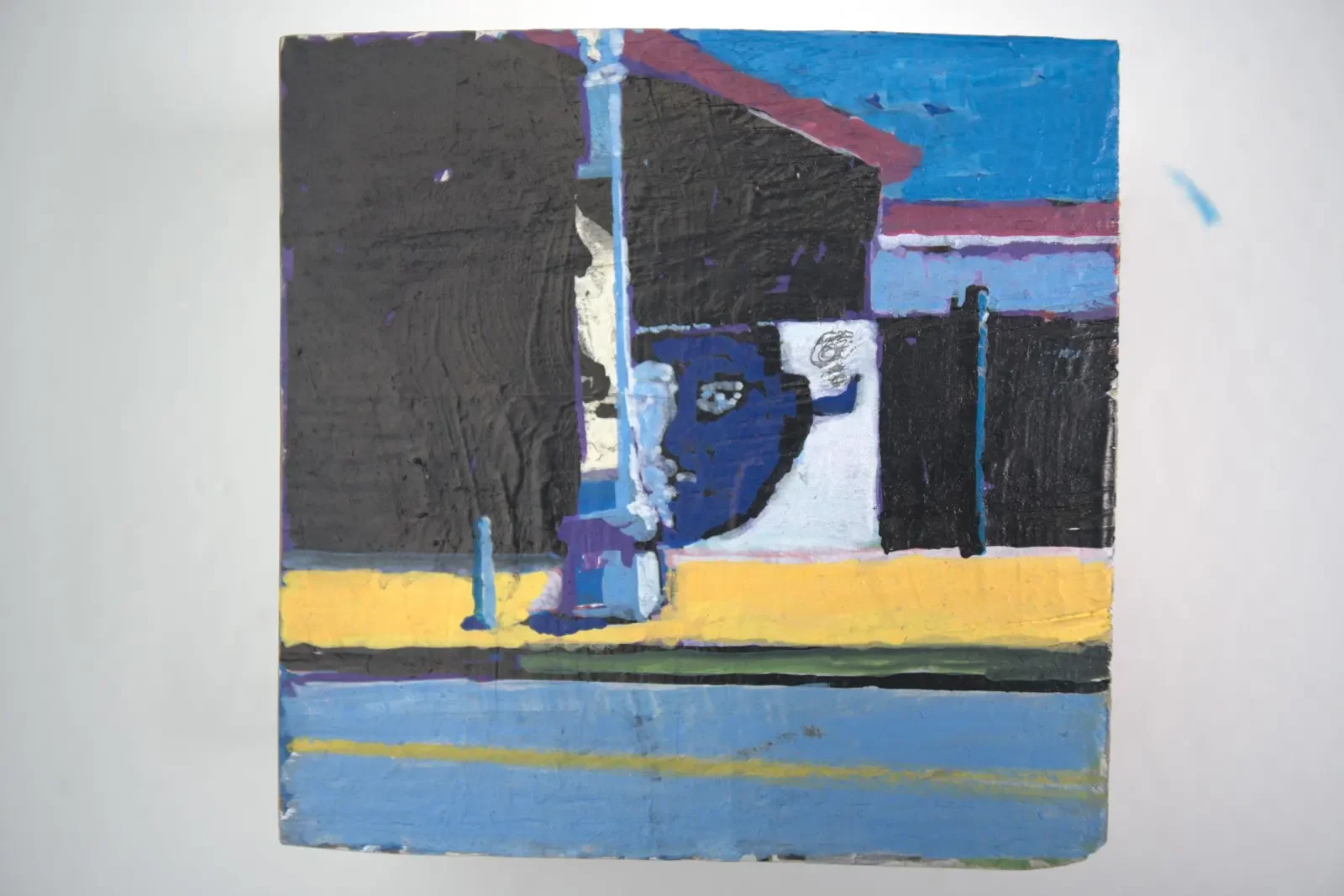
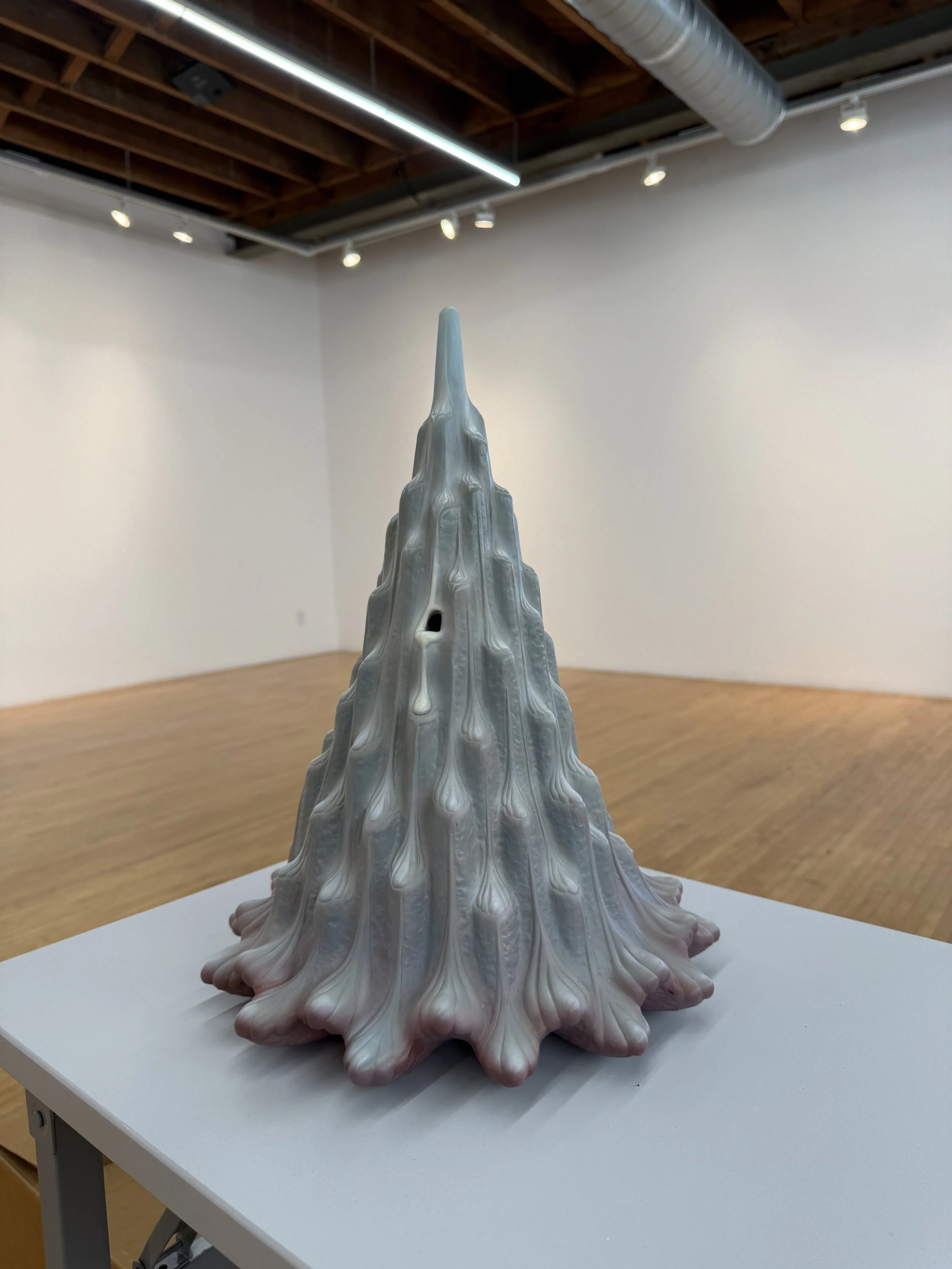
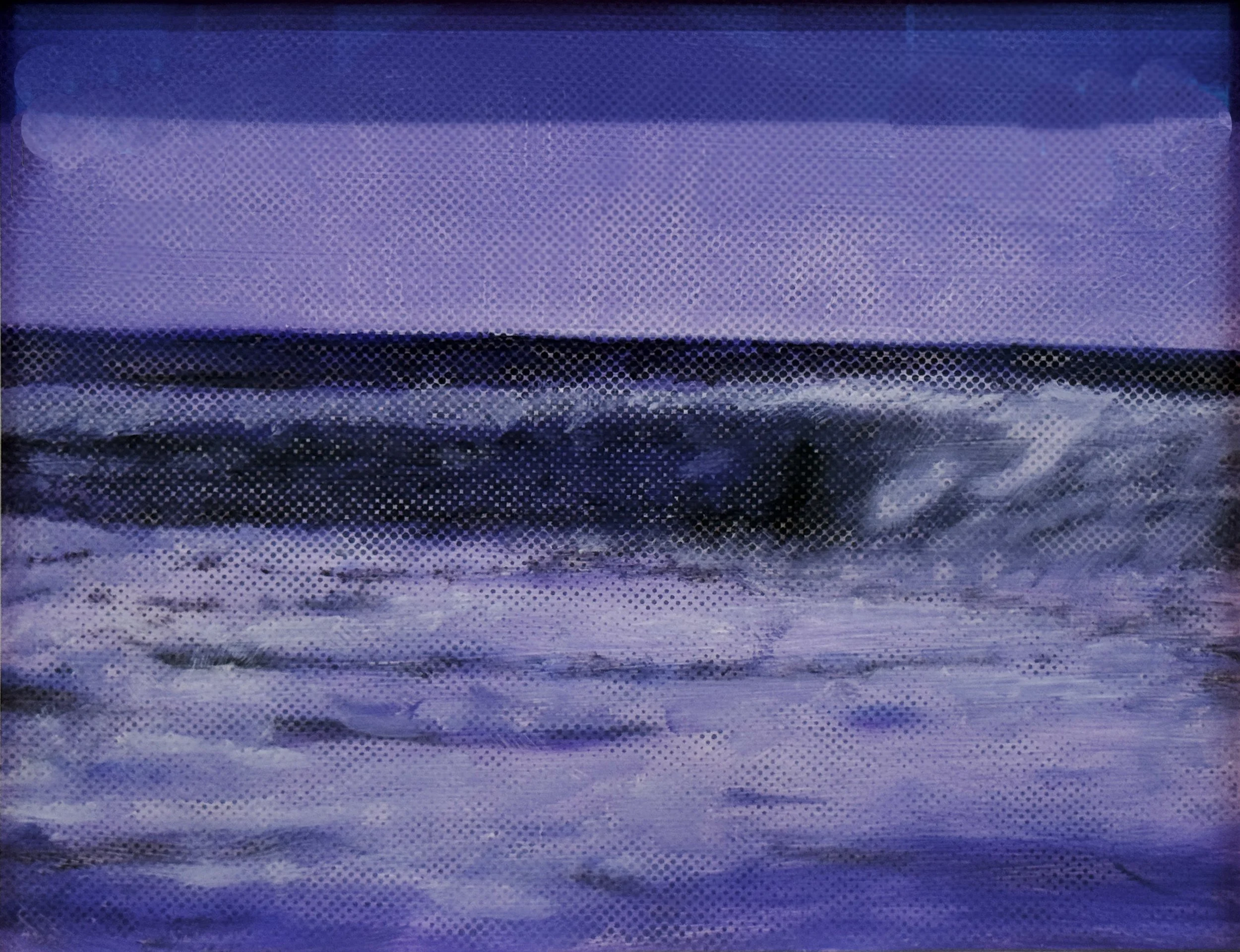
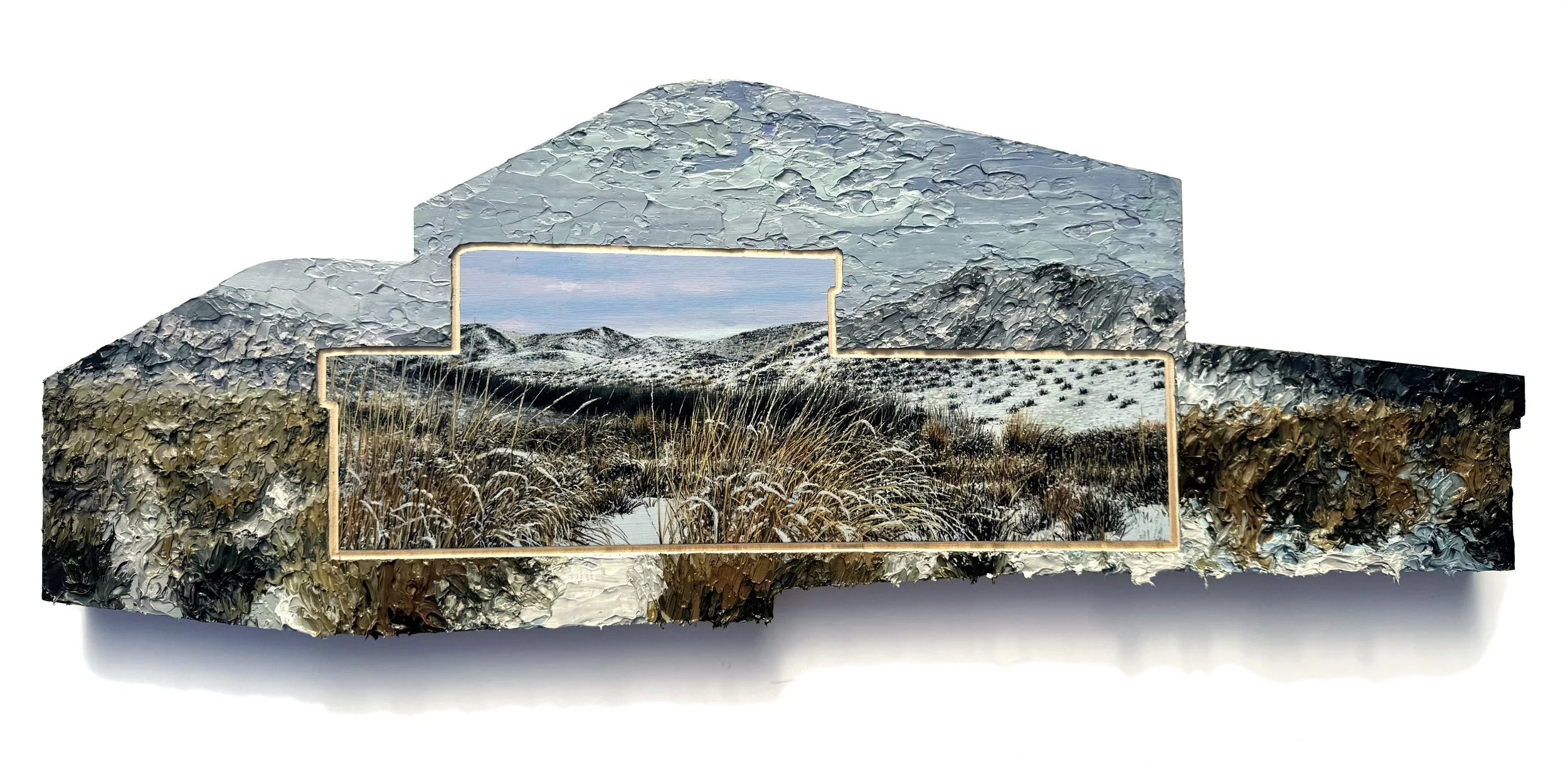
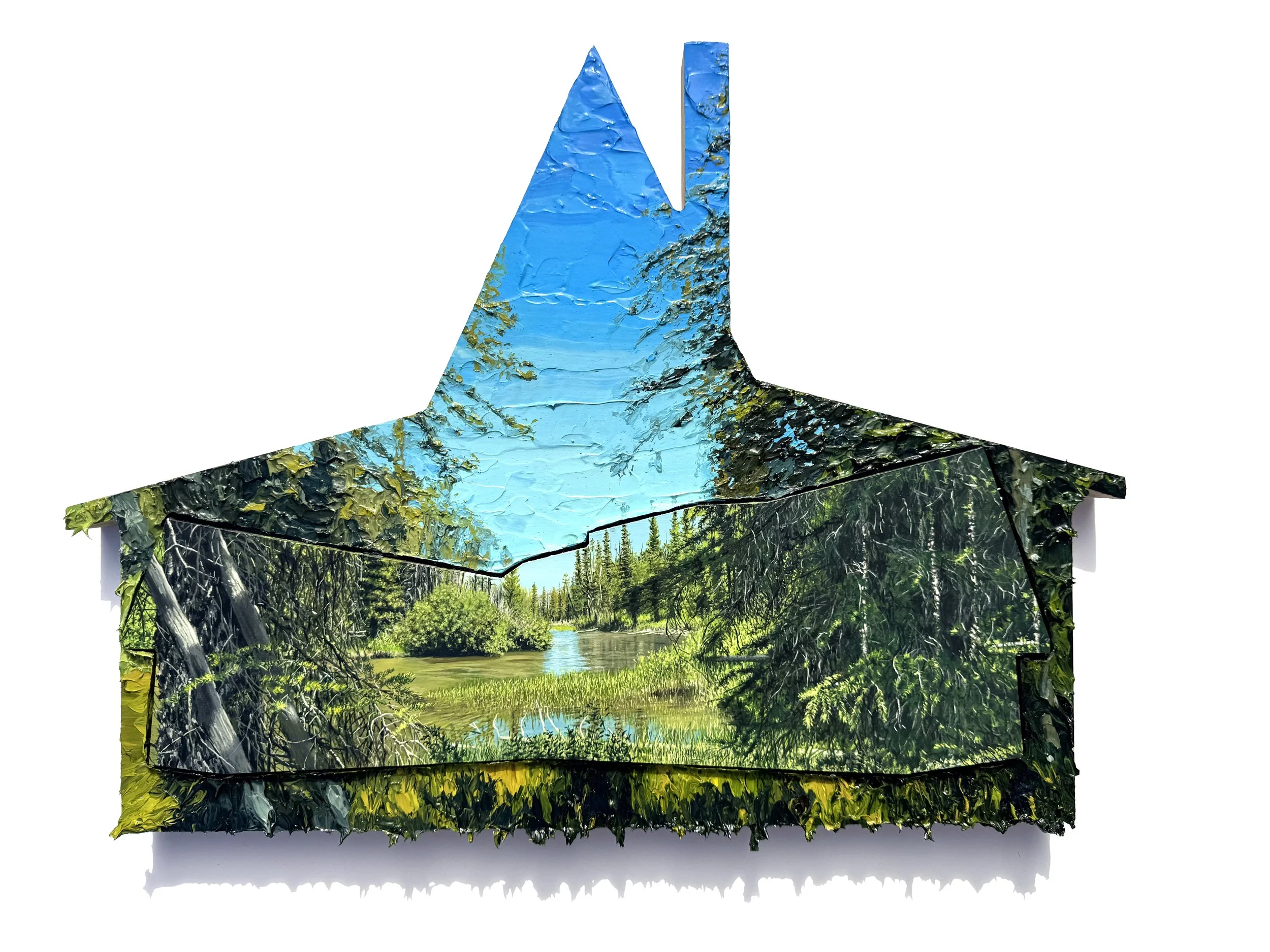
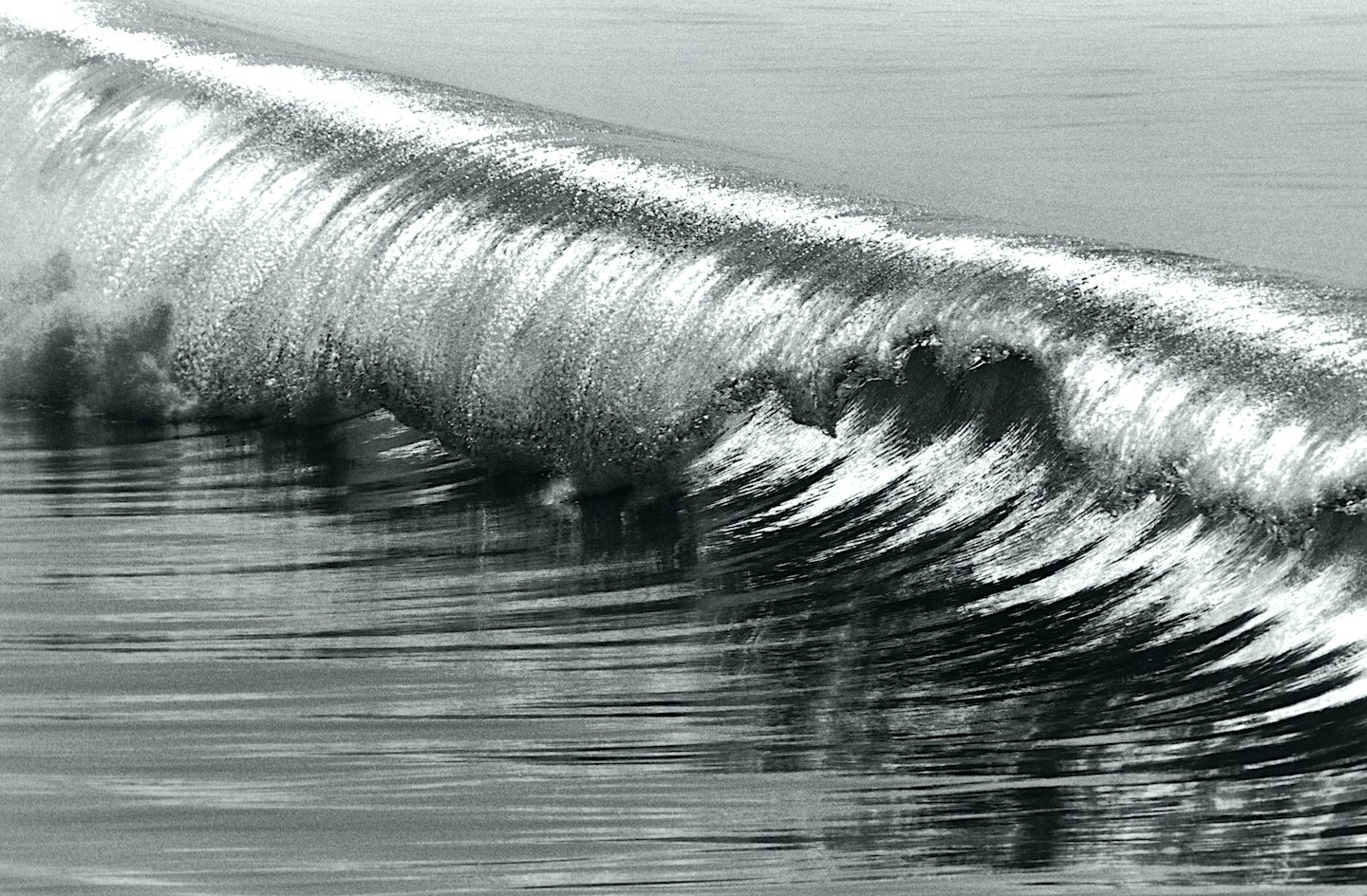
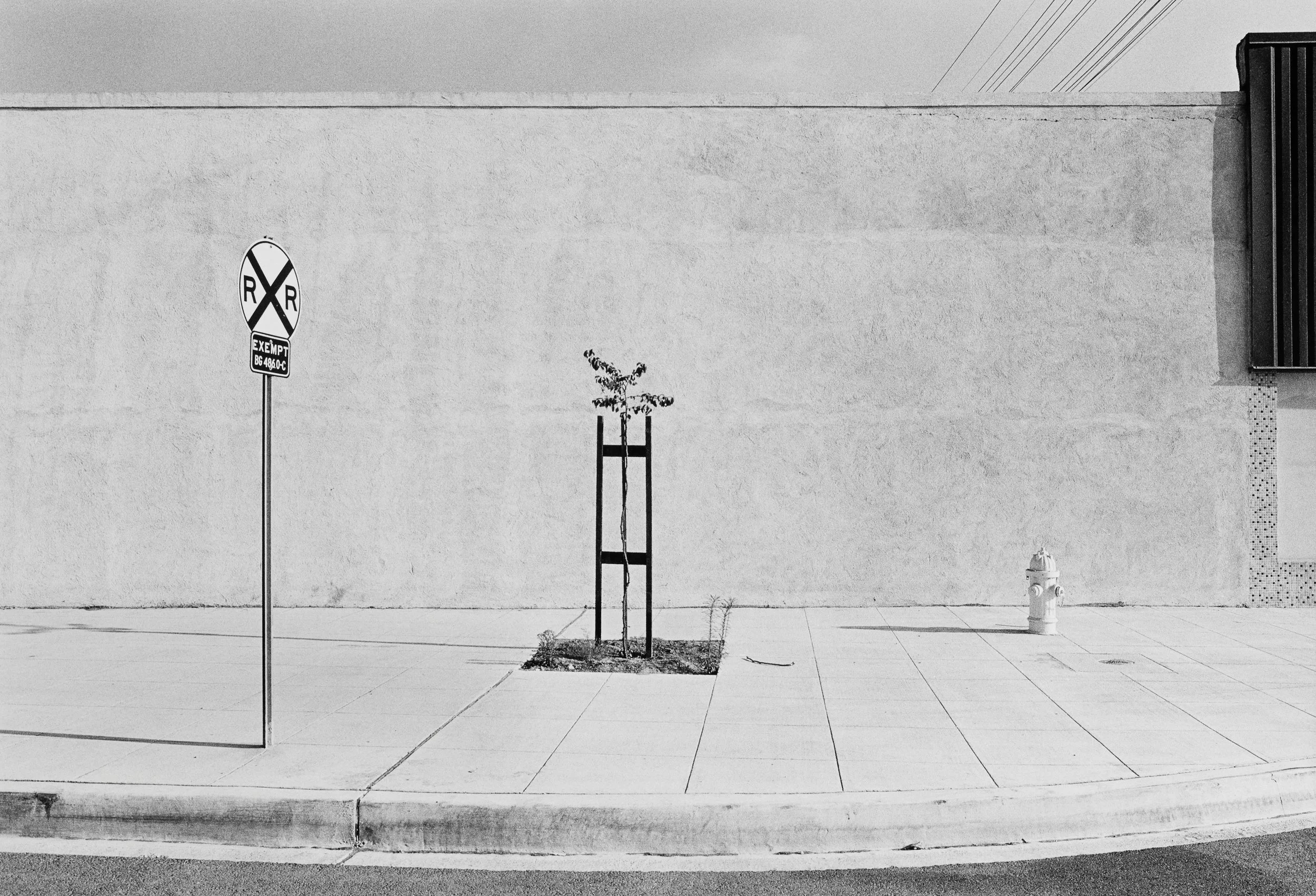
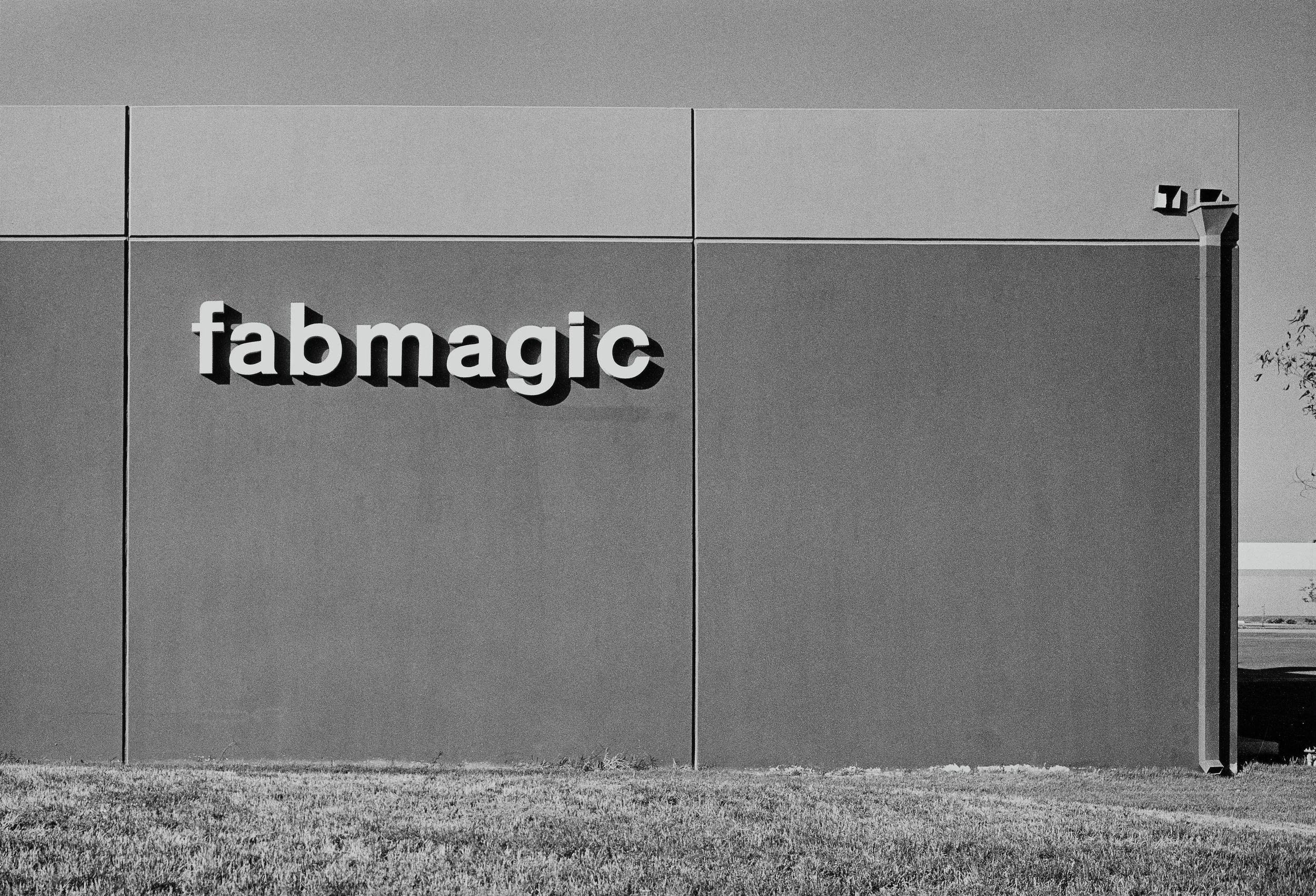
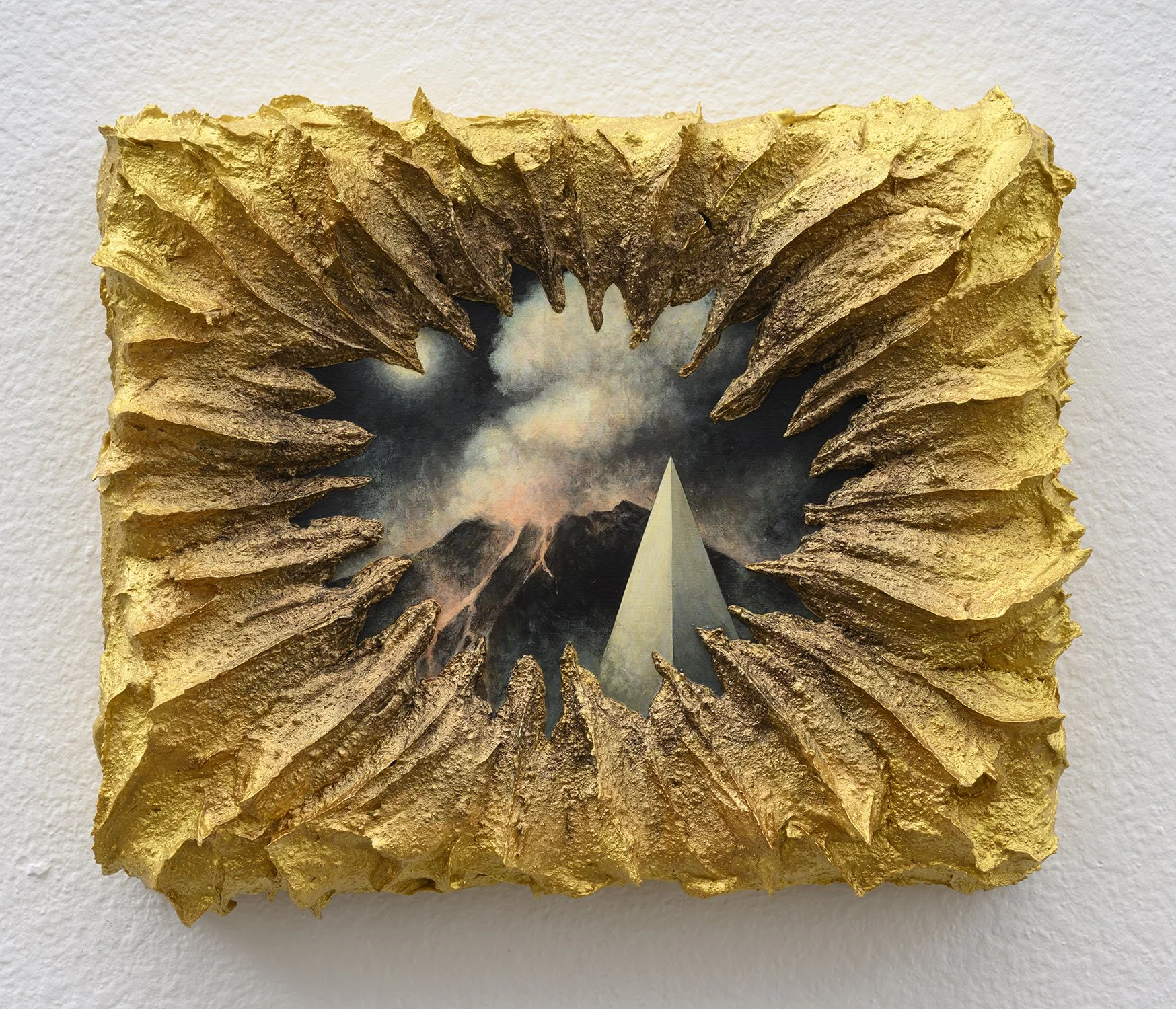
Los Angeles, CA — CMAY Gallery is pleased to announce ESCAPE, an exhibition bringing together over 40 contemporary artists whose works engage three enduring artistic themes: landscape, seascape, and cityscape.
To escape suggests release, movement, and the possibility of entering another condition of being. In art, escape does not necessarily mean flight from the world. More often, it offers an invitation to enter another way of seeing it.
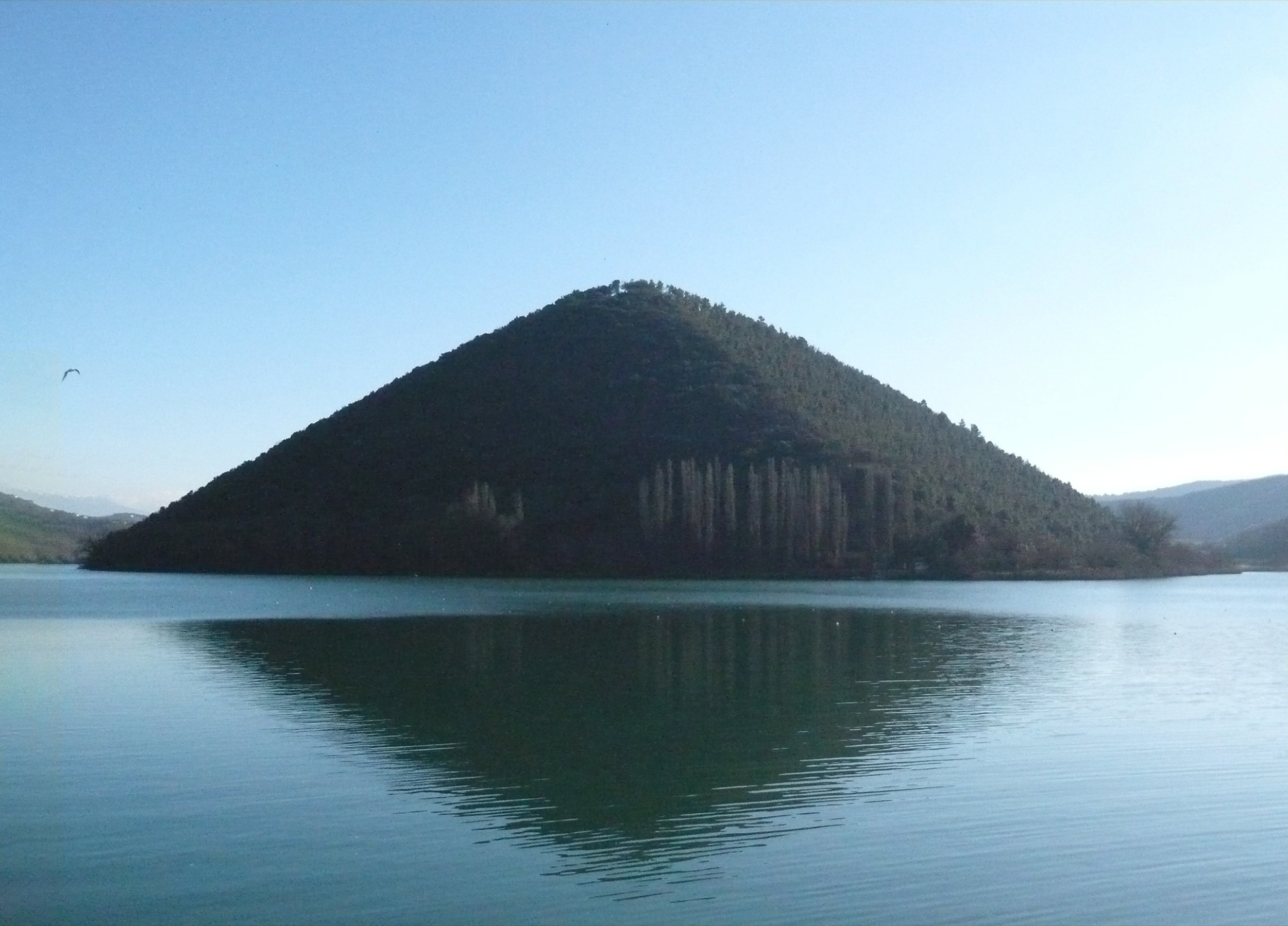
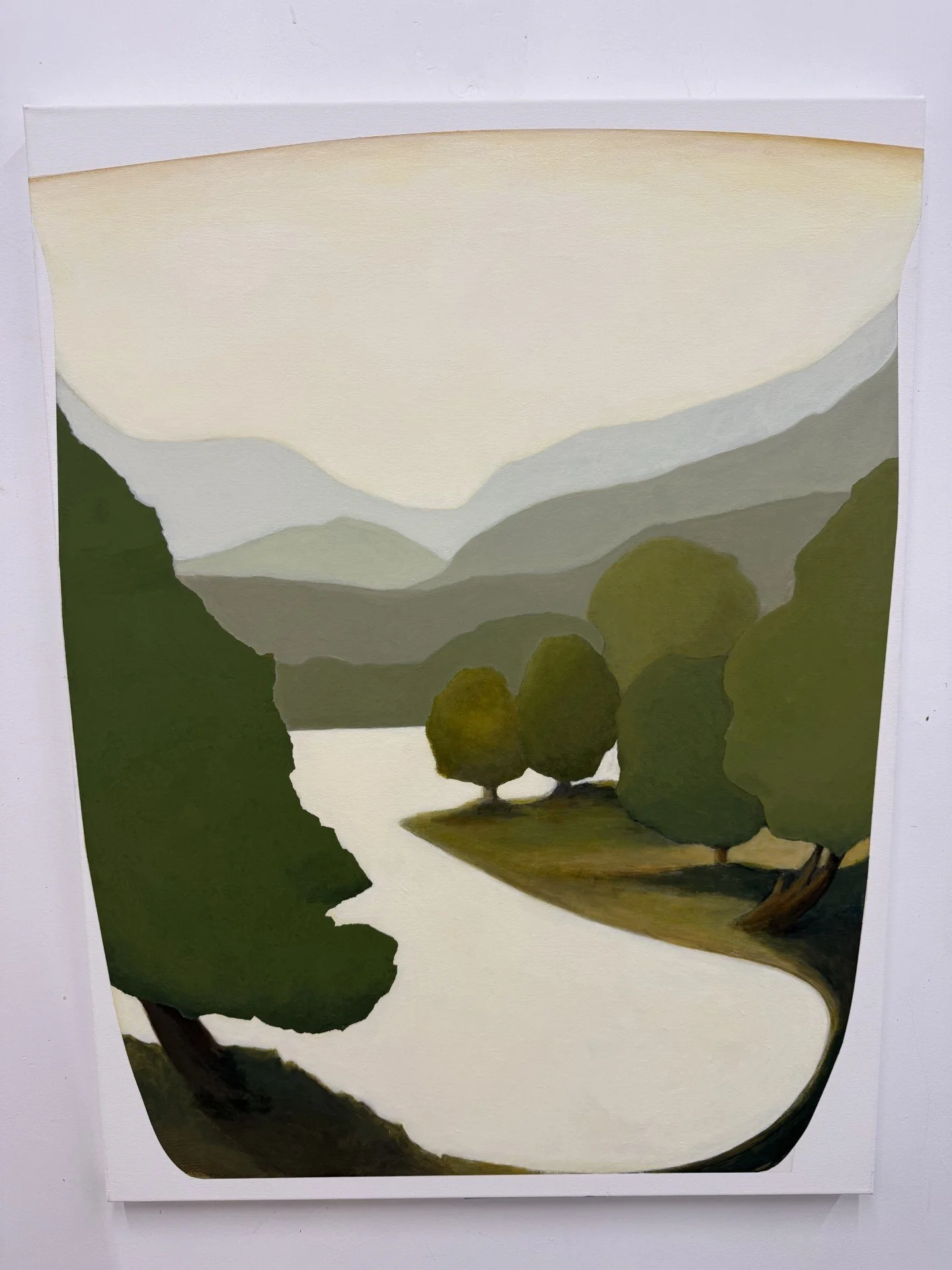
The idea of escaping one’s own reality into the realm of the artist is a powerful and longstanding part of artistic practice. For thousands of years, artists have depicted the landscape as a way to transport viewers beyond the immediate facts of daily life. Over time, this impulse expanded into related traditions of seascape and cityscape. Each of these genres has changed dramatically in style, subject, and intention, yet all have consistently offered viewers a passage into another realm of perception.
A painting, photograph, sculpture, or moving image may depict a familiar place, but it is never simply the place itself. It is the world as seen, interpreted, transformed, and reimagined by the artist.
In this sense, art allows us to momentarily escape our own reality and enter the reality of another. The viewer is not removed from the world so much as given access to a different version of it. The external landscape becomes an internal one. A city, shoreline, mountain, desert, or open field becomes a site of memory, imagination, atmosphere, and emotional projection. Through the artist’s hand, the known world becomes strange again, and the ordinary becomes charged with possibility.
ESCAPE was inspired by a conversation between curator Carl Berg and artist Jeremy Kidd. Kidd observed that he had been seeing a renewed interest in landscape painting and felt the subject offered strong possibilities for an exhibition. Berg had organized landscape exhibitions in the past, often focusing on Los Angeles and the surrounding region, but the subject was not then at the forefront of his curatorial thinking. That conversation brought the idea back into focus, and from there the exhibition began to take shape.
For Berg, curating requires remaining open to ideas wherever they appear. A conversation, an observation, an artwork, or a passing comment can become the beginning of an exhibition. At the same time, an idea must be interpreted, expanded, and reshaped through the curator’s own point of view.
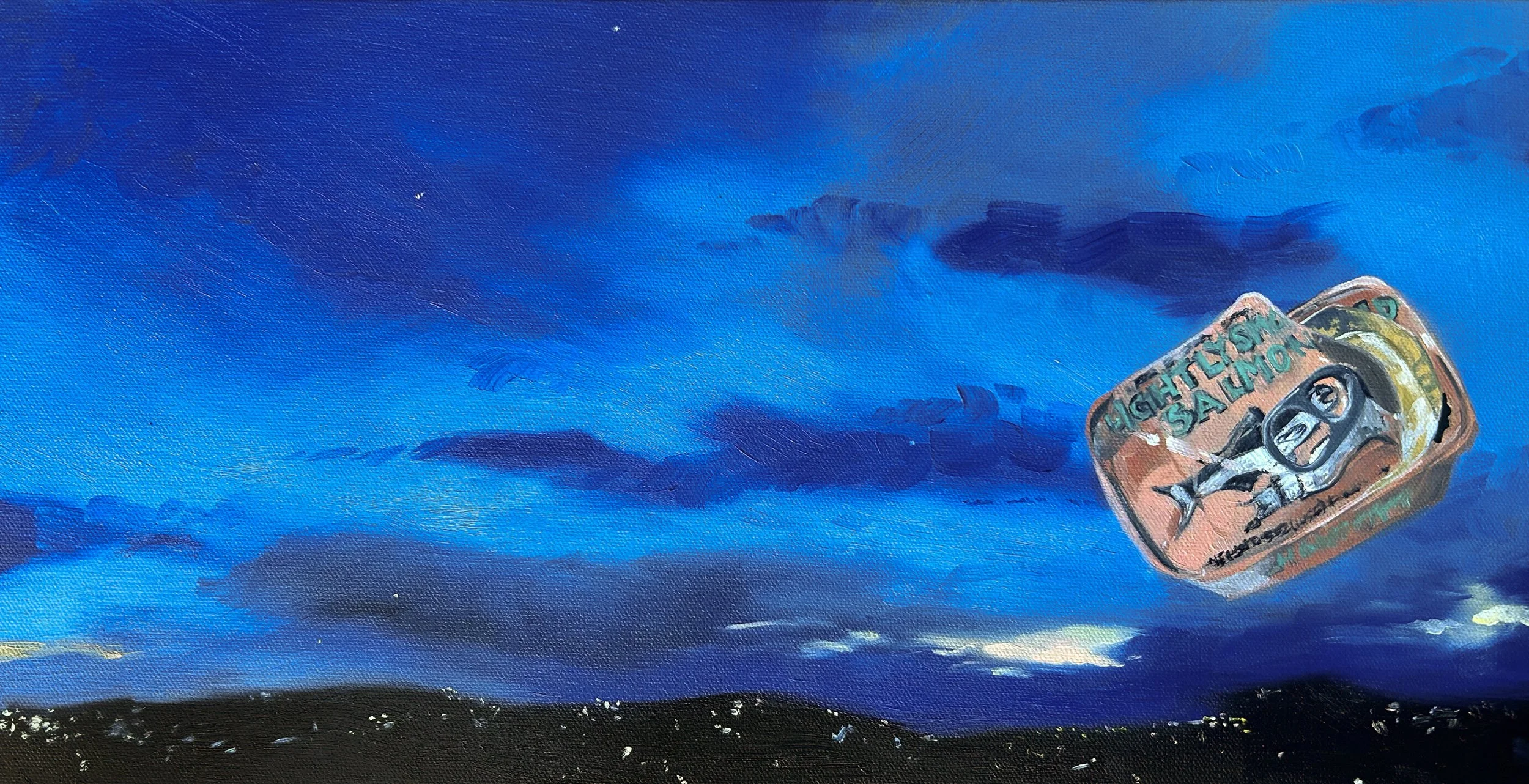
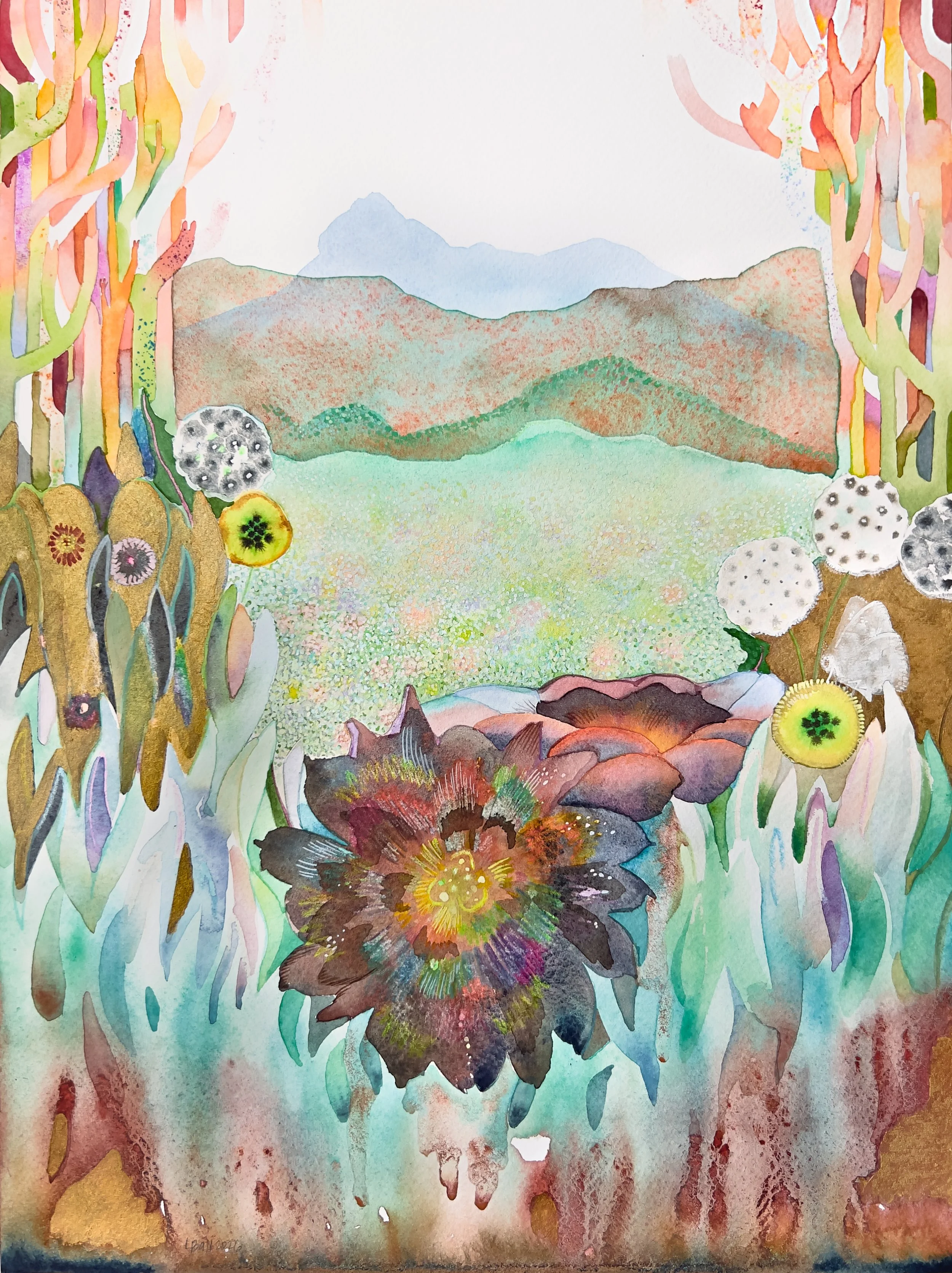
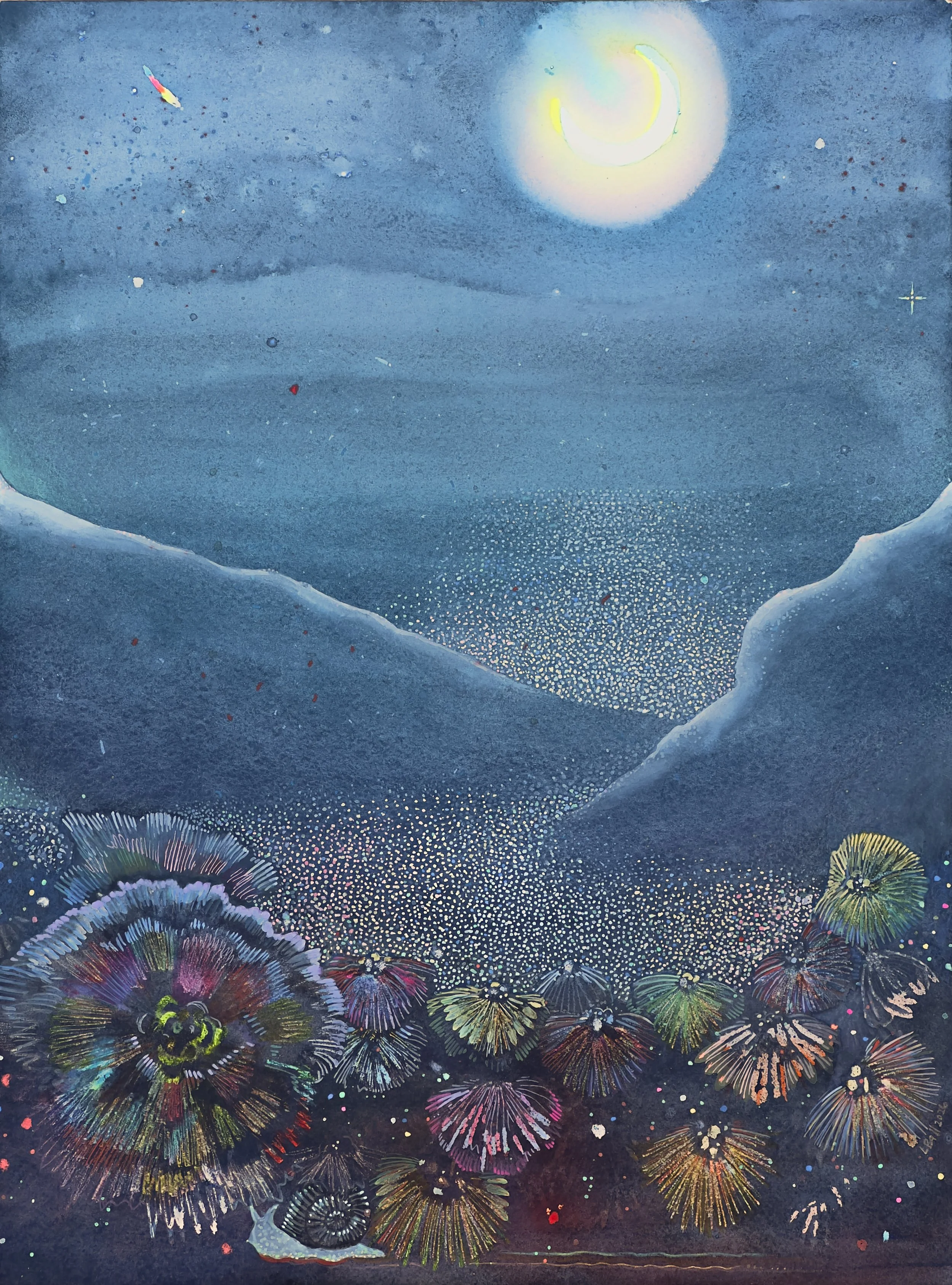
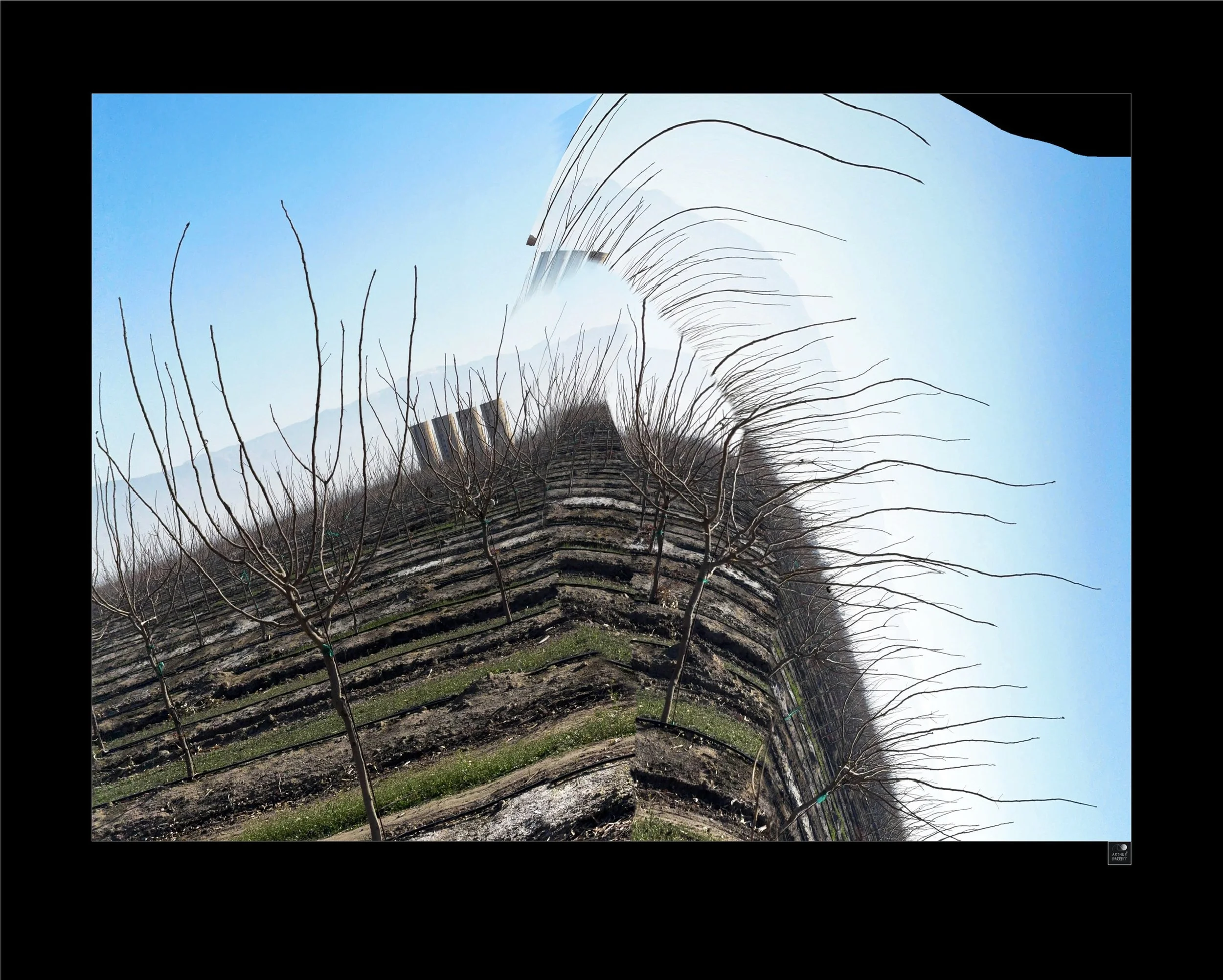
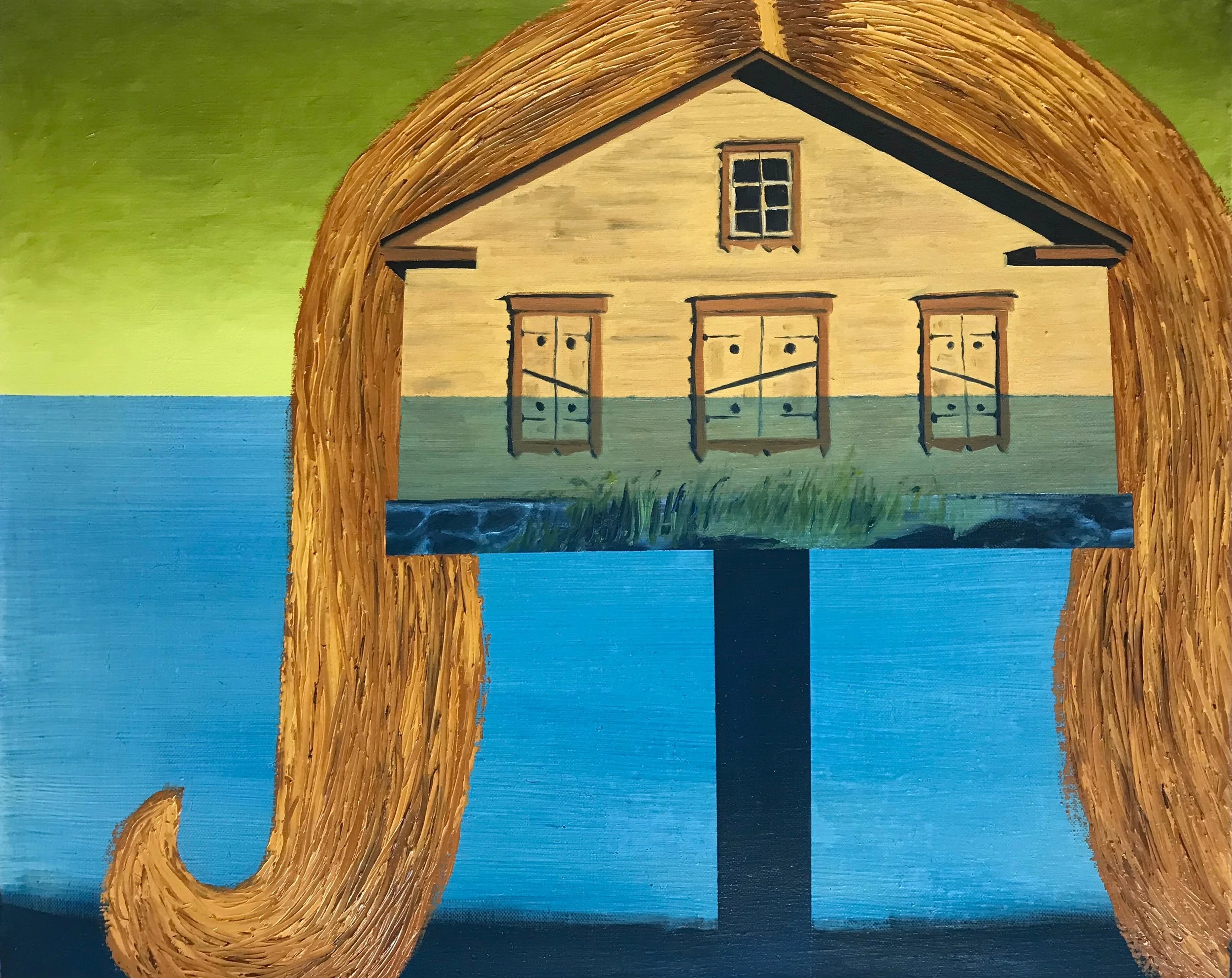
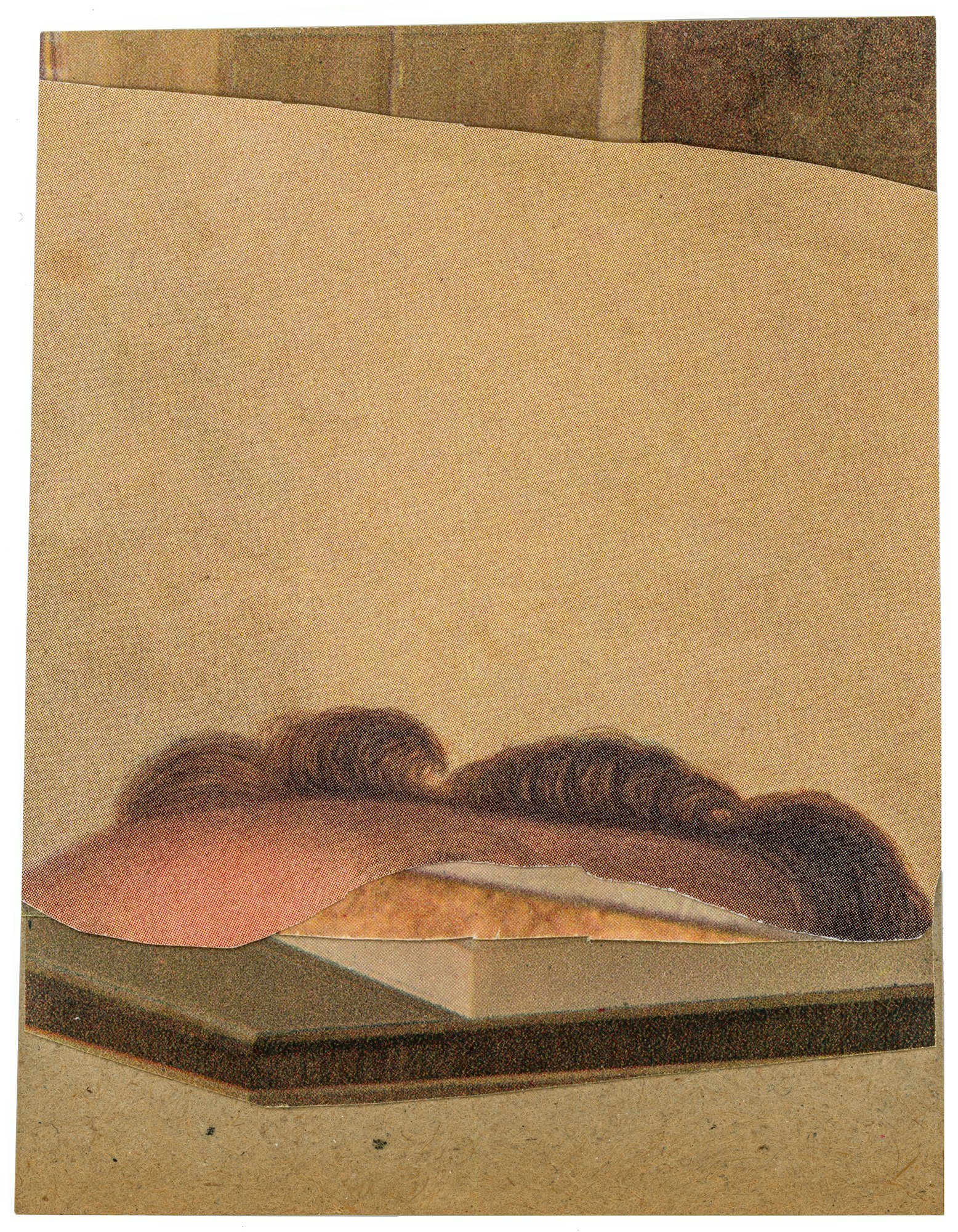
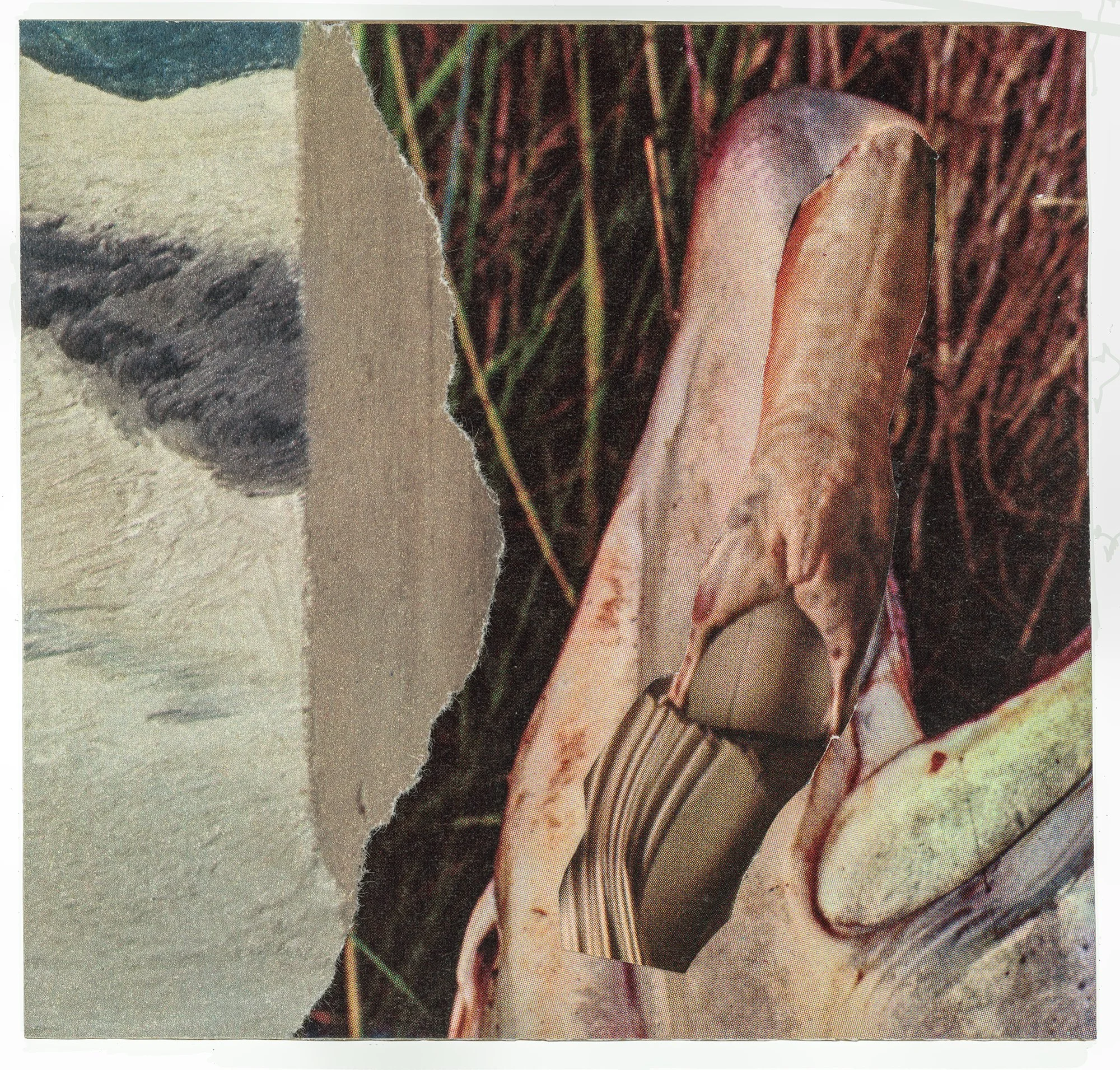
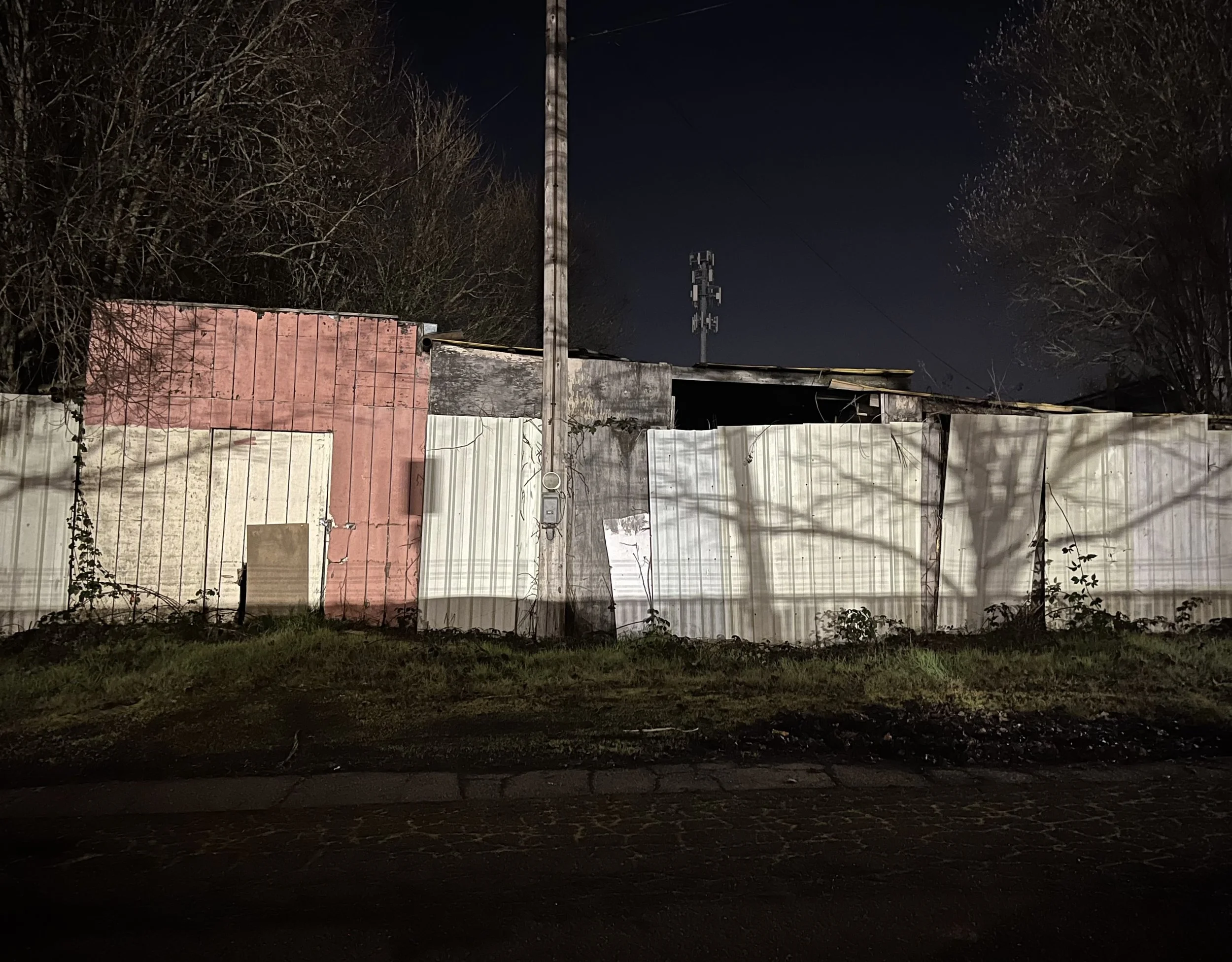
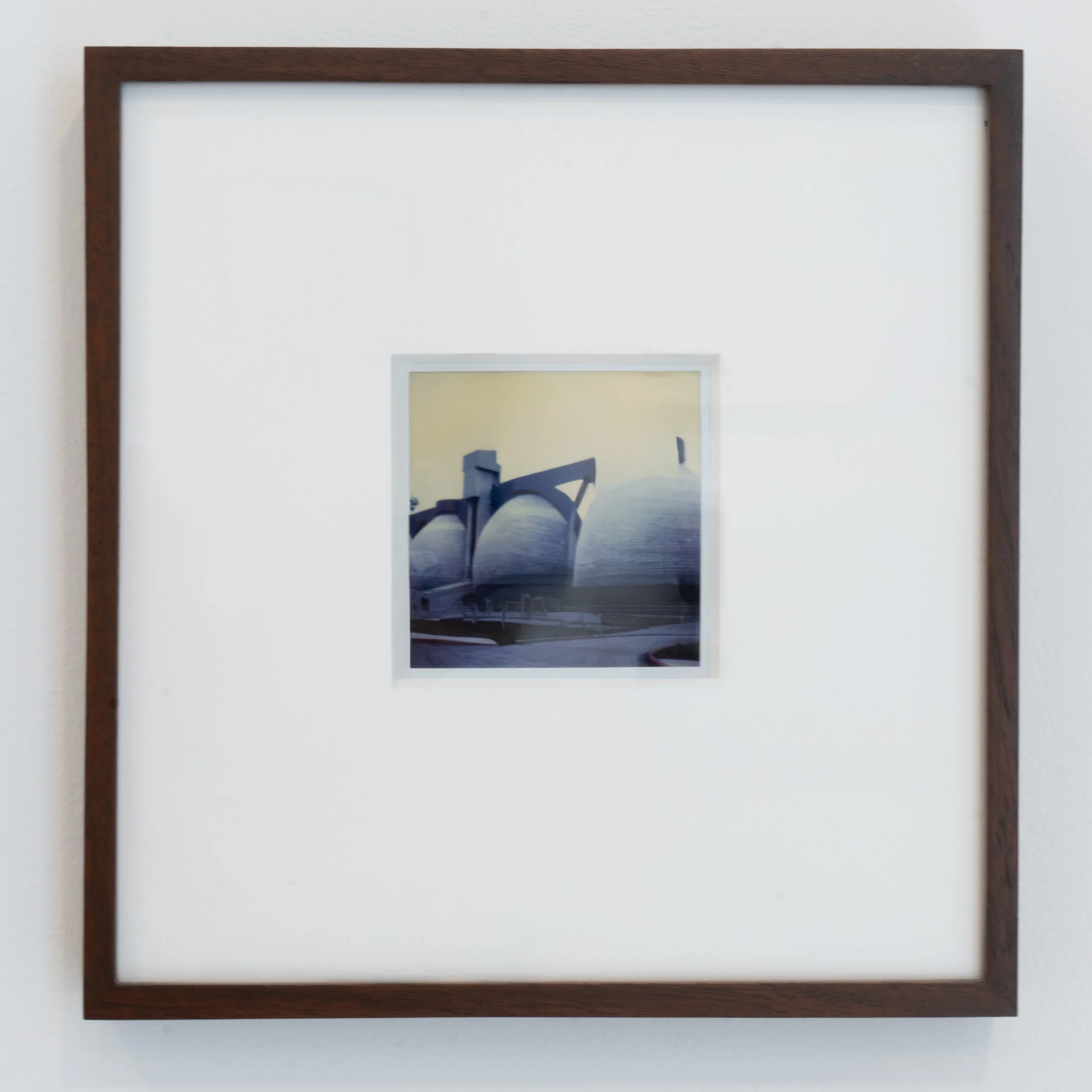
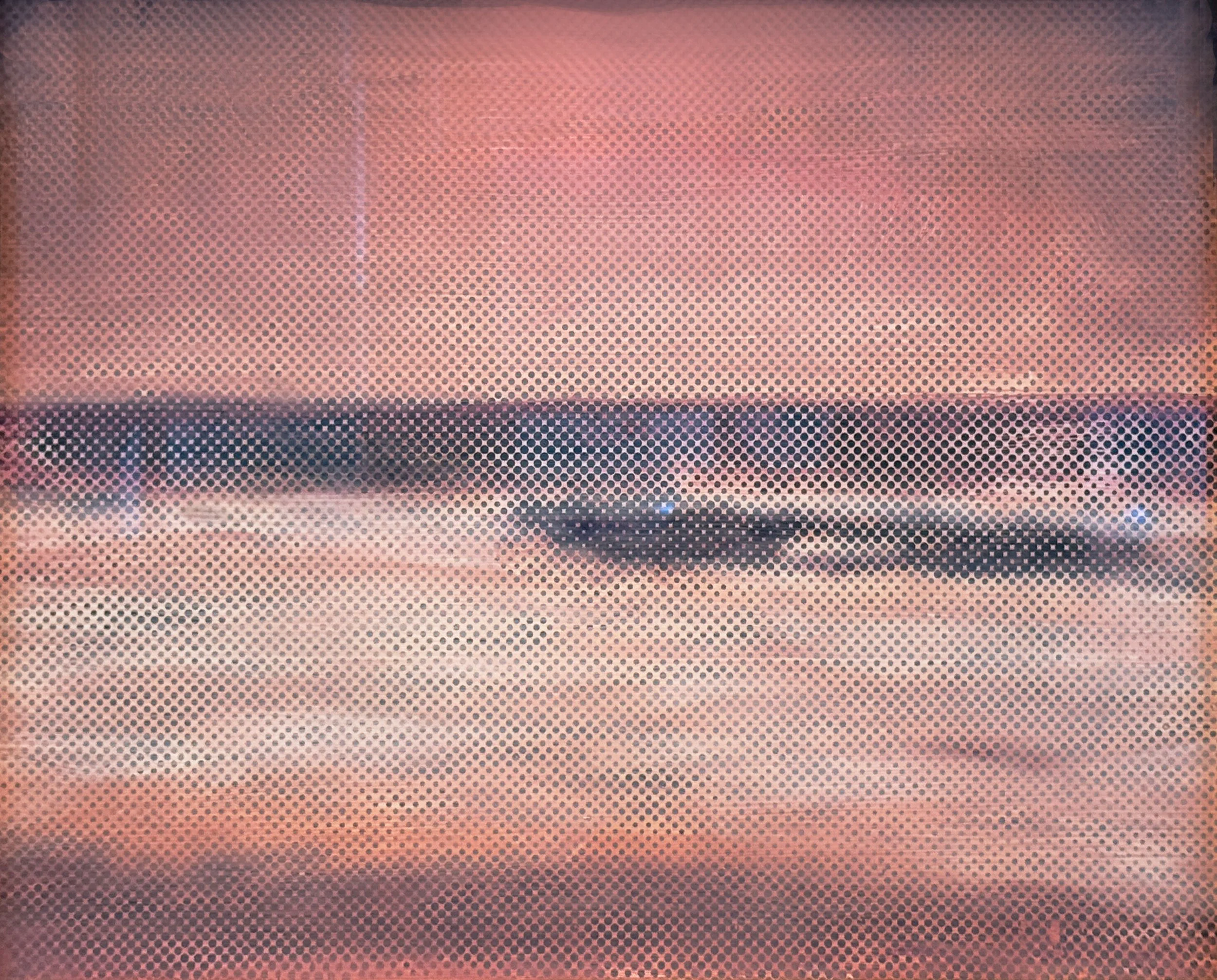
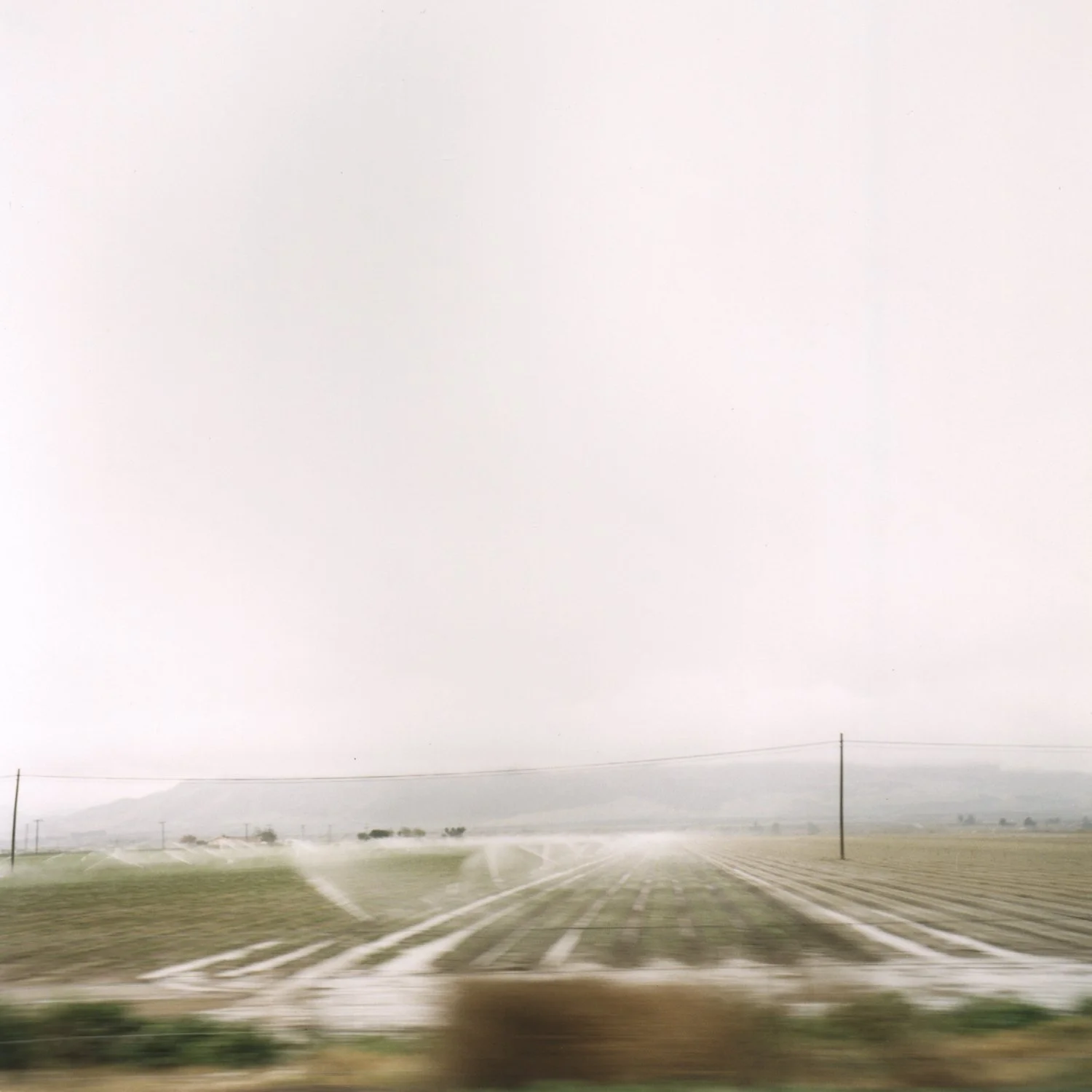
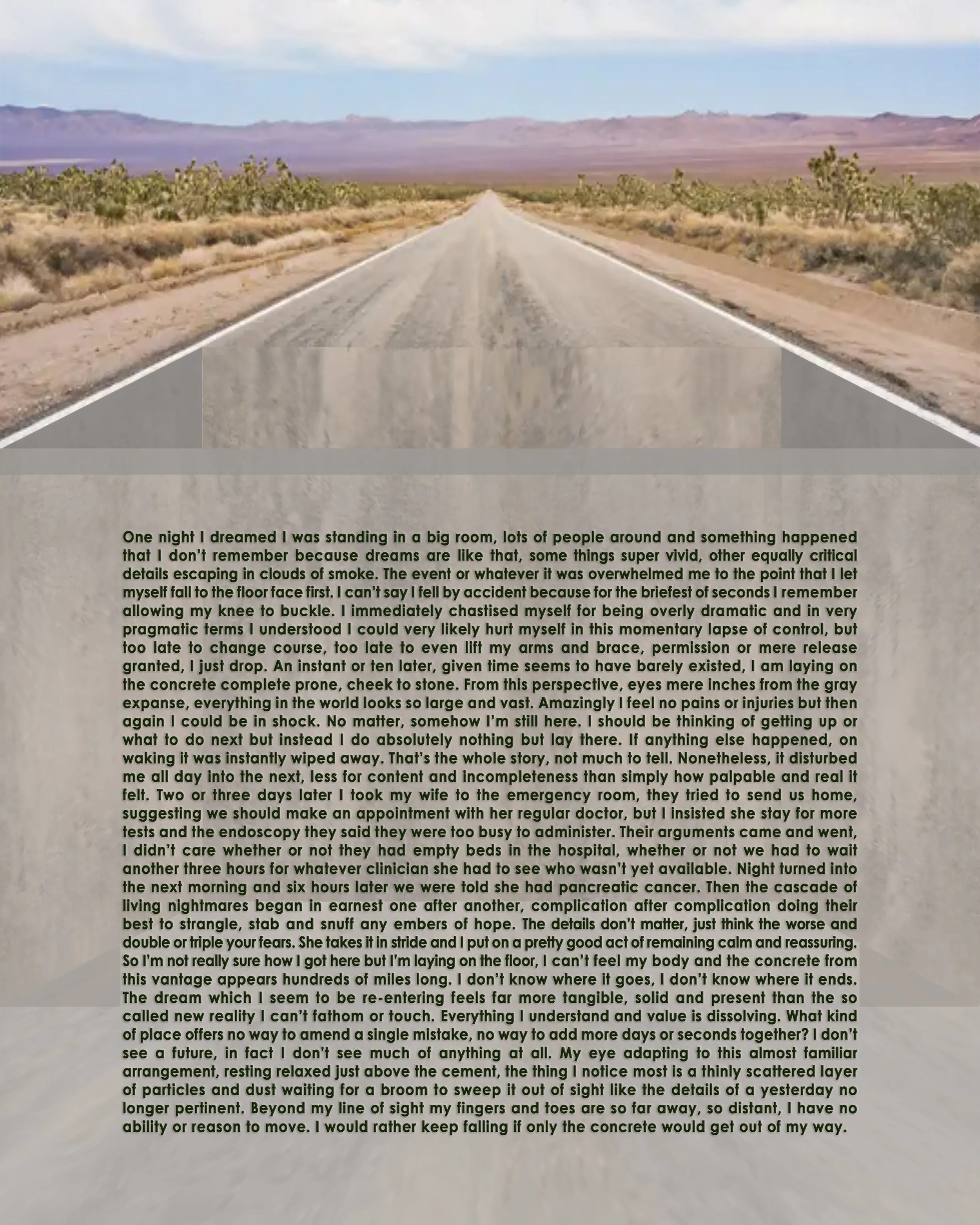
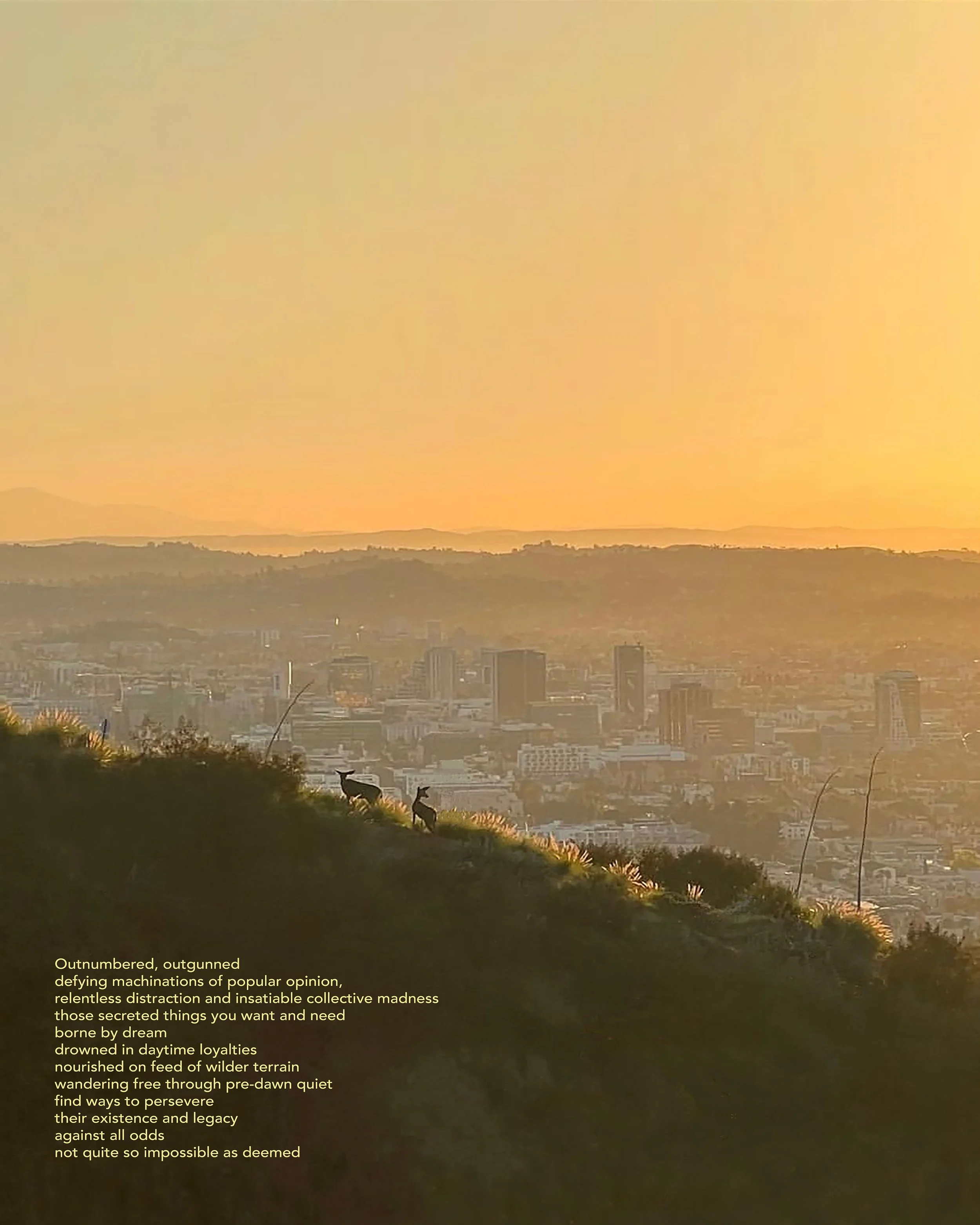
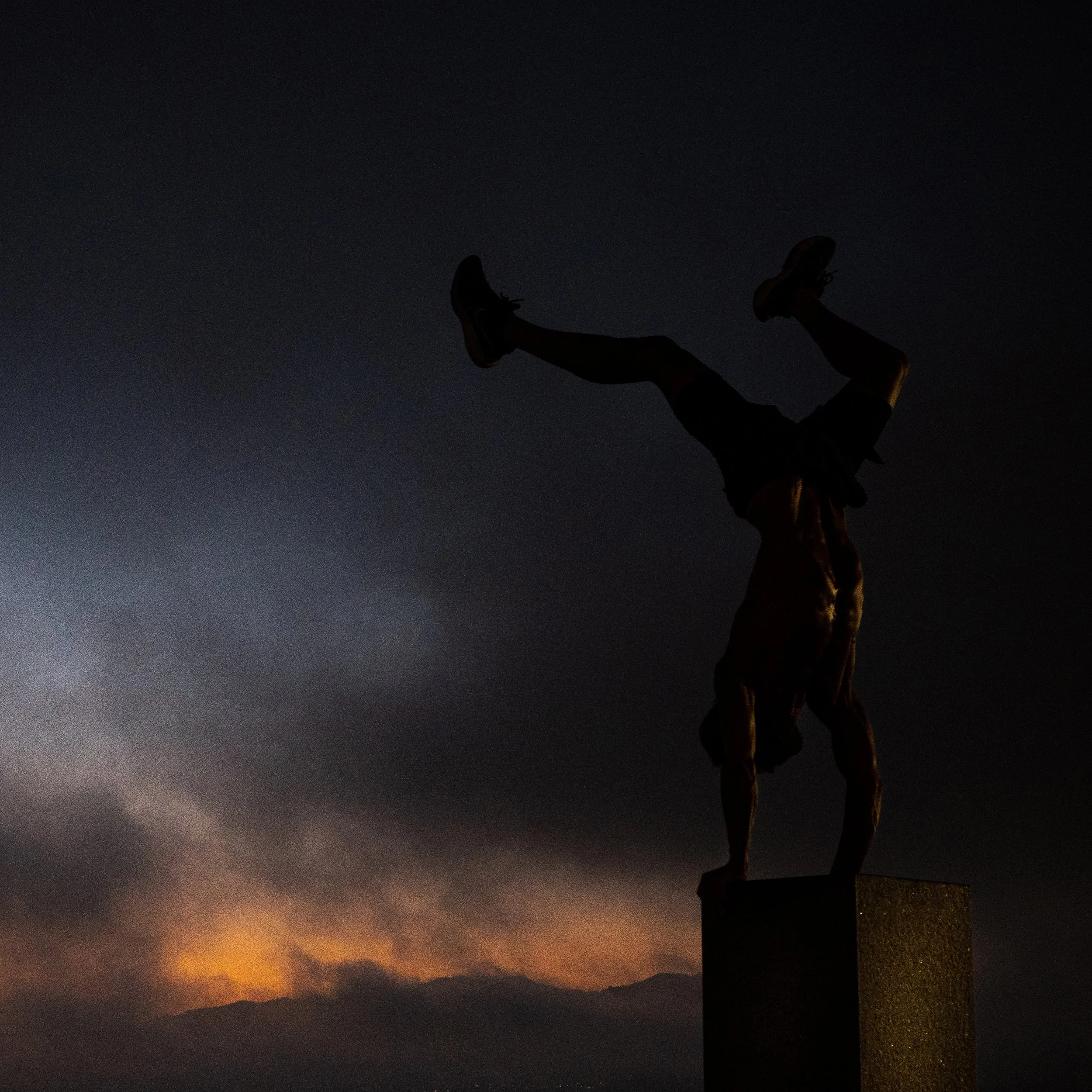
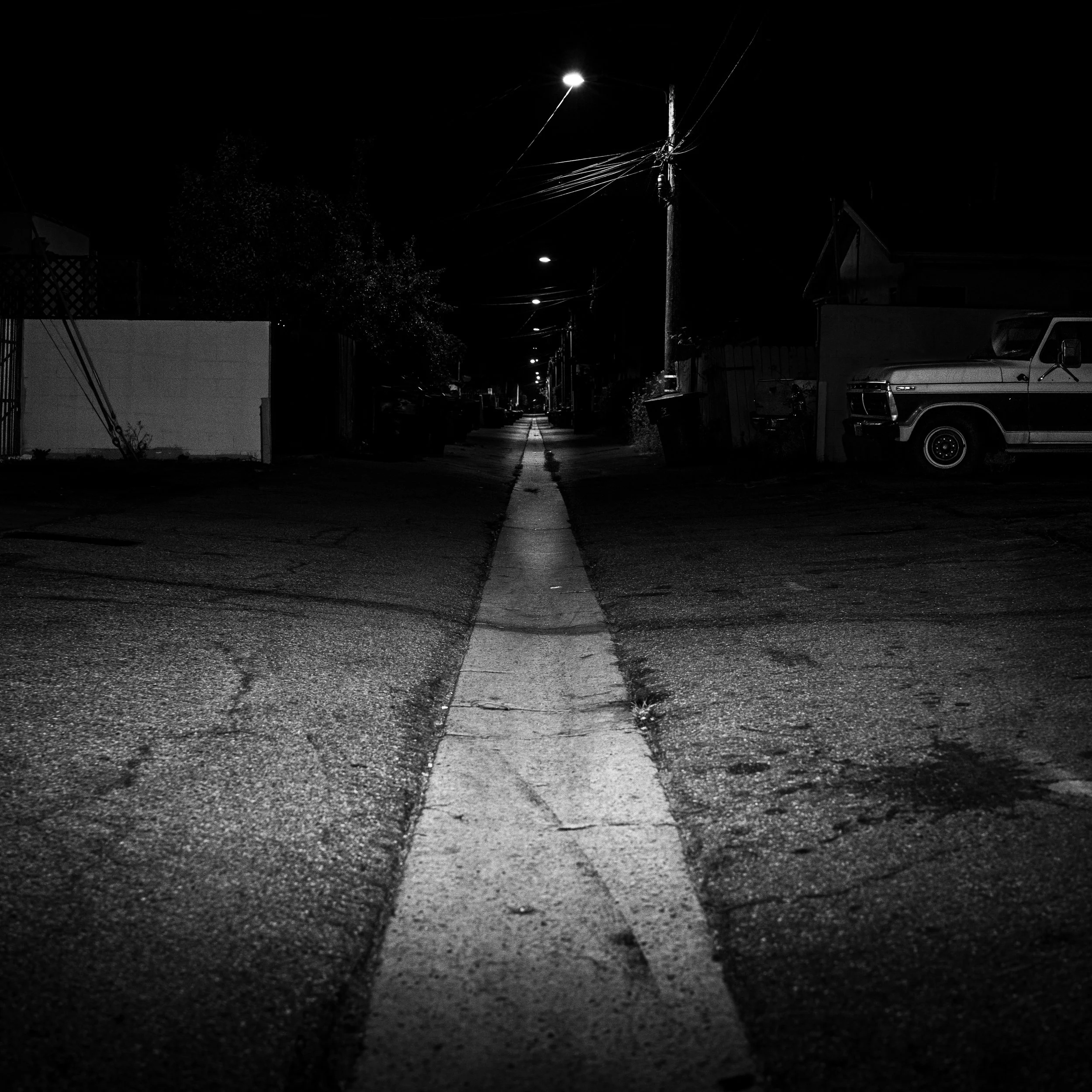
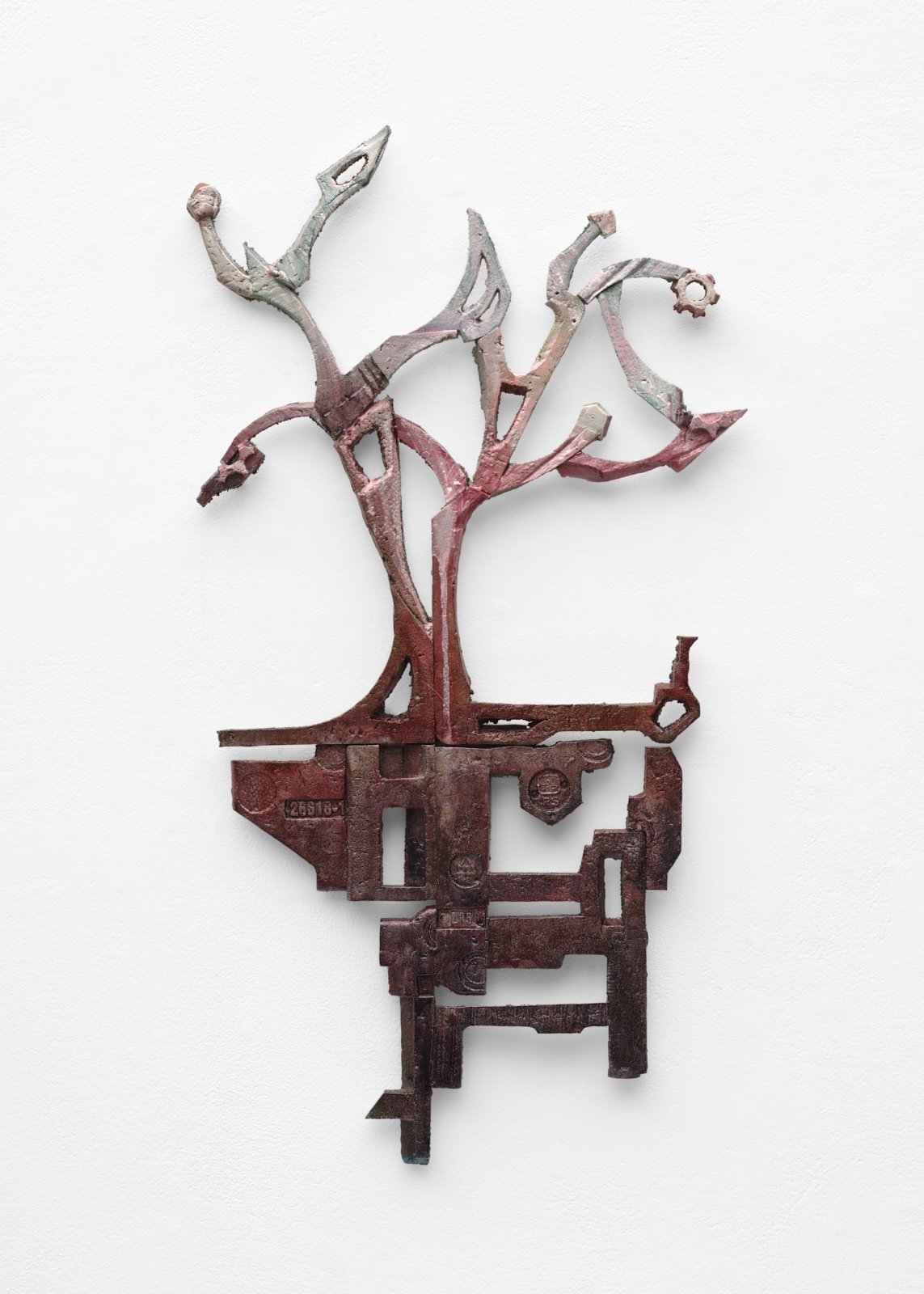
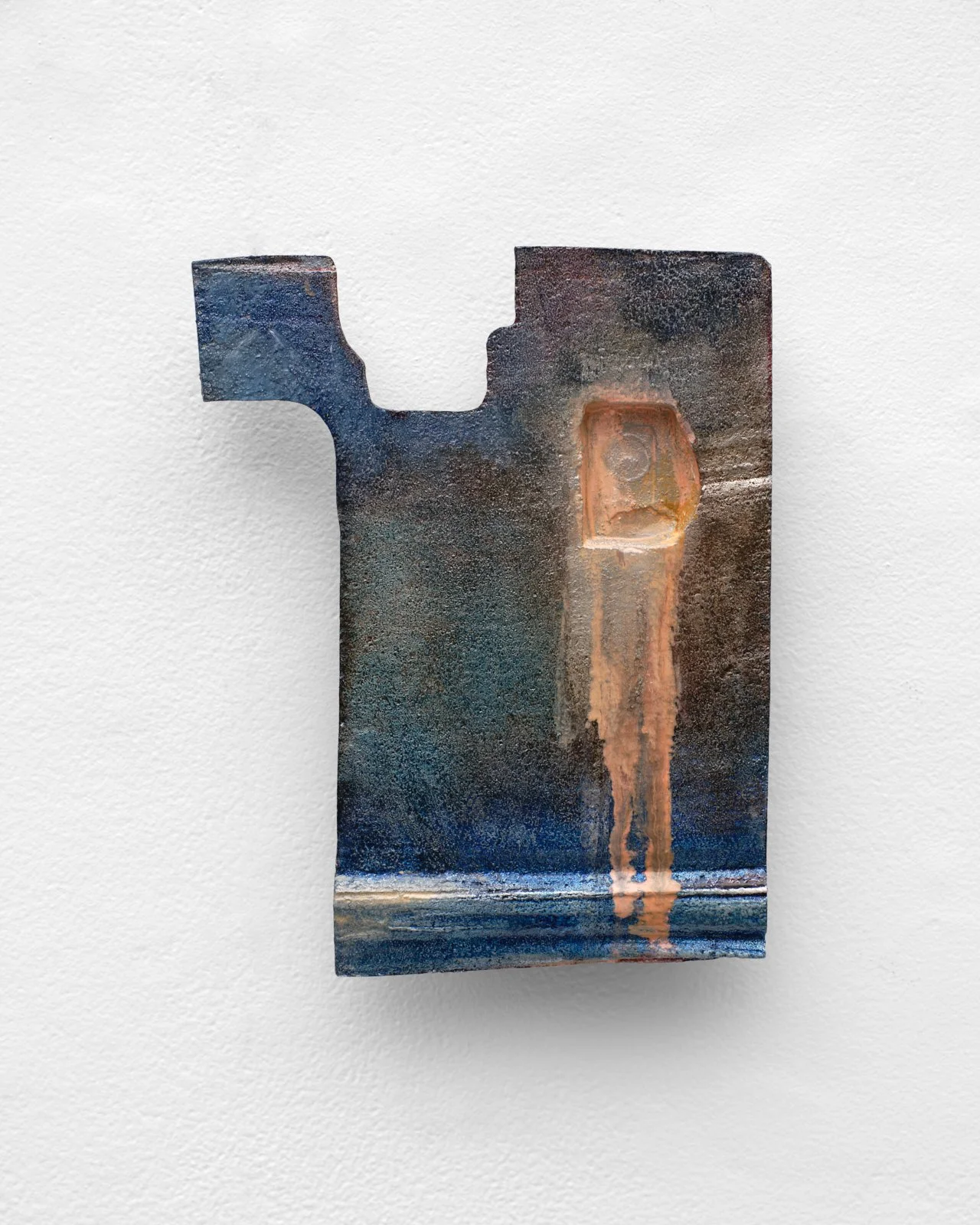
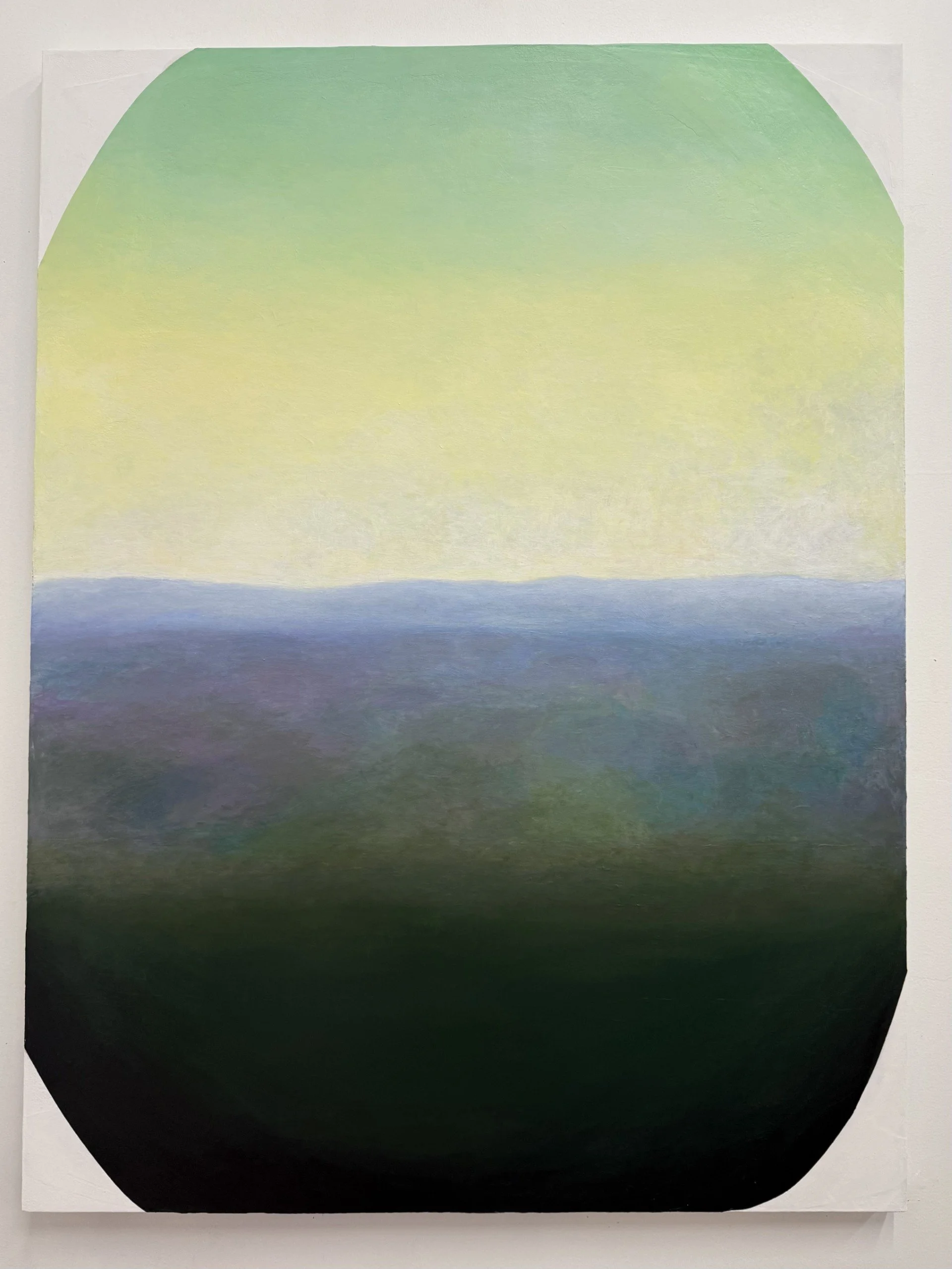
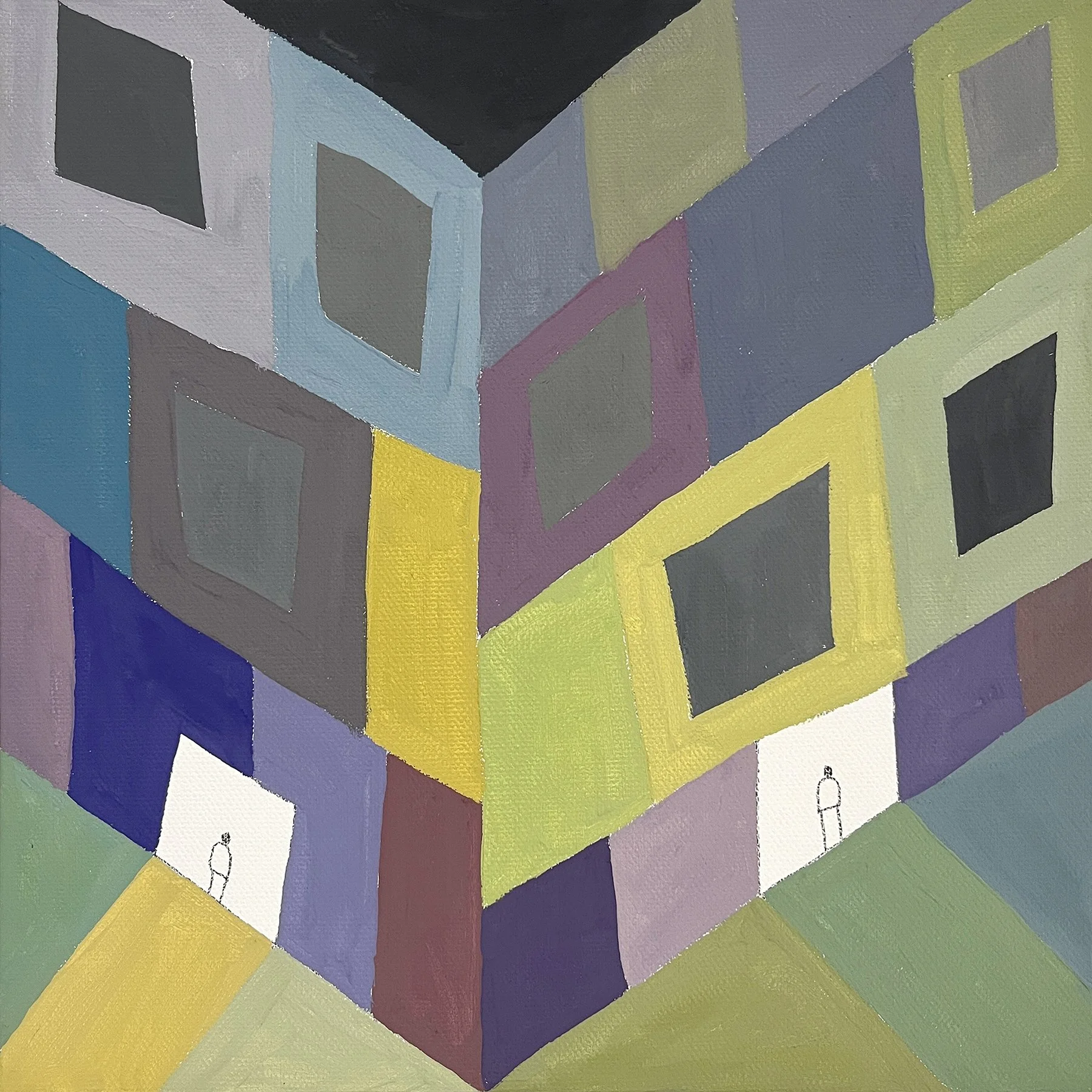
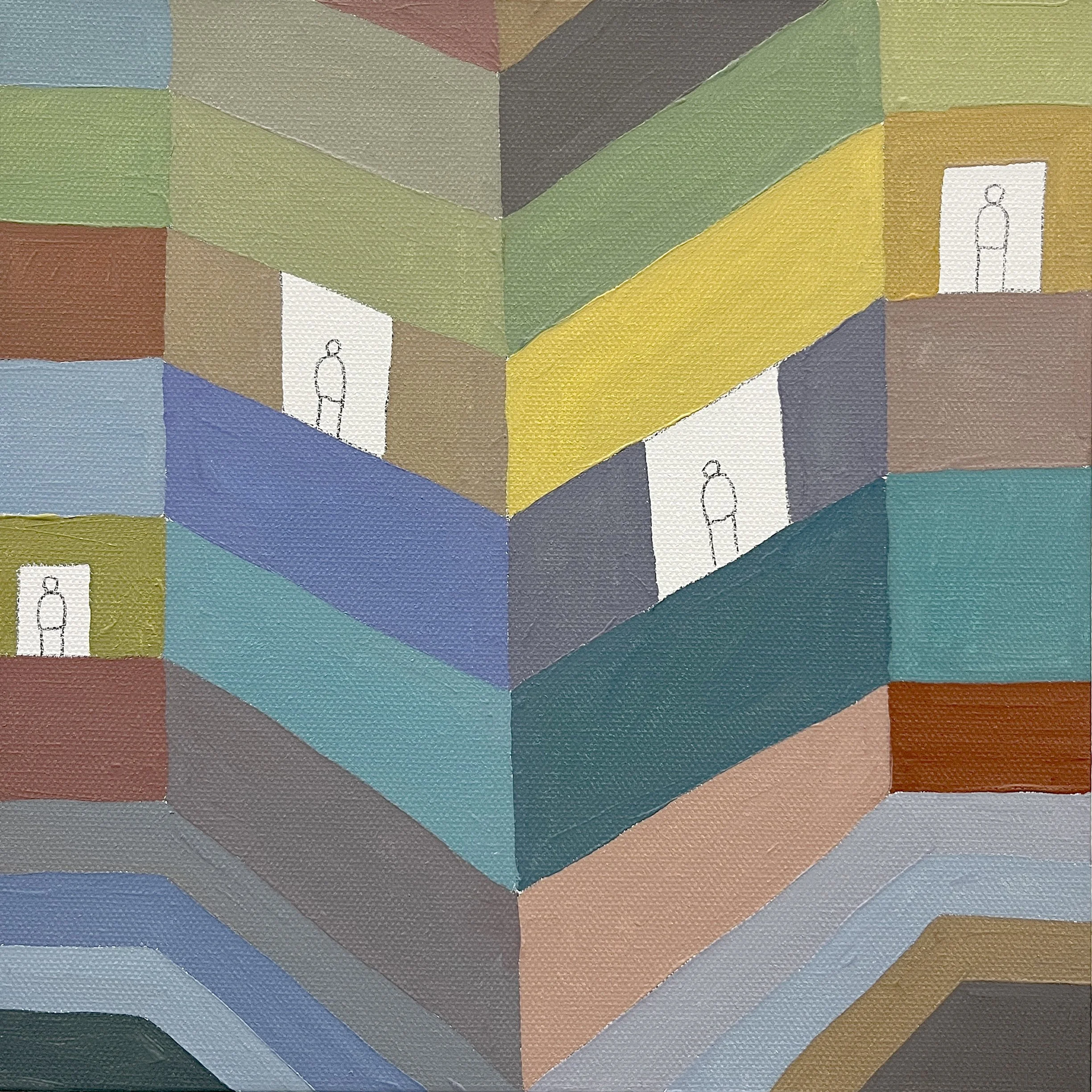
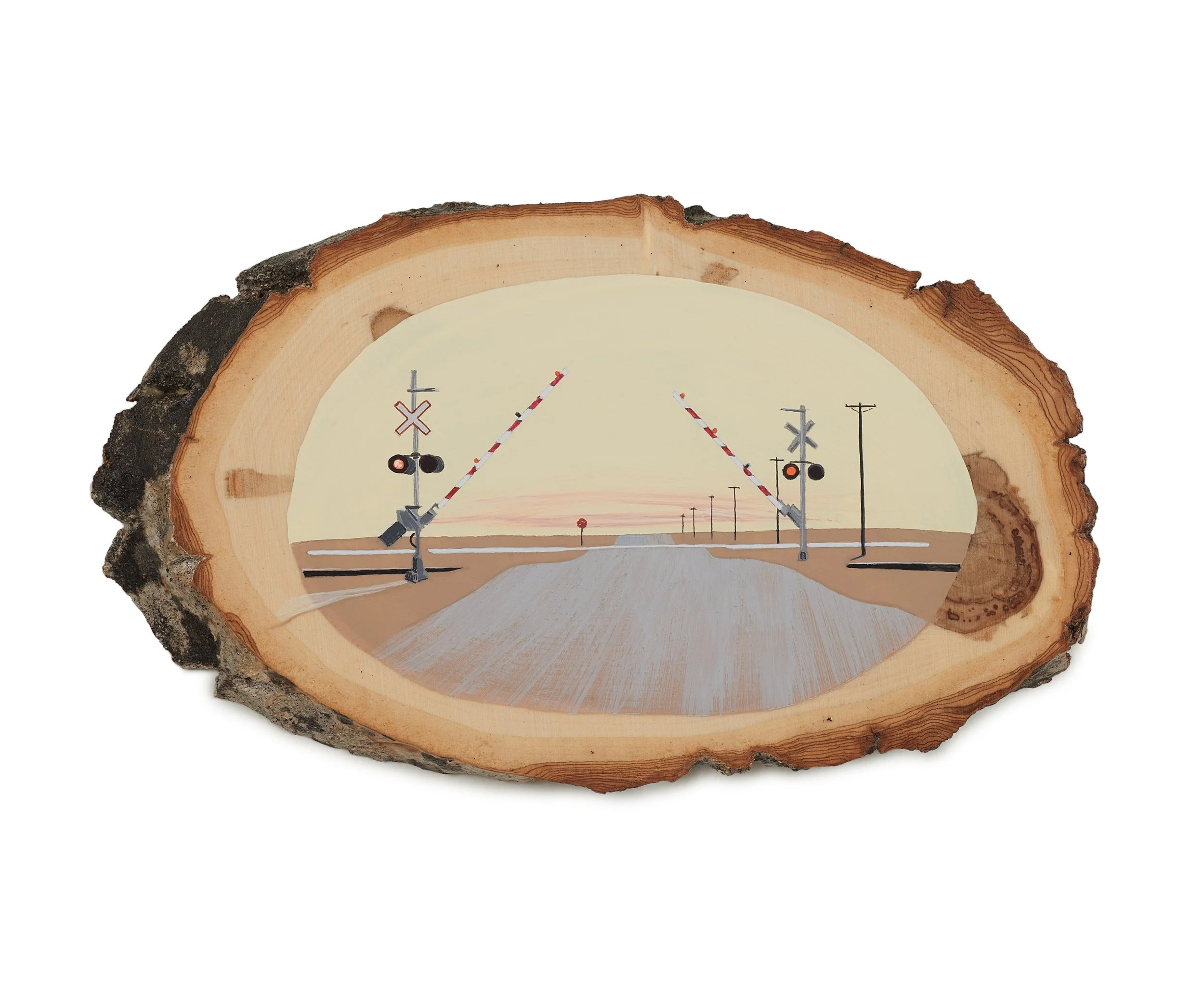
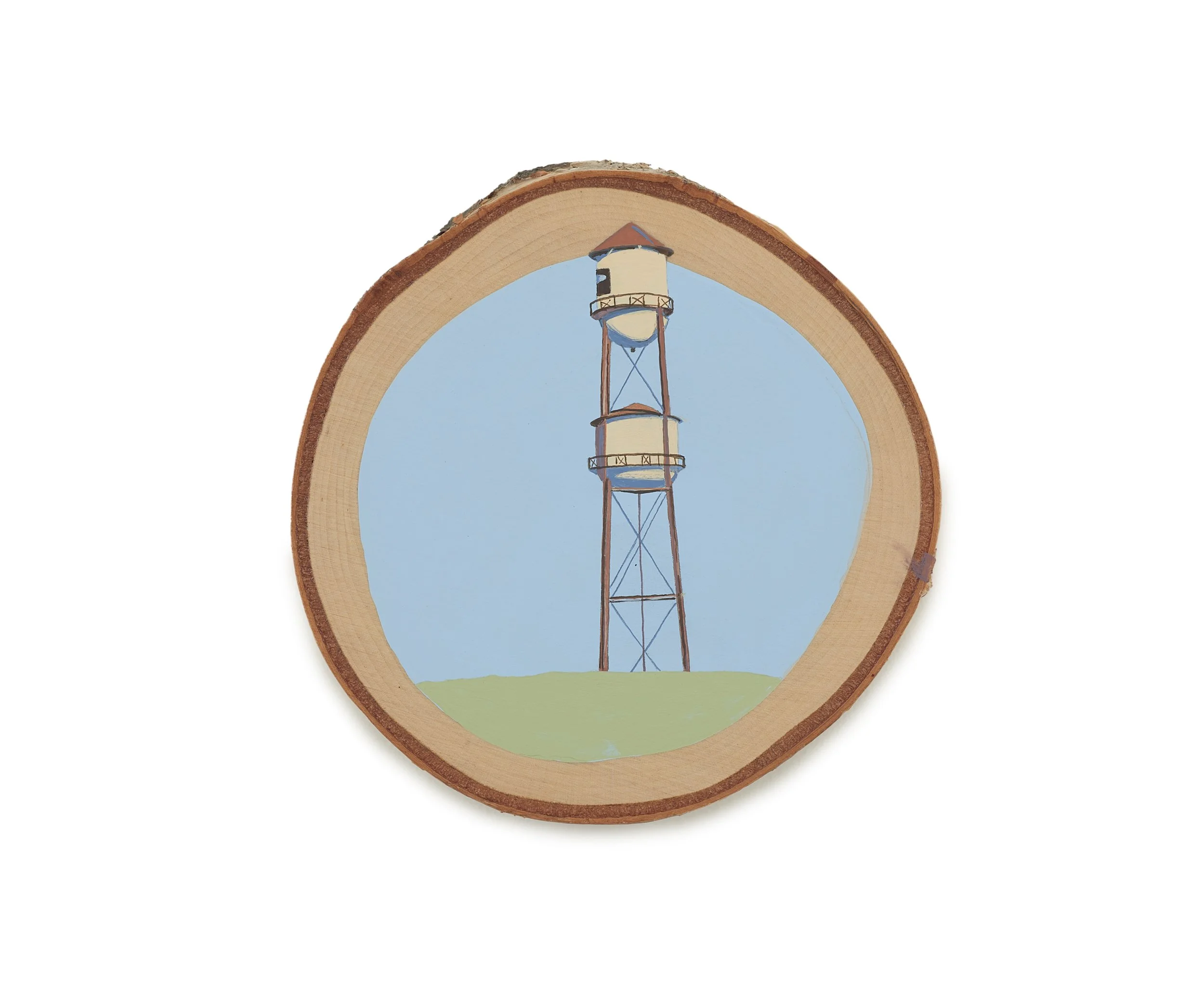
The ambition of ESCAPE is not simply to revisit landscape, seascape, and cityscape as historical genres, but to survey the many ways contemporary artists continue to use these themes as points of departure. Diversity of media, concept, and approach is central to the exhibition. The works on view include painting, photography, collage, sculpture, and video, offering a wide range of perspectives on place, perception, memory, and imagination.
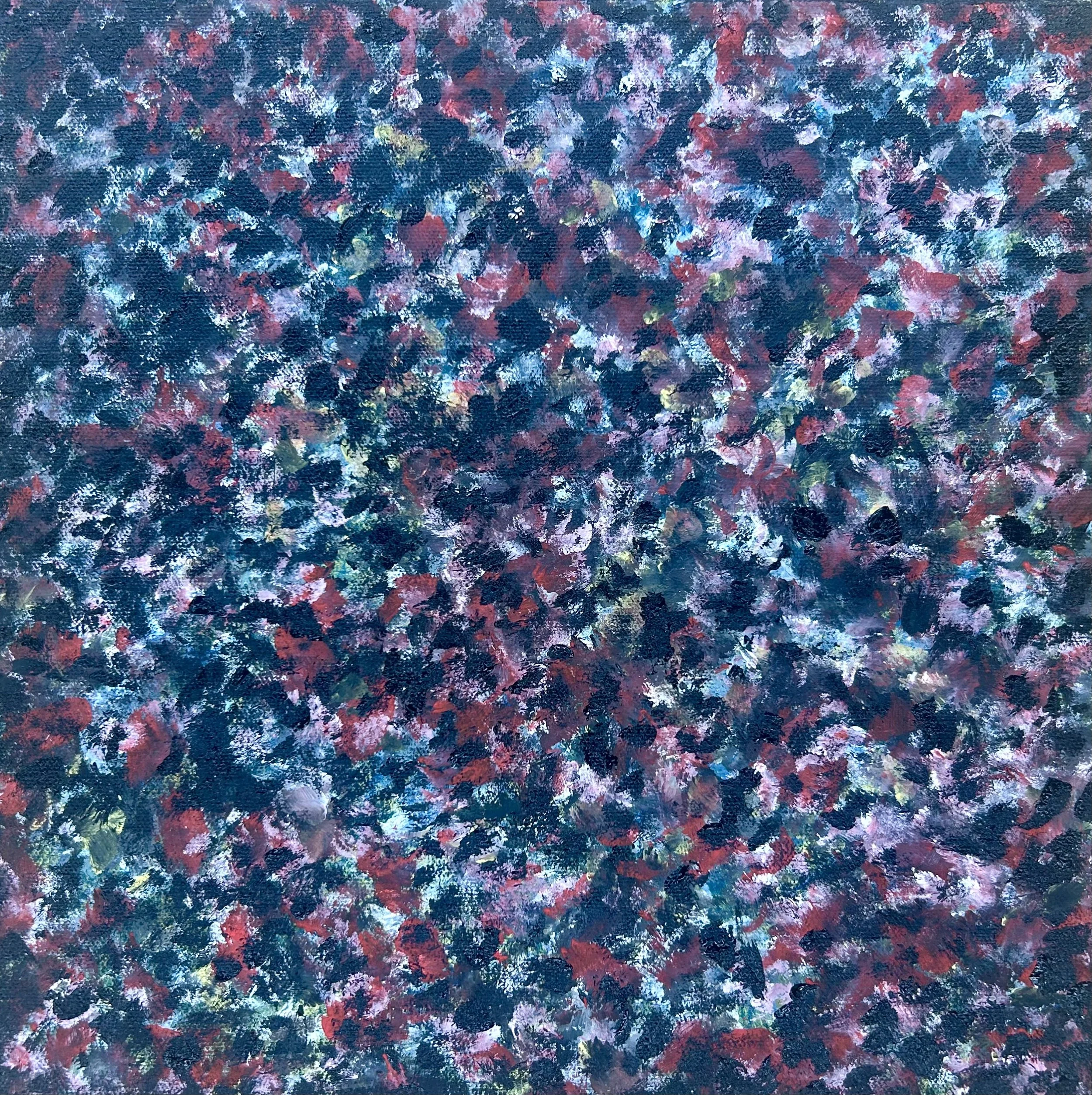
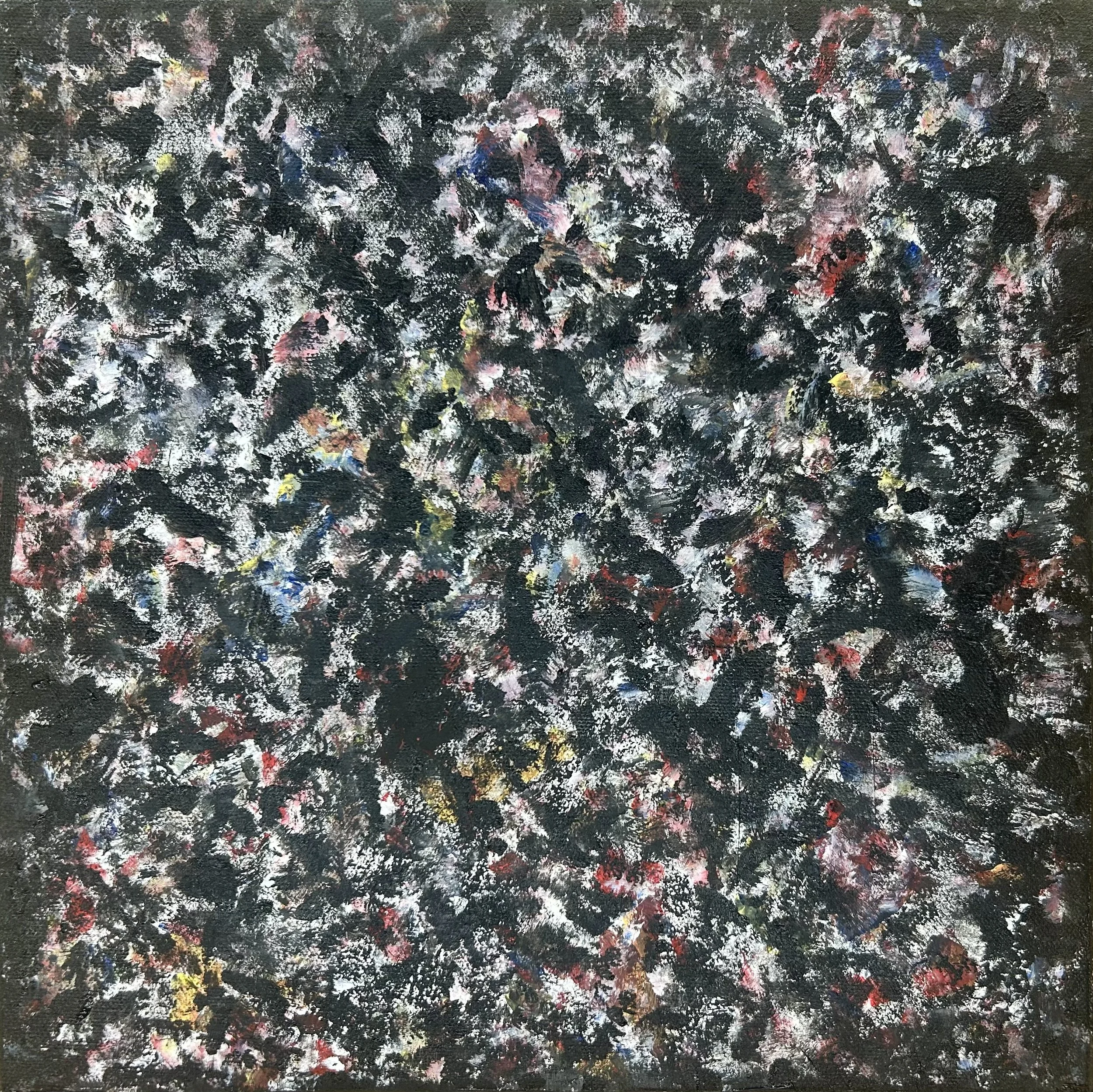
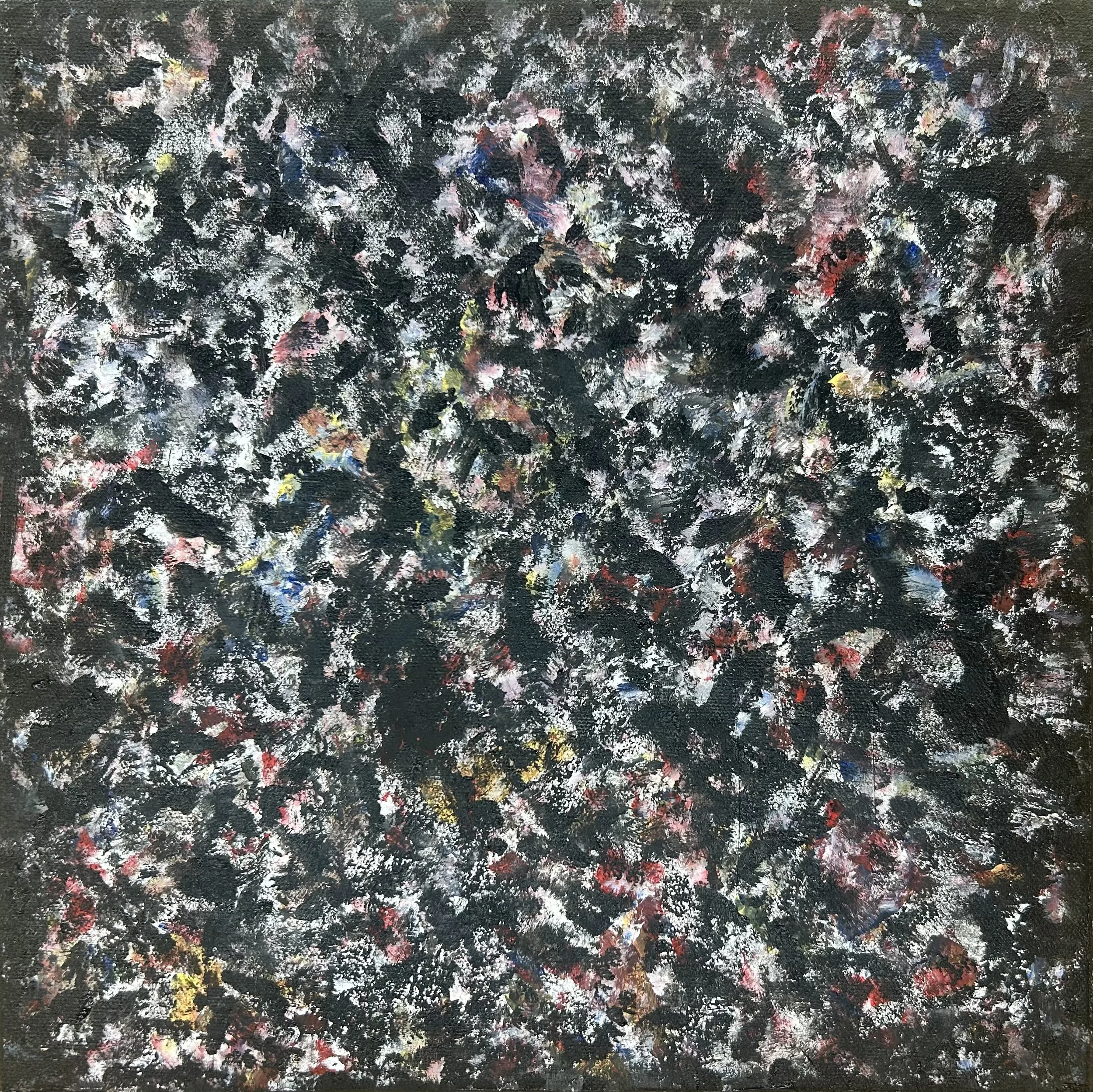
Landscape, seascape, and cityscape serve as the exhibition’s foundation, but ESCAPE also considers abstraction, psychological space, constructed environments, altered realities, and imagined worlds. Across the exhibition, place becomes more than geography. It becomes a portal: a way to move from the visible world into the emotional, conceptual, and interior spaces of the artist.
ESCAPE brings together artists whose works open onto altered perceptions of place. Whether rooted in the natural environment, the sea, the city, memory, abstraction, or invented space, the works invite viewers to step outside the boundaries of the immediate and enter the space of the artist.
These are not simply views of the world. They are ways of escaping into it.