jeremy kidd
Between Observation & Artifice (Internal Landscapes)
February 7 - March 21, 2026
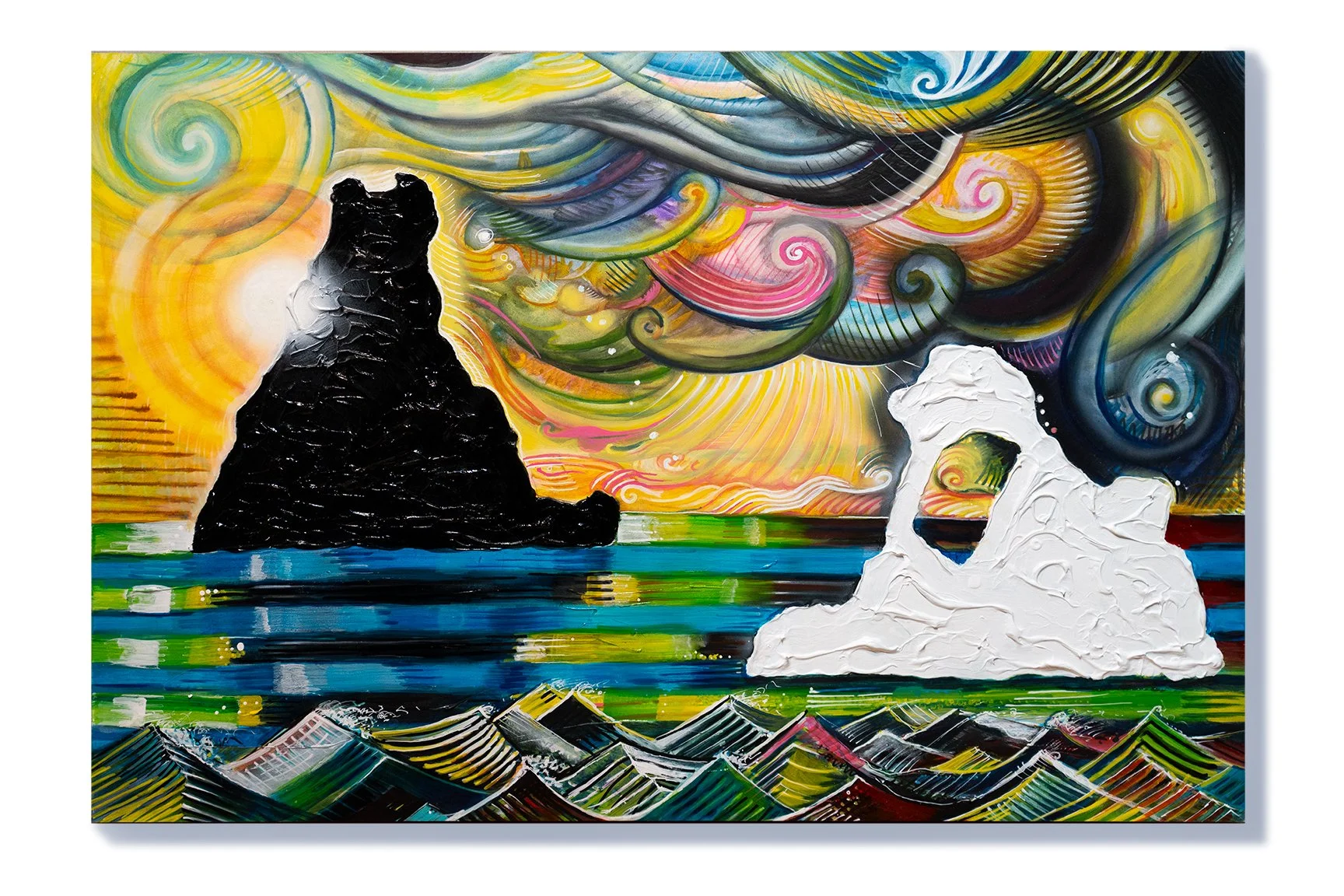
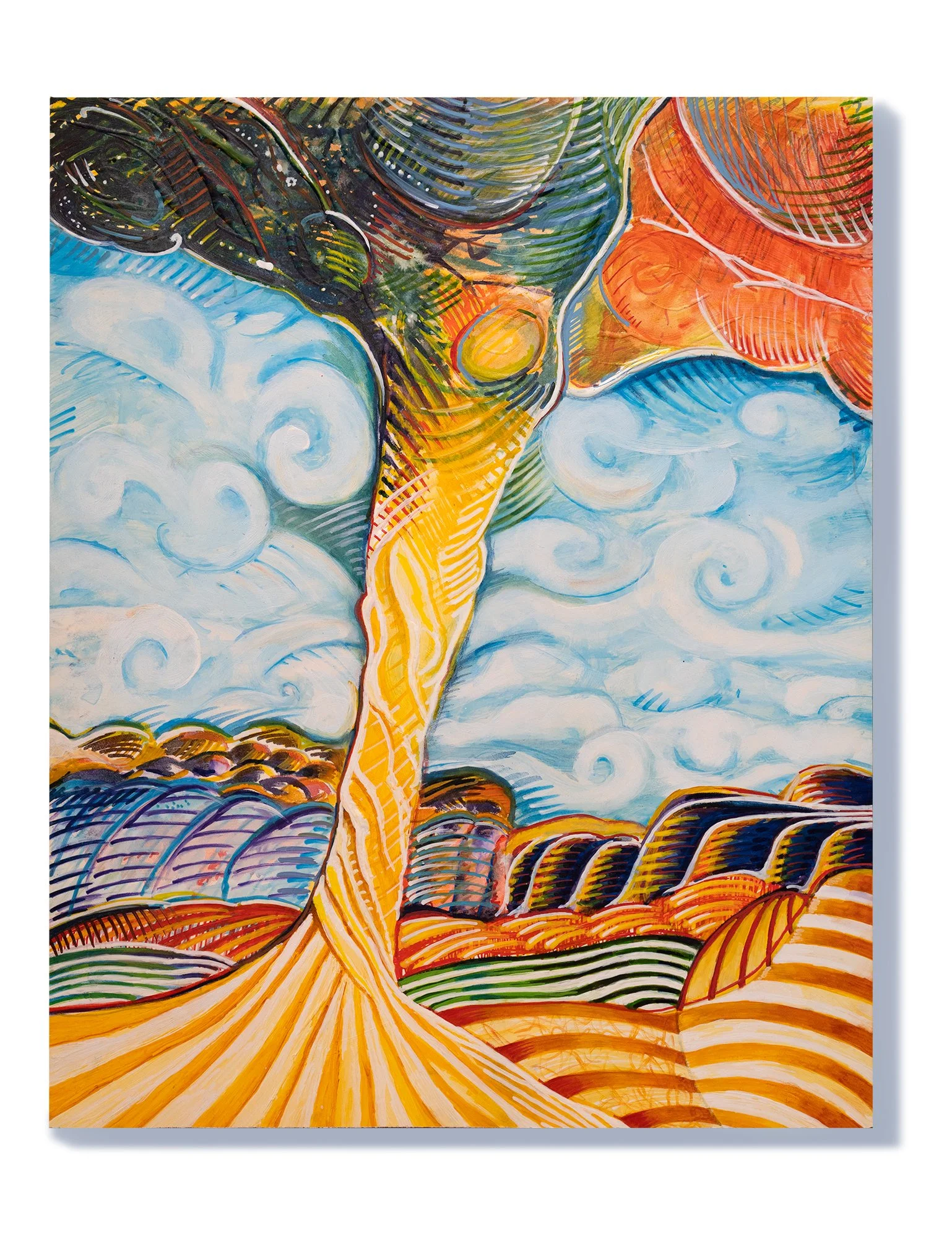
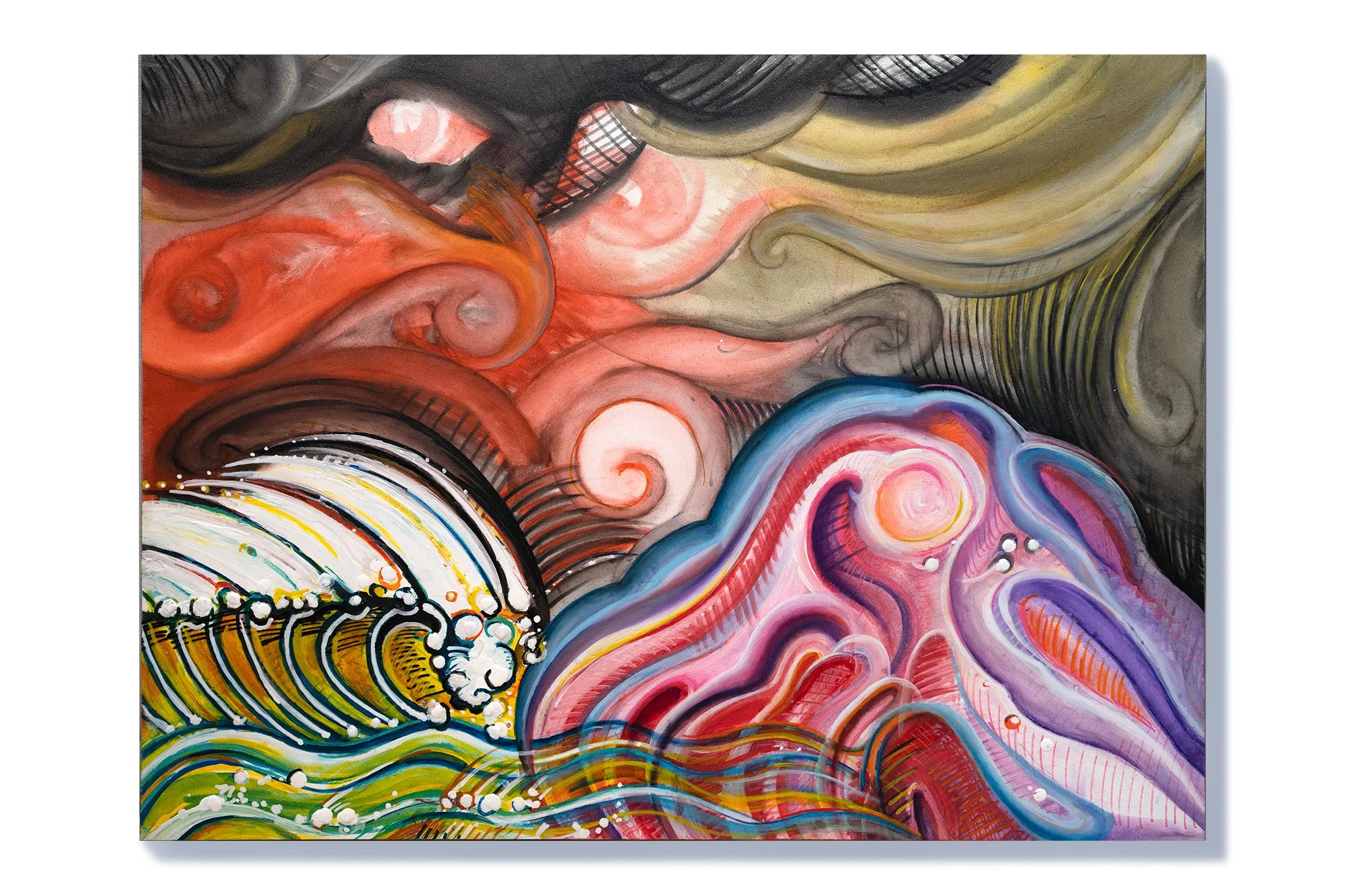
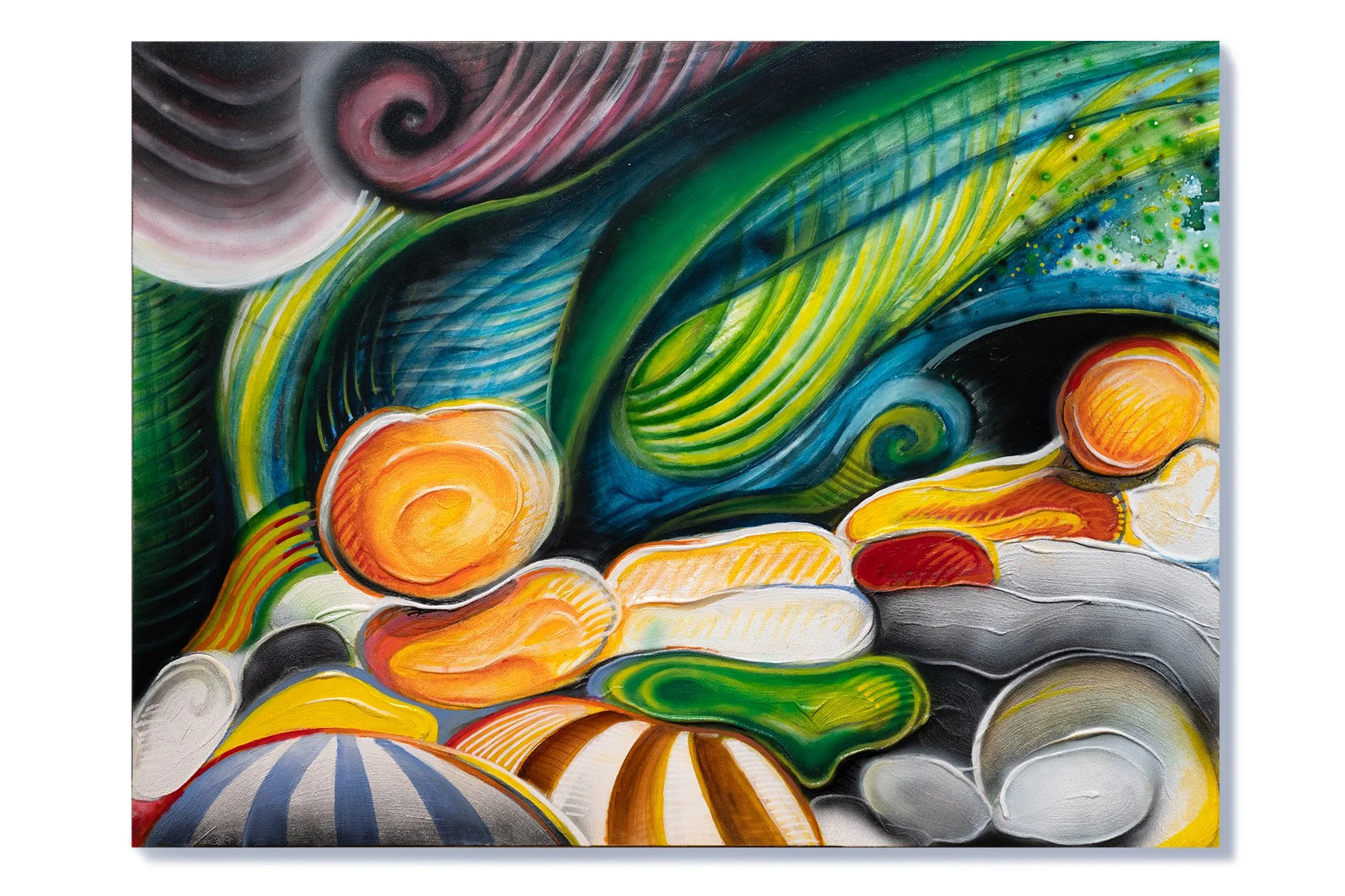
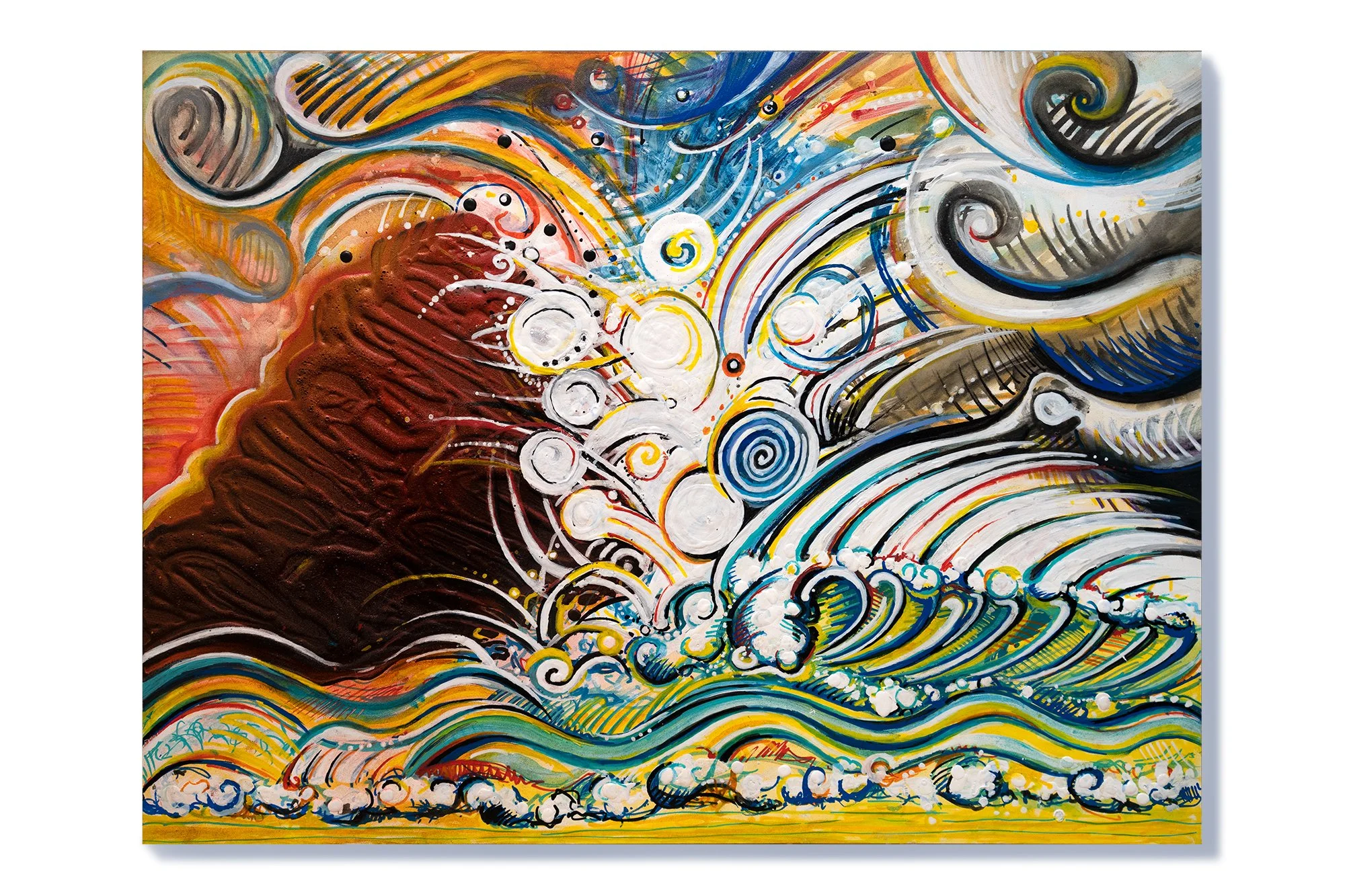
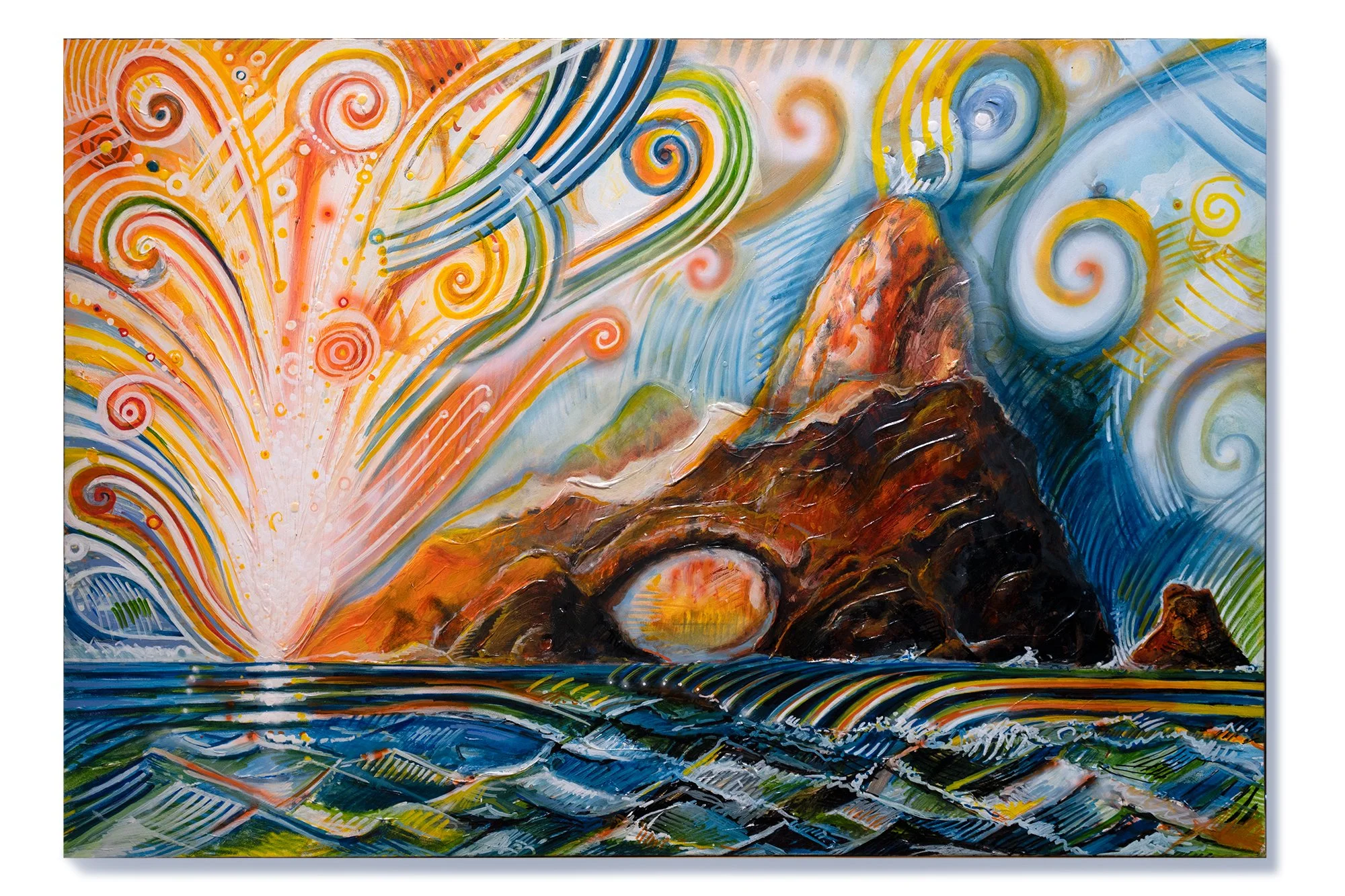
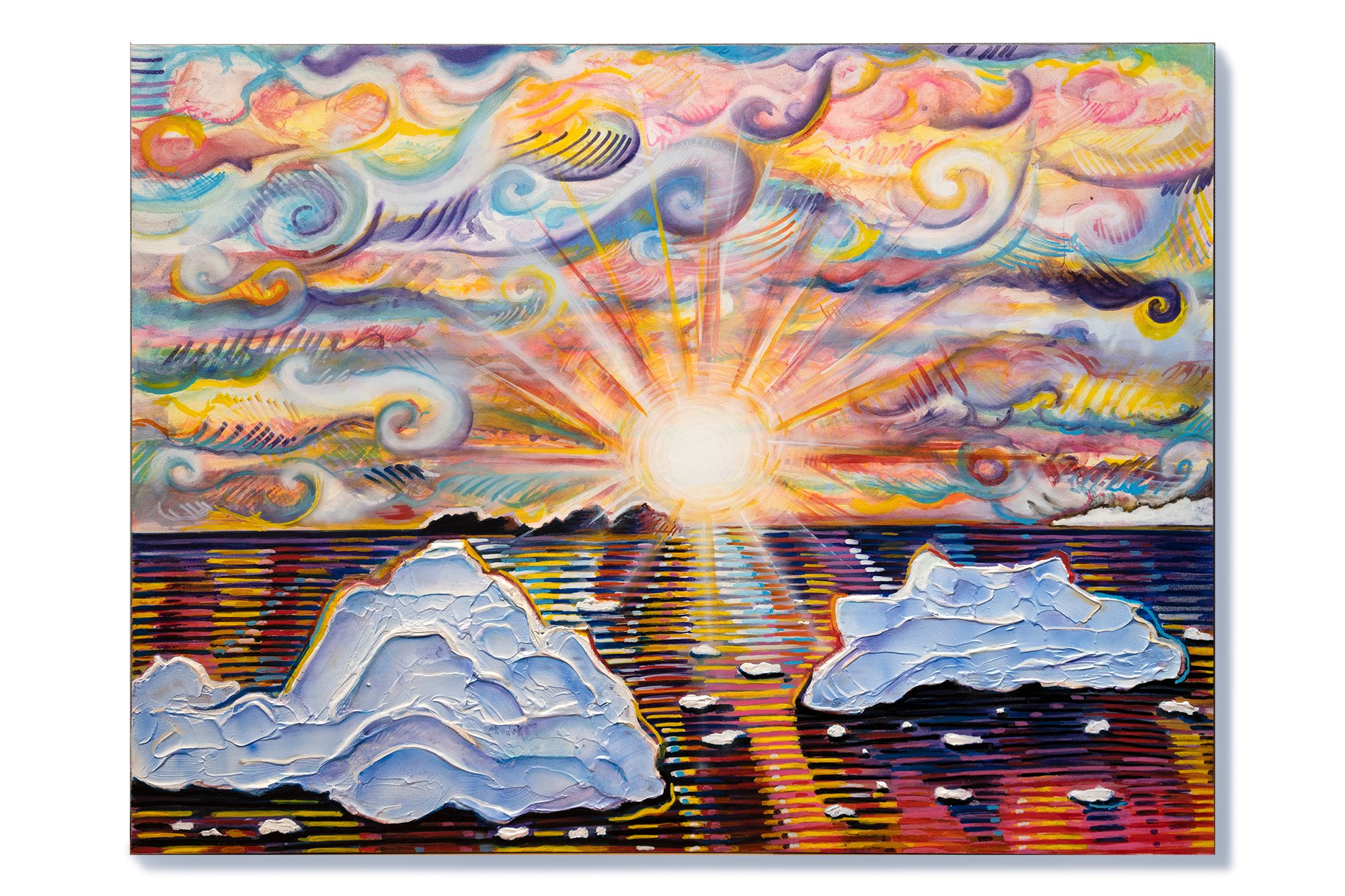
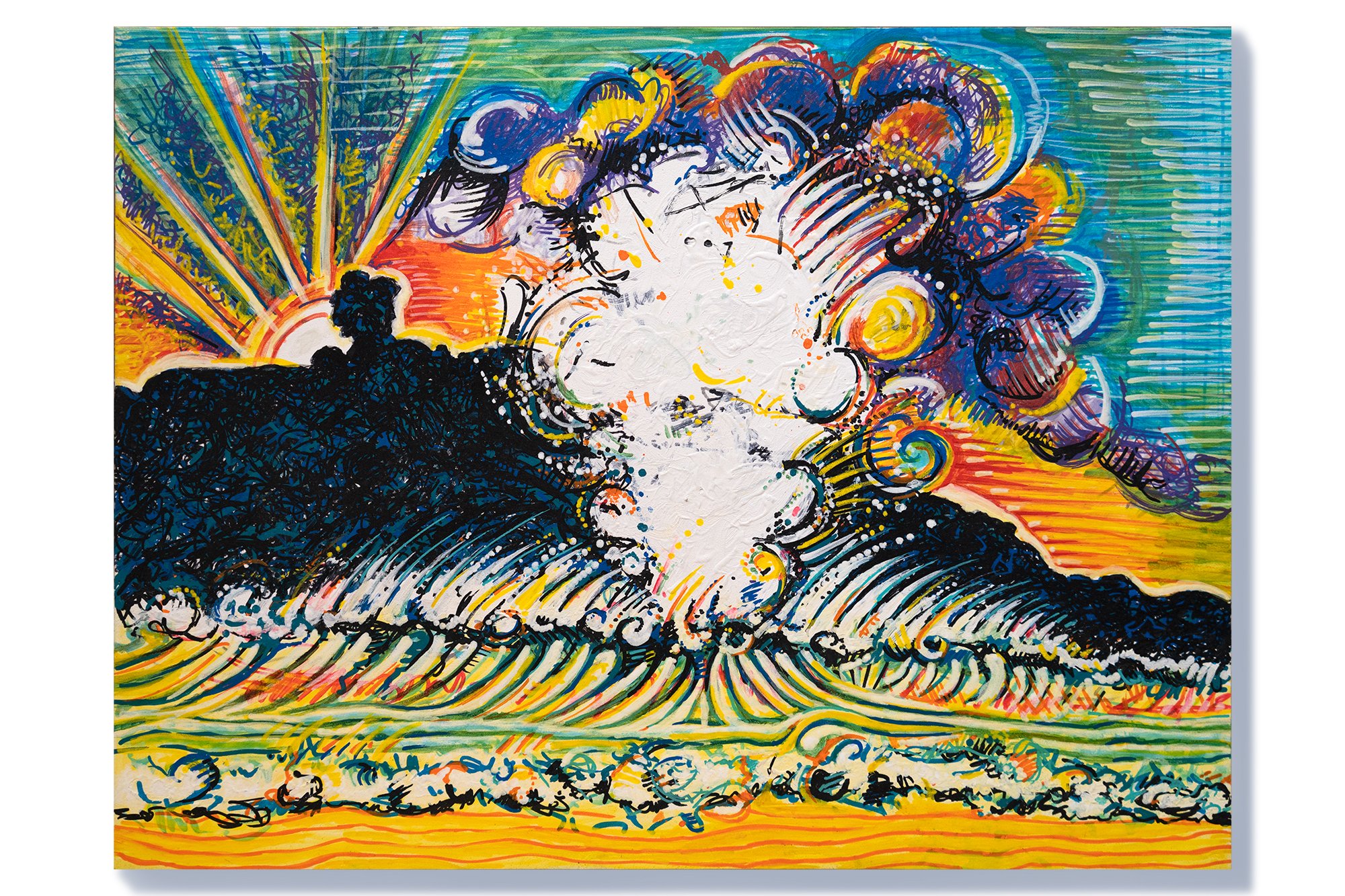
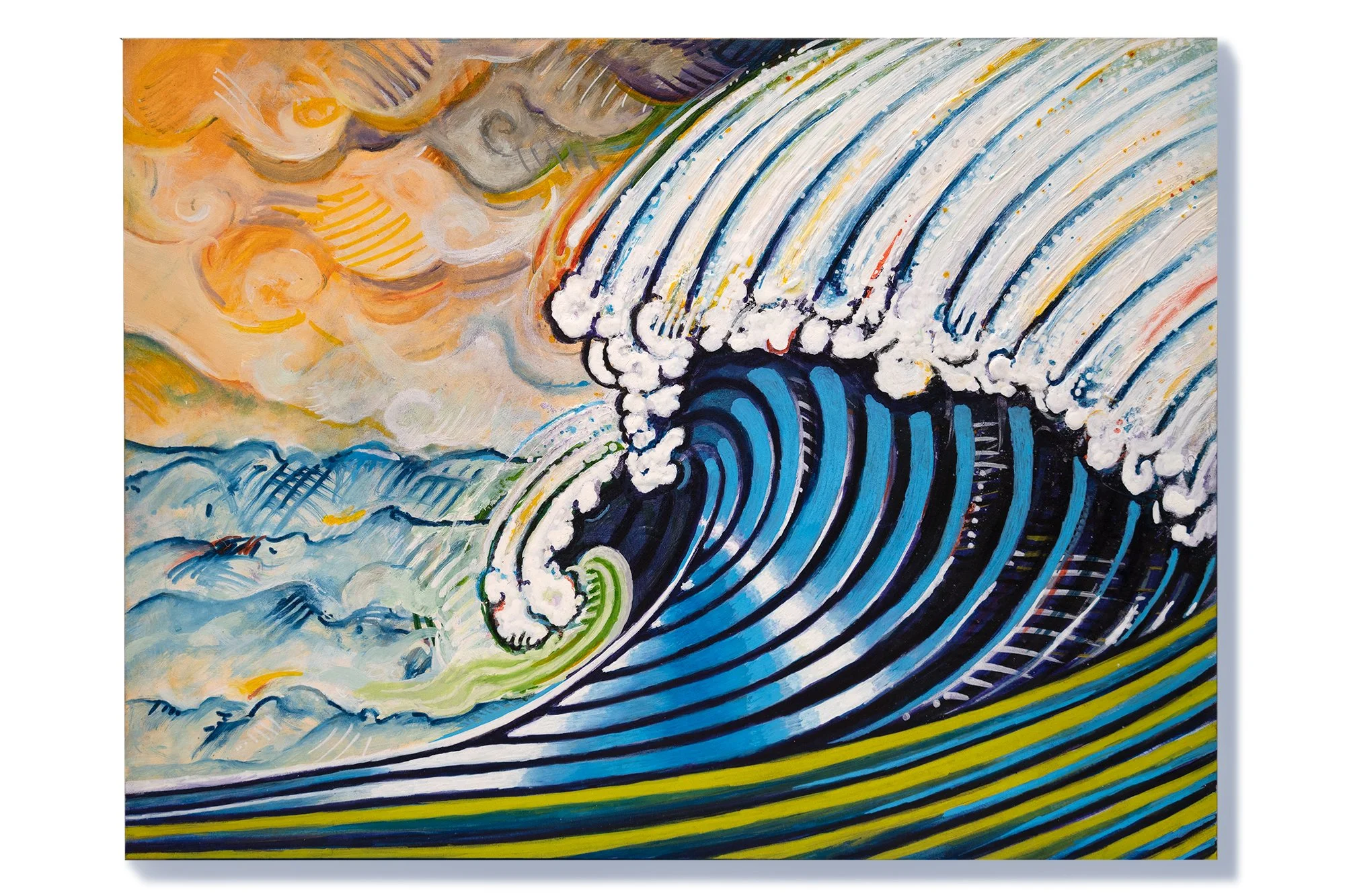
Los Angeles, CA — CMAY Gallery is pleased to present Between Observation & Artifice, the inaugural solo exhibition by Los Angeles–based artist Jeremy Kidd. The exhibition brings together a new body of landscape paintings alongside an animated video work that has emerged from Kidd’s photographic practice, which he has been developing for more than two decades.
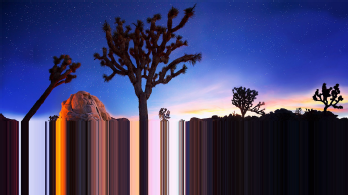
While Kidd’s photographs are not directly represented in the exhibition, they remain foundational to the work on view. His photographic practice has long resisted the notion of the single, decisive image, instead constructing landscapes from multiple photographs taken at different times of day. This process of accumulation and temporal layering informs his paintings, which are similarly built through an assemblage
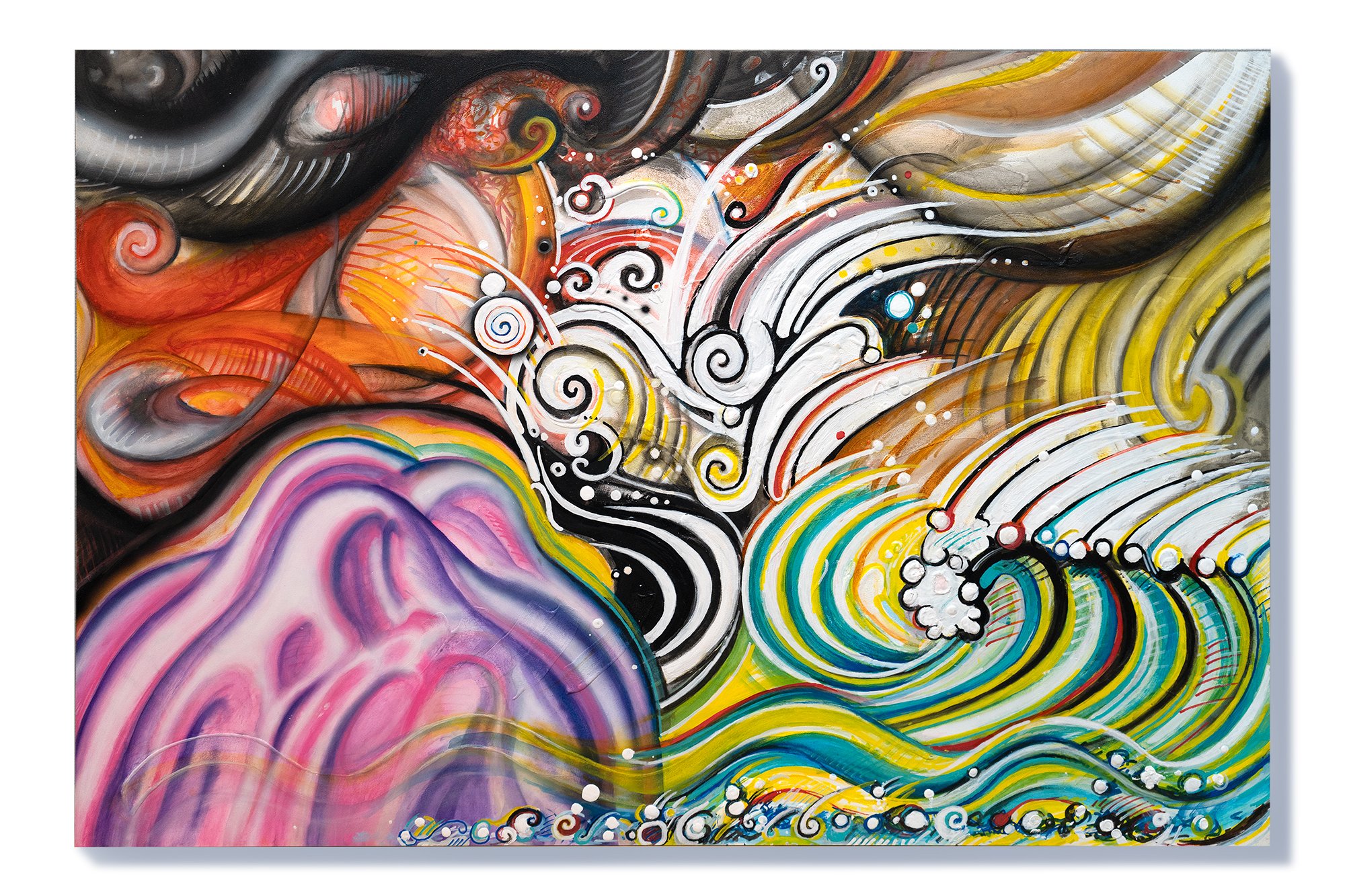
of marks that coalesce into images of quiet sublimity. In these new works, Kidd departs from photography as a literal source, using it instead as a conceptual point of departure. The paintings are driven less by depiction than by sensation, prioritizing atmosphere, light, and elemental force over narrative description.
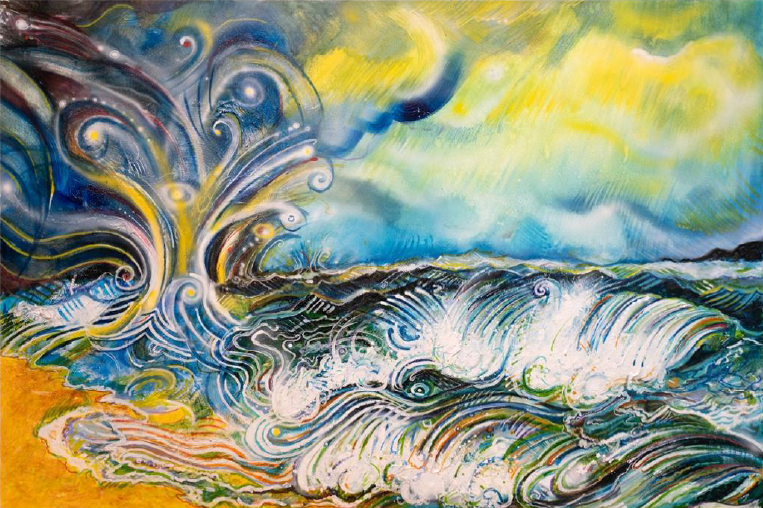
Kidd’s most recent works were inspired by a visit to St. Ives in Cornwall, and more specifically Porthmeor Beach—a place that has served as a lifelong source of elemental inspiration. Reflecting on the experience, Kidd notes: “My senses sharpen, colors intensify, light becomes more vivid, and my perception feels fully alive. I am more engaged.”
He continues: “Here, the raw forces of nature converge—ocean, wind, light, storms, and the powerful currents beneath the surface of the Atlantic. Shafts of light break through heavy clouds as waves crash thunderously; you feel their power surge through your legs and body. Spray whips and cools your face, and you hear the hiss of the receding wave through the sand. Facing west, with the endlessly shifting light of sky and sea, defies explanation—it can only be felt.”
During this visit, Hurricane Erin delivered a momentous swell, with waves reaching nearly twenty feet. “I wanted to surf these waves,” Kidd recalls, “though I knew they were far too big and powerful for me to even consider it.”
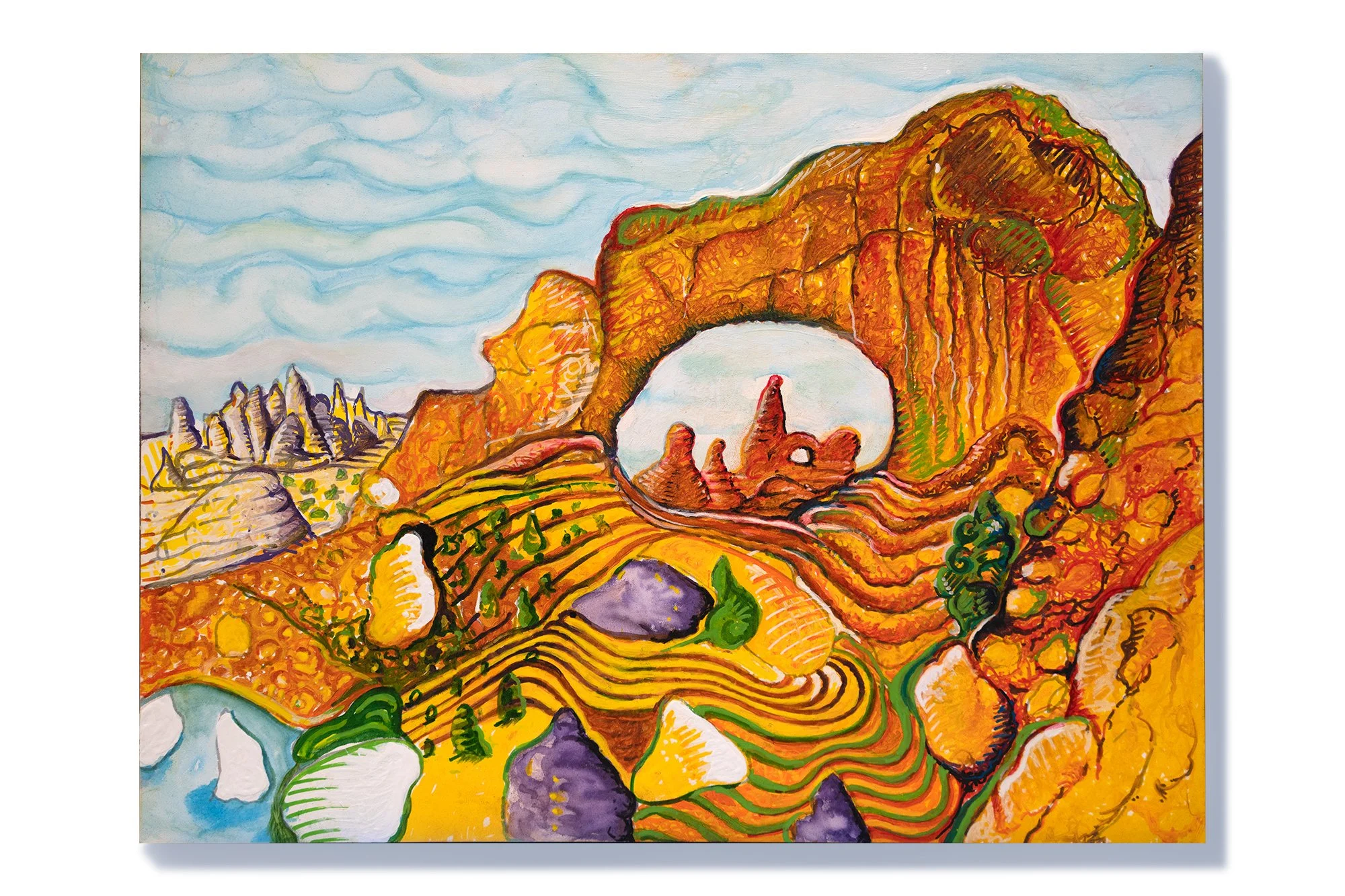
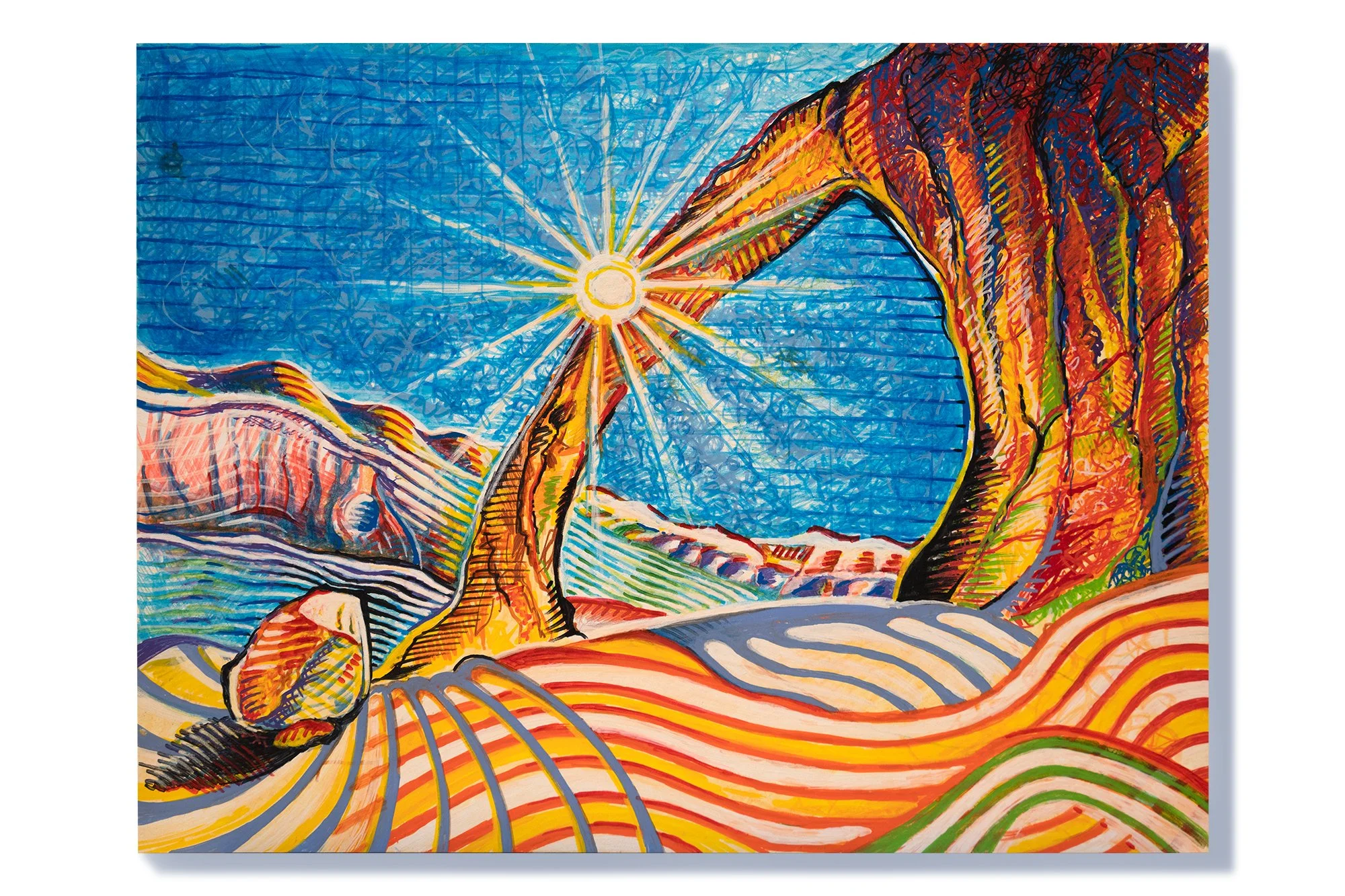
In contrast to this intensity, Kidd also spent time in the quiet, contemplative space of his grandmother’s, Barbara Hepworth, sculpture garden and museum. “There, I felt the resonance of memory alongside a profound meditative calm. It was here that I began my series of Sharpie drawings. They needed to be spontaneous—faster than thought, quicker than my analytical and formal tendencies could intervene. The works had to be immediate, capturing the passion, formal rigor, and inspiration of Barbara Hepworth’s work as it stood before me.”
Color plays a central role in Kidd’s work. “My colors are strong—always strong—reliant on and revolving around optical opposites. I often feel this is not a popular method of expression in England, where color and light are muted by an endless range of grays and browns. To be held in the healing, amniotic fluid of our planet—the ocean—this is the place I love.” These drawings would later evolve into the paintings presented in the exhibition.
As Kidd explains: “My interests lie in the elemental rather than the narrative—pathos over ethos. By elemental, I mean the forces that underlie and permeate the natural world. I’m looking to paint what a place feels like as much as what it might look like.
Painting is a continual negotiation between seeing and sensing, between the physical elements before me and my emotive response to them. It is within this nexus that mystery emerges.”
For Kidd, painting becomes a site of encounter—where perception and emotion converge, and where the material act of painting opens onto something less tangible. The landscapes operate not as representations of specific places, but as conduits for experience, inviting viewers into a space where the familiar gives way to the ineffable and the natural world is felt as much as it is seen.
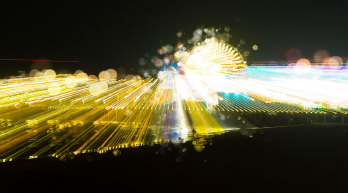
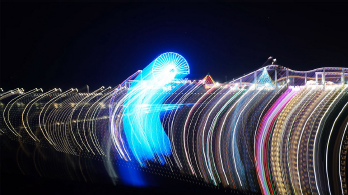
Jeremy Kidd was born in 1962 in England and received his BA in Fine Art from De Montfort University in Leicester. He is widely recognized as the creator of day-through-night photography, combining up to 100 long-exposure photographs into a single image that condenses a week of time into one cohesive landscape. These grand-scale photomontages explore movement, duration, and transcendence in both urban and natural environments. More recently, Kidd has begun animating these works and assembling them into dystopic visual narratives, often accompanied by his own transcendental electronic compositions.
Kidd is one of the younger members of the four generations of artists in the Nicholson family and is the grandson of British modernist sculptor Barbara Hepworth (1903–1975) and abstract artist Ben Nicholson (1894–1982). In the mid-1980s, he moved to the United States, traveling across the country in a van for a year—an experience that profoundly shaped his understanding of the monumentality of the American landscape. He eventually settled in Los Angeles, where he has taught at the California Institute of the Arts and Otis College of Art and Design, and maintains a studio in Venice.